The Expat Guide to Moving to Poland from a Non-EU Country (2027)
Moving to a brand new country is a monumental undertaking, but when you're coming from outside the European Union to a place like Poland, it can feel like trying to navigate a labyrinth blindfolded. The sheer volume of paperwork, the often-confusing administrative processes, and the waiting times can be incredibly daunting, leading to moments where you might question if it’s all worth it. This guide is here to unravel that complexity, offering a step-by-step roadmap for non-EU citizens looking to make Poland their new home, covering everything from visas to cultural integration.
Understanding the Landscape: Why Poland, and What's Different for Non-EU Citizens?
Poland has transformed dramatically over the past few decades, blossoming into a vibrant, economically dynamic country that offers a high quality of life at a comparatively lower cost than many Western European nations. For many non-EU citizens, it presents a unique blend of opportunity and cultural richness, but it's crucial to understand that the path here isn't quite the same as it is for our EU neighbours.
The Allure of Poland for Non-EU Expats
When I first considered Poland, I was drawn in by the promise of its growing economy and the surprisingly affordable cost of living. It seemed like a place where my salary would go further, and I wouldn't have to choose between a decent apartment and having a social life. And for the most part, that has proven true. Major cities like Warsaw, Krakow, and Wroclaw are bustling with life, offering a fantastic array of cultural events, delicious food, and a booming tech sector that's constantly on the lookout for skilled professionals. The job market, particularly in IT and business services, is incredibly strong, creating numerous career opportunities for those with the right skills and a willingness to adapt.
Beyond the economics, there's a deep historical and cultural tapestry here that's truly captivating. From the medieval charm of Krakow's Old Town to the reconstructed grandeur of Warsaw, Poland has a story to tell around every corner. Expats often find themselves charmed by the friendly, resilient nature of the Polish people, once you get past the initial language barrier, and the sense of community that quickly forms among fellow foreigners. Plus, its central location in Europe makes it an ideal base for exploring the continent.
Navigating the Non-EU Maze: Key Differences
Now, let's get down to the nitty-gritty: if you're coming from a non-EU country, your journey to Poland is fundamentally different from someone arriving from, say, Germany or France. While EU citizens enjoy the freedom of movement and can essentially pack up and move to Poland without much administrative fuss, you, my friend, will be dealing with a multi-stage process involving visas, work permits, and residence cards.
The biggest difference is the necessity of a visa for long-term stays, followed by a temporary residence permit (Karta Pobytu) to formalise your legal residency. Unlike EU citizens who simply register their presence, you’ll need to prove your purpose for being here (work, study, family reunification, etc.) right from the get-go, and then constantly maintain that legal basis. This means more paperwork, more waiting, and a far more intricate dance with the Polish bureaucracy. You won't be able to just arrive, find a job, and then sort out your papers; the work permit or another clear purpose often needs to be in place before you can even apply for your visa to enter the country. It’s a bit of a chicken-and-egg situation at times, and definitely requires careful planning.
The Visa and Entry Process: Getting Your Foot in the Door
Before you can even dream of sipping a piwo by the Vistula, you need to secure the right to enter and stay in Poland. This all begins with your visa application back in your home country. Trust me, getting this part right saves a lot of headaches later.
Types of Visas for Long-Term Stay
For most non-EU citizens planning to live and work in Poland, you'll be looking at a National (Type D) visa. This isn't your average tourist visa; it's specifically designed for stays longer than 90 days and up to a year, and it's issued for a very specific purpose. The most common reasons for a National visa are:
- Work: If you have a job offer and your employer has initiated the work permit process for you, this is your route. The visa will be tied to your employment.
- Study: If you've been accepted into a Polish university or educational institution, you'll apply for a student visa.
- Family Reunification: If your spouse or a direct family member is already a legal resident of Poland, you can apply to join them.
- Other specific purposes: This could include scientific research, entrepreneurial activities, or other long-term projects.
It's crucial that your visa explicitly states your purpose of stay, as this will lay the groundwork for your subsequent residence permit application once you arrive. Don't try to sneak in on a tourist visa with the intention of staying; it simply won't work and will only complicate matters. For a broader look at the options, you might want to check out The Complete Visa Guide for Relocating to Poland (2027).
Applying for Your Visa from Abroad
The visa application process usually takes place at the Polish consulate or embassy in your country of residence. This isn't a walk in the park; it demands meticulous attention to detail and a healthy dose of patience. You'll need to fill out application forms, often online, and then schedule an appointment for an in-person submission.
What to expect in terms of documents: Typically, you'll need your passport (valid for at least three months beyond your intended stay), a completed visa application form, passport-sized photos, travel medical insurance (often with specific coverage amounts for the Schengen area), proof of sufficient funds, and crucially, documents supporting your purpose of stay. For a work visa, this means your work permit or a declaration of intent to employ from your Polish employer. For a student visa, it's your acceptance letter. Always double-check the specific requirements on your local consulate's website, as these can vary slightly. They are often sticklers for precise documentation, so don't skip any details. Missing even one tiny piece of paper can lead to rejection or significant delays, which is frustrating when you're on a tight schedule.
During your appointment, you might also be interviewed by a consular officer. They'll want to verify the information you've provided and ensure your intentions for staying in Poland are legitimate. Be prepared to clearly and concisely explain your reasons for moving, your employment or study plans, and how you intend to support yourself financially. Once submitted, processing times can vary widely, from a couple of weeks to a few months, depending on the consulate and the time of year. So, apply well in advance of your planned move date!
Securing Your Stay: Temporary Residence Permit (Karta Pobytu)
Once you've successfully navigated the visa process and arrived in Poland, the next, and arguably most critical, step is to secure your temporary residence permit, known as the Karta Pobytu. This is your official ID card as a resident and proof of your legal right to be here long-term.
The Purpose of the Karta Pobytu
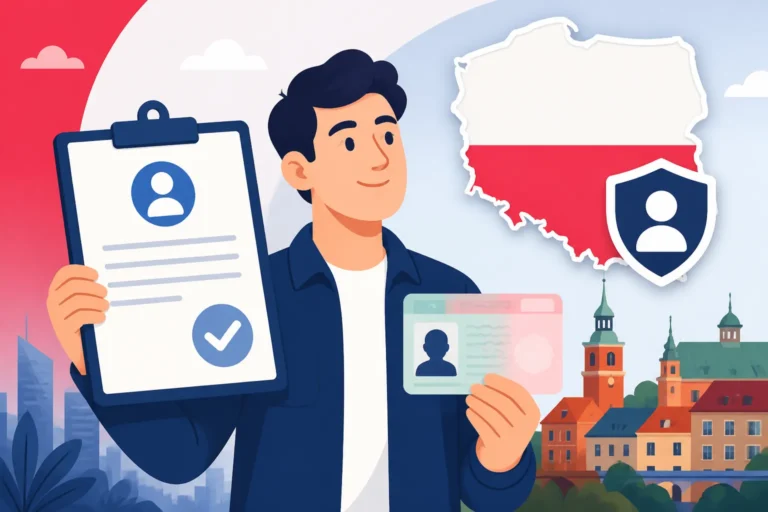
Think of the Karta Pobytu as your Polish identity card for foreigners. It’s a plastic card, complete with your photo, fingerprints, and personal data, that confirms your legal stay in Poland for a specified period. While your National (Type D) visa allows you to enter Poland and stay for its validity period (usually up to a year), the Karta Pobytu is what allows you to live and work here on a more permanent basis, often issued for 1 to 3 years at a time, and it allows you to travel freely within the Schengen Area without needing an additional visa. It essentially upgrades your status from a long-term visitor to a temporary resident.
This card is essential for almost every aspect of life in Poland. Without it (or without the underlying visa that allows you to apply for it), you can't really do much beyond temporary tasks. It’s what you’ll show when opening a bank account, signing a long-term rental agreement, or accessing certain public services. It’s the official documentation that proves you are a legal, registered resident. It’s important to understand that having a visa doesn't mean you automatically get a Karta Pobytu; you still need to apply for it separately once you're in Poland. For a full understanding of residence options, check out The Complete Guide to Polish Residence Permits for Expats (2027).
Common Grounds for Obtaining a Karta Pobytu
The grounds for obtaining a Karta Pobytu generally mirror the reasons for your initial National visa, but they require even more detailed documentation and proof.
- Work (Single Permit): This is the most common route for many non-EU expats. If you've got a job offer from a Polish employer, you'll typically apply for a "Jednolite Zezwolenie na Pobyt Czasowy i Pracę" – which translates to a "Single Permit for Temporary Residence and Work." This streamlines the process by combining your work permit and residence permit into one application. Your employer usually plays a significant role in this, providing the necessary documentation. We’ll delve more into this later, but essentially, it means you can legally work and reside based on your employment.
- Study: If you're enrolled in a full-time university program, you can apply for a Karta Pobytu based on your student status. You'll need your acceptance letter, proof of tuition payment, and evidence of sufficient funds to support yourself without working (unless your student visa allows limited work). For students, it is vital to keep all university documents in order. More details can be found in Understanding Residence Permits for Students in Poland.
- Family Reunification: If you're joining a spouse or other close family member who is already a legal resident of Poland (either Polish citizen or a long-term resident), you can apply for family reunification. This requires proof of your relationship, the sponsor's legal status and income, and suitable accommodation.
- Business Activities: For those looking to set up their own business, such as a one-person business (Jednoosobowa Działalność Gospodarcza, or JDG), the path can be a bit more complex. You'll need to demonstrate a viable business plan and sufficient funds, proving that your venture genuinely contributes to the Polish economy and will sustain you. This is an option, but it usually requires careful planning and often legal assistance to ensure all requirements are met. You can read more about it in Understanding Residence for Self-Employment (JDG) in Poland.
Regardless of your reason, the underlying principle is that you must have a clear, justifiable, and well-documented purpose for your long-term stay in Poland. For an in-depth look at this entire process, don't miss How to Get a Temporary Residence Permit (Karta Pobytu) in Poland (2027).
The Application Process: A Marathon, Not a Sprint
Applying for your Karta Pobytu is not for the faint of heart. It’s a lengthy process handled by the Urząd Wojewódzki (Voivodeship Office) in the region where you intend to reside. I remember the sheer panic of gathering all the documents, translating them, and then realizing I needed yet another obscure stamp.
Here’s a general overview of what you can expect:
- Gather Documents: This is the big one. You’ll need a stack of documents: passport copies, visa copies, proof of address (rental agreement), employment contract (if applicable), proof of income, health insurance, bank statements, photographs, and sometimes even a certificate of no criminal record. Many documents will need to be officially translated into Polish by a sworn translator (tłumacz przysięgły).
- Submit the Application: You typically submit your application (often called "Wniosek o udzielenie zezwolenia na pobyt czasowy") in person at the Urząd Wojewódzki. Appointments can be notoriously difficult to get, especially in larger cities like Warsaw or Krakow. Many offices have an online booking system, but slots disappear quickly. Be prepared to wake up early to snag a spot or dedicate some serious time to refreshing the page. Some offices allow you to submit by post, but in-person is often preferred to ensure everything is correct from the start. For tips on navigating appointments, check out How to Book an Appointment at the Urząd Wojewódzki for Immigration.
- Fingerprinting (Biometrics): During your submission, or at a separate appointment, you'll have your fingerprints taken. This is a standard security measure for the biometric Karta Pobytu.
- Waiting Period: This is where your patience will be truly tested. Processing times can range from a few months to well over a year, depending on the workload of your specific Urząd Wojewódzki. During this time, you might receive letters asking for additional documents or clarifications. Don’t panic, but respond promptly. Make sure to keep copies of everything you submit. While your application is pending, your stay in Poland is considered legal, even if your initial visa expires. You'll typically get a stamp in your passport confirming the ongoing application, which is crucial.
- The Decision and Card Collection: Once a decision is made (hopefully positive!), you’ll receive a letter. If approved, you’ll be invited to collect your physical Karta Pobytu. There’s usually a small fee for the card itself.
Be prepared for the bureaucracy. It's often slow, sometimes confusing, and always requires diligence. Keep copies of absolutely everything, get everything translated properly, and never be afraid to ask for clarification, even if it means trying a few different people at the office.
Work and Income: Earning Your Keep in Poland
For many non-EU citizens, the move to Poland is driven by job opportunities. Understanding the specific requirements for working legally is paramount, as getting this wrong can lead to significant problems.
Understanding Work Permits (Zezwolenie na Pracę)
Before you can even apply for a work-based visa or residence permit, most non-EU citizens need a valid work permit, known as a Zezwolenie na Pracę. This permit is issued to your employer for you, allowing them to hire a foreign national for a specific position. It's not something you generally apply for yourself in isolation; your employer initiates this process. There are several types of work permits (A, B, C, D, E), but for most common employment, you'll encounter Type A, which is for those employed based on an employment contract or a civil law contract by an employer with a registered office in Poland.
A crucial aspect of obtaining a work permit is often the labour market test (test rynku pracy). This is a requirement where your prospective employer must demonstrate that there are no Polish or EU citizens qualified and available for the position you're being hired for. They do this by advertising the job vacancy, usually through the local Labour Office (Powiatowy Urząd Pracy), for a specified period. If no suitable candidates are found, they can proceed with your work permit application. This step can add several weeks to the overall process, but it's often waived for certain in-demand professions (like IT specialists) or under specific circumstances. For a thorough breakdown of these permits, refer to The Complete Guide to Polish Work Permits for Foreign Workers (2027).
The Single Permit (Jednolite Zezwolenie)
To simplify the process for foreign workers, Poland introduced the "Single Permit" (Jednolite Zezwolenie na Pobyt Czasowy i Pracę), which combines the work permit and temporary residence permit into a single application. This means you submit one set of documents to the Urząd Wojewódzki, and if approved, you receive permission to both reside and work in Poland. This is usually the most straightforward path for those moving to Poland for employment.
The benefit of the Single Permit is that it cuts down on redundant paperwork and potentially streamlines the process. Instead of applying for a work permit first, then a visa, then a residence permit, it's all handled under one umbrella. However, this doesn't mean it's faster. The Urząd Wojewódzki still has to process all the underlying requirements for both work and residence, including the labour market test (if applicable). The application is still extensive, requiring full documentation from both you and your employer. While it sounds efficient, the reality is that the processing times are still largely dictated by the specific office's workload. Nevertheless, it's the intended route for most non-EU employment-based stays. You can find more details in Understanding the Single Permit (Jednolite Zezwolenie) in Poland.
Self-Employment (JDG) as a Non-EU Citizen
For the entrepreneurial spirits among us, Poland offers the option of self-employment, most commonly through a Jednoosobowa Działalność Gospodarcza (JDG), or sole proprietorship. While this is a viable route for EU citizens, it’s considerably more challenging for non-EU citizens to get their initial residence permit based purely on establishing a JDG.
Typically, to get a Karta Pobytu for a JDG, you need to prove that your business is not just a personal income source, but that it's generating substantial income, employs Polish citizens or other residents, and generally contributes to the Polish economy. Merely registering a JDG and saying you'll make money isn't enough; you'll often need to present a robust business plan, prove significant initial investment, and demonstrate a clear market need. In many cases, it's easier to first secure a residence permit through employment or family reunification, and then open a JDG on the side, rather than using the JDG as the primary basis for your initial long-term permit. This path is complex and often requires professional legal or business consultation to navigate successfully. For those determined, a starting point is Self-Employment in Poland: The JDG (Sole Proprietorship) Guide for Foreigners.
Essential First Steps on the Ground: Beyond Immigration
Once you’ve got your visa, landed in Poland, and submitted your Karta Pobytu application, you’re past the first major hurdles. But settling in involves much more than just immigration paperwork. These next steps are crucial for daily life and accessing services.
The All-Important PESEL Number
Ah, the PESEL. You’ll hear this word a lot. It's a national identification number, similar to a social security number or national ID in other countries. For an expat in Poland, your PESEL number is almost as important as your passport. You’ll need it for practically everything: registering with the public healthcare system, opening a bank account, setting up utilities, filing taxes, and even getting certain loyalty cards. Seriously, it's the key that unlocks Polish bureaucracy.
How do you get it? The easiest and most common way for non-EU citizens is when you register your official address (zameldowanie) at your local commune office (Urząd Gminy or Urząd Miasta). If you're renting an apartment long-term, your landlord can assist you with this. Alternatively, if you're applying for a Karta Pobytu, you can often request the PESEL number as part of that application process by ticking a box on the form. This is generally the method for those who can't get zameldowanie right away. Without it, life is a constant uphill struggle. Make getting your PESEL a top priority once you have a stable address. You can learn more about its importance for healthcare and more in How to Get Your PESEL Number and Why It Matters for Healthcare.
Opening a Bank Account
Once you have your PESEL number (or at least your Karta Pobytu application stamp), opening a Polish bank account becomes much smoother. Many banks in Poland are expat-friendly and offer services in English. Major banks like PKO BP, Santander, ING, and mBank are popular choices.
However, be warned: if you try to open an account with just your passport and visa, you might face some resistance. Banks are getting stricter with AML (Anti-Money Laundering) regulations. Ideally, you’ll have your Karta Pobytu, or at the very least, your PESEL and a valid zameldowanie certificate. Some banks might be more flexible than others, particularly if you have an employment contract with a reputable Polish company. Always bring your passport, visa, any proof of address (like your rental agreement or zameldowanie certificate), and your employment contract. It's also worth researching which banks offer good online banking in English and low international transfer fees. For a detailed guide on this, refer to The Expat Guide to Opening a Bank Account in Poland.
Healthcare and Insurance
Access to healthcare is a fundamental concern for any expat, and in Poland, it's often tied directly to your legal status. For your Karta Pobytu application, you absolutely must show proof of valid health insurance.
Most employed non-EU expats will be covered by the National Health Fund (NFZ) once they start working and their employer begins paying ZUS (social security) contributions. This gives you access to public healthcare. However, there can be a gap between your arrival, starting work, and your NFZ coverage becoming active. This is where private health insurance comes in handy. You might need it to cover you initially, or you might choose it for more comprehensive coverage and faster access to specialists.
Many expats opt for private medical subscriptions through providers like Medicover or LUX MED, which offer access to English-speaking doctors and private clinics for a monthly fee. These subscriptions can often supplement or even replace reliance on the public system for routine care, offering shorter waiting times and a more comfortable experience. For international, comprehensive coverage that bridges any gaps or offers superior service, companies like Cigna Global are a reliable option. They provide extensive plans specifically designed for expats, ensuring you have peace of mind regarding medical emergencies and regular care, both in Poland and potentially abroad. Remember, having some form of valid health insurance is not optional; it's a legal requirement for your residence permit. You can delve deeper into your options with Health Insurance in Poland: Mandatory, Private and Subscription Options Explained.
Finding Your Home and Settling In
With your legal status and finances sorted, the next big piece of the puzzle is finding a place to call home and getting your daily life organised. This is where Poland really starts to feel like "home."
Navigating the Rental Market
Finding an apartment in Poland, especially in popular cities like Warsaw, Krakow, or Gdansk, can be competitive. You'll primarily encounter two types of rental contracts: the standard umowa najmu (rental agreement) and the najem okazjonalny (occasional rental agreement). Many landlords, particularly for newer apartments, prefer the najem okazjonalny because it offers them greater legal protection for eviction. This contract requires you to designate an alternative address in Poland where you could move if evicted, and you'll need a notary to sign off on it, adding an extra step and cost.
Expect to pay a deposit, usually one or two months' rent, which is returned at the end of your tenancy, assuming no damages. You'll likely pay rent monthly, plus czynsz (administration fees covering building maintenance, sometimes heating and water), and then separate bills for electricity, gas, and internet. Rental agents (pośrednicy) are common and can be helpful, especially if you don't speak Polish, but they charge a commission, usually one month's rent plus VAT. Websites like Otodom, Gumtree, and various Facebook groups are good places to start your search, but be wary of scams. Always try to view the apartment in person or have a trusted friend do so. For a comprehensive guide to renting, read The Complete Guide to Renting an Apartment in Poland (2027).
Practicalities: Utilities, Internet, and Mobile
Once you've got your keys, it’s time to get connected.
- Electricity: You'll need to set up an account with a provider like PGE or Tauron. Your landlord will usually help you transfer the previous tenant's account into your name. You'll receive bills monthly or bi-monthly, often based on meter readings.
- Gas and Heating: Gas is less common for heating in modern apartments, but if you have it, you'll deal with providers like PGNiG. Central heating is standard, and its cost is often included in your czynsz or billed separately based on consumption. In older buildings, you might have individual gas heaters for water, or even coal heating – definitely check before you sign anything!
- Water: Water bills are typically part of your czynsz or handled by the building administration.
- Internet and Mobile: Poland has excellent internet infrastructure. Major providers include Orange, Play, T-Mobile, and Plus. You can choose from fibre optic, cable, or mobile internet. For mobile, it's easy to get a prepaid SIM card at any kiosk or store like Żabka, or opt for a contract once you have your PESEL and Karta Pobytu. Compare plans for data, calls, and international options. For more details on setting these up, refer to The Expat Guide to Setting Up Utilities in Poland.
Transport and Getting Around
Poland’s public transport system, particularly in the major cities, is efficient, affordable, and easy to use. Cities like Warsaw, Krakow, and Gdansk have extensive networks of trams, buses, and sometimes metro lines.
- Public Transport: You'll typically buy tickets from machines at stops, inside vehicles, or via mobile apps like Jakdojade (which also helps plan routes). Monthly passes are very economical if you're a regular user. Google Maps is excellent for planning routes, too. If you're using public transport frequently, consider applying for a city card (e.g., Karta Miejska in Warsaw), which often offers discounted travel. More information can be found in The Expat Guide to Public Transport in Poland.
- Driving: If you plan to drive, be aware that Polish roads can be challenging, and drivers sometimes aggressive. If you have an international driving permit, it's often valid for a limited time (e.g., 6 months to a year). After that, you may need to exchange your foreign driving license for a Polish one, or even take the Polish driving test, depending on your country of origin and any bilateral agreements. This is a topic that requires specific research based on your original license.
Moving Your Belongings and Pet Considerations
Bringing your entire life across continents is a logistical challenge. From furniture to your furry companions, each item needs careful planning and adherence to regulations.
International Relocation Logistics
When you're moving from a non-EU country, transporting your household goods isn't as simple as packing a truck. You'll need to deal with international shipping, customs declarations, and potentially import duties. It's often worth hiring an experienced international moving company. They can guide you through the customs process, help with packing, and ensure your belongings arrive safely.
The key here is organisation. Create detailed inventories of everything you're shipping. If your goods are considered "personal effects" and have been in your possession for more than 6 months, you might be exempt from certain import duties, but you'll need to declare them correctly and provide proof of previous ownership. It’s also wise to check what items are prohibited or restricted for import into Poland. To compare quotes and services from various international movers, resources like Sirelo can be incredibly helpful. They allow you to get competitive bids from reputable companies that specialise in expat relocations, ensuring you find a service that fits your budget and needs for shipping your belongings to Poland.
Bringing Your Furry Friends
Moving with pets requires even more stringent planning, as regulations are in place to prevent the spread of diseases. If you're bringing a cat, dog, or ferret from a non-EU country, generally you'll need:
- Microchip: Your pet must be microchipped with an ISO-compliant chip.
- Rabies Vaccination: They must have a valid rabies vaccination, administered after microchipping.
- Health Certificate: An official health certificate issued by a government-approved veterinarian in your home country, typically within 10 days of travel. This certificate must confirm your pet is healthy and free from diseases.
- Anti-Parasite Treatment: Depending on your country of origin, an anti-parasite treatment (for tapeworms) may be required.
- Blood Test (for certain countries): If you're coming from a country not listed as "rabies-free" by the EU, your pet will need a rabies antibody test at least 30 days after vaccination and three months before entering Poland. This means a minimum of a four-month waiting period after the vaccination before your pet can travel.
Always check the latest regulations with the Polish embassy or consulate, or directly with the Polish veterinary authorities, well in advance. These rules can change, and non-compliance can lead to your pet being refused entry or quarantined, which is everyone's worst nightmare. Ensure all documentation is precise and up-to-date.
Cultural Immersion and Long-Term Integration
Beyond the paperwork and practicalities, truly settling into Poland means embracing its culture and finding your place within the community. This is often the most rewarding, yet sometimes challenging, part of the expat journey.
Learning the Language and Local Customs
While you can certainly get by with English in the major cities, especially in professional environments, making an effort to learn Polish will dramatically enhance your experience. Even basic phrases like Dzień dobry (good day), dziękuję (thank you), and proszę (please/you're welcome) will open doors and earn you smiles. Polish is a challenging language with complex grammar, but there are many schools and online resources available. Dedicate some time to it; it's an investment in your integration. For help finding the right course, consider Learning Polish: A Complete Guide to Language Courses and Levels.
Understanding local customs is also key. Poles value politeness, respect for elders, and a certain directness in communication, but also appreciate a good sense of humour. Handshakes are common, and eye contact is important. Be mindful of cultural nuances, such as not rushing interactions and observing queues. Learning about Polish history will also give you a deeper appreciation for the national character and current events.
Building Your Community
Loneliness is a real challenge for many expats, especially in the initial stages. Actively building a community is vital. Look for expat groups on Facebook, attend international meetups, or join clubs related to your hobbies. Cities like Warsaw and Krakow have thriving expat communities with regular events. Don't underestimate the power of connecting with other foreigners who are going through similar experiences. They can offer invaluable advice, support, and friendship.
Don't shy away from connecting with Poles, either. If you have colleagues, neighbours, or classmates, try to engage with them. Polacy can be incredibly warm and welcoming once you break the ice. Join a local sports team, volunteer, or participate in local cultural events. These are fantastic ways to meet people, practice your Polish, and truly feel like a part of your new home.
Pathway to Permanent Residence and Citizenship
While your initial Karta Pobytu is temporary, Poland does offer pathways to long-term and permanent residency, and eventually, citizenship. After five years of continuous legal residence in Poland on a temporary permit (with specific conditions, such as continuous employment or study without excessive breaks), you may be eligible to apply for a Permanent Residence Permit (Pobyt Stały). This offers much greater stability and generally doesn't need to be renewed based on a specific purpose like employment. For more details on this, you can look into Permanent Residence in Poland: The Complete Pathway (2027).
Beyond permanent residence, Polish citizenship is also an option for those who commit to the country long-term. Generally, this requires several years of continuous residence (often 3-10 years depending on the pathway), a stable source of income, and crucially, demonstrating proficiency in the Polish language (usually B1 level certified). It's a significant step, reflecting a deep commitment to the country, and requires careful consideration and planning. If you're considering this ultimate step, Polish Citizenship: Routes Through Residence, Descent and Naturalisation (2027) provides a comprehensive overview.
Key Documents for Moving to Poland (Non-EU)
Navigating the various stages of moving to Poland as a non-EU citizen requires a meticulous approach to documentation. Here’s a simplified table of the key documents you’ll need at different stages. Keep multiple copies, both digital and physical, and remember that many will require certified Polish translation.
| Stage | Essential Documents | Notes |
|---|---|---|
| Visa Application (in home country) | Valid passport, completed visa application form, passport photos, proof of travel medical insurance, proof of funds, employment/acceptance letter (if applicable), proof of accommodation. | Specific requirements vary by consulate; always check their official website. |
| Karta Pobytu Application (in Poland) | Passport, visa, 4 passport photos, completed application form, proof of address (rental agreement/zameldowanie), employment contract/university acceptance, proof of funds, health insurance, ZUS registration (if employed). | All foreign documents must be officially translated into Polish by a sworn translator. Gather all documents; missing even one can cause severe delays. |
| PESEL & Bank Account Application | Passport, Karta Pobytu (or application stamp/zameldowanie), proof of address (for PESEL via zameldowanie), employment contract (for bank sometimes). | The PESEL is crucial for most financial and administrative tasks. Some banks may require a Karta Pobytu for account opening. |
| General Daily Life & Renewals | Karta Pobytu, PESEL, Polish driving license (if applicable), health insurance documents. | Keep your Karta Pobytu and PESEL easily accessible. Be aware of expiration dates for your Karta Pobytu and start renewal applications early. |
Disclaimer
The information provided in this guide is intended for general informational purposes only and does not constitute legal, financial, or immigration advice. While every effort has been made to ensure accuracy and timeliness, regulations and procedures in Poland can change rapidly. It is strongly recommended to consult official government sources, the Polish embassy or consulate in your home country, and qualified legal or immigration professionals for advice tailored to your specific situation before making any decisions related to your move to Poland.