What Is the Process for Registering a Car in Poland?
Ah, the joys of Polish bureaucracy, right? If you've just arrived in Poland, or are planning to, and you're thinking about bringing your trusty vehicle with you, or perhaps buying one here, you're about to embark on a journey that can feel a bit like a maze designed by Kafka himself. Trust me, I've been there, staring blankly at forms in Polish, wondering if I'd ever see my car legally on the road. This guide is here to untangle that knot for you, walking you through every twist and turn of registering a car in Poland, from the initial paperwork shock to finally getting those coveted Polish plates.
Understanding the Initial Hurdles of Car Registration in Poland
Before we dive into the nitty-gritty, let's set the scene. Registering a car in Poland isn't just a simple trip to one office; it's a multi-step process involving several institutions, forms, and often, a surprising amount of waiting. It requires patience, a keen eye for detail, and sometimes, a good sense of humor. The biggest hurdle many expats face isn't just the Polish language, but the sheer number of documents and the specific order in which things need to happen.
The Urząd and the Paperwork Maze
Your primary point of contact for car registration will be the local Wydział Komunikacji (Vehicle Registration Department), which is usually part of the Starostwo Powiatowe (District Office) or Urząd Miasta (City Office) if you're in a city with district rights (like Warsaw, Krakow, or Wroclaw). Each of these offices can have slightly different interpretations or requirements, which is incredibly frustrating. What might fly in Poznań could be an absolute no-go in Gdańsk.
The paperwork maze is real. You'll need original documents, copies, sometimes certified translations, and a whole lot of signatures. It's not uncommon to be sent home because one minor detail is missing or incorrect. I once spent an entire morning queuing, only to be told I had the wrong type of stamp on a document. It feels like they're testing your resolve, and in many ways, they are. But don't despair; knowing what to expect is half the battle. This labyrinth of forms is precisely why preparing meticulously is key to saving yourself multiple trips and endless frustration.
When to Register: Key Timelines for Expats
Timing is crucial when it comes to car registration in Poland, especially for those importing vehicles from abroad. If you're bringing a car from an EU country, you generally have 30 days from the date of import (or from your official residency registration in Poland) to register it. For non-EU imports, the timelines can be even stricter, often intertwined with customs clearance.
Missing these deadlines can lead to fines, and believe me, Polish authorities are not shy about issuing them. It's not like in some countries where there's a bit of wiggle room. Here, deadlines are taken quite seriously. So, as soon as you have your car in Poland, or if you've just purchased one, make it a priority to start the registration process. Don't procrastinate, thinking "I'll get to it next week." "Next week" often leads to a headache, and a lighter wallet. If you're coordinating a move to Poland and bringing your car, consider how services like Sirelo might help streamline the logistics, ensuring your vehicle arrives without unnecessary delays that could eat into your registration window.
Step-by-Step Guide to Registering a Car in Poland
Let's break down the actual process into manageable steps. This isn't just a checklist; it's a narrative of the journey you'll undertake, filled with the nuances I've learned from personal experience.
Gathering Your Essential Documents (The Paperwork Gauntlet)
This is often the most time-consuming part, and where most expats hit their first wall. The list of required documents is extensive and varies slightly depending on whether your car is new, used, imported from the EU, or from outside the EU. However, there's a common core.
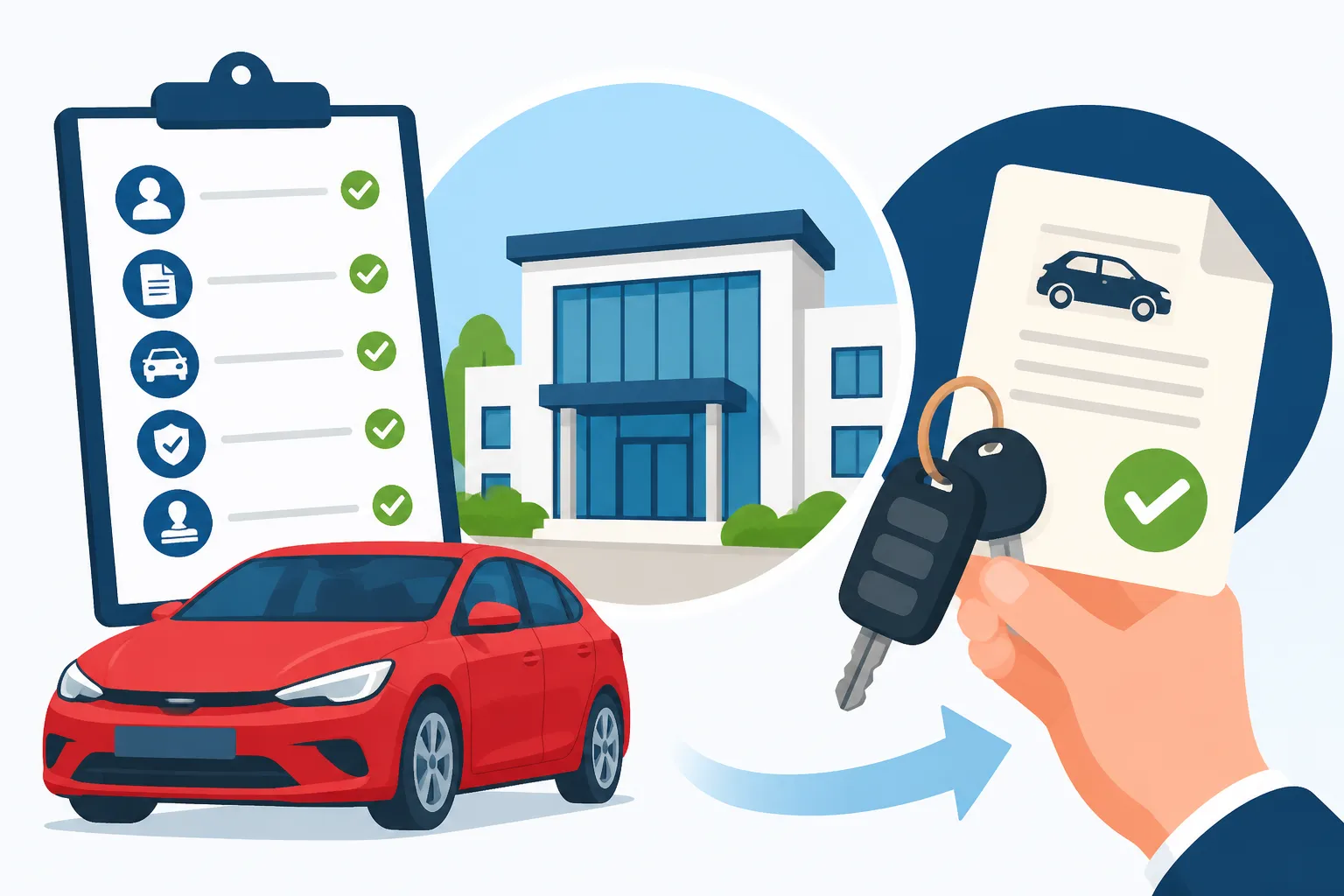
Here’s a general rundown of what you'll typically need:
- Proof of Ownership: This is paramount. For a used car purchased in Poland, it will be the umowa kupna-sprzedaży (purchase-sale agreement) or an invoice. For an imported car, it could be the original foreign registration certificate (which must be translated by a sworn translator if not in Polish or English) and the purchase invoice.
- Foreign Registration Documents (if imported): The vehicle's original registration certificate (e.g., V5C from the UK, Fahrzeugbrief/Fahrzeugschein from Germany) is essential. Remember, certified translations are almost always required unless the document is multilingual and includes Polish.
- Proof of Identity: Your passport, along with your residence card (Karta Pobytu) or a valid visa. If you're an EU citizen, your national ID card will suffice.
- PESEL Number: This is your national identification number in Poland. While sometimes you can proceed with a NIP (Tax Identification Number) if you don't have a PESEL, it's increasingly necessary for most administrative tasks. Learn more about How to Get Your PESEL Number and Why It Matters for Healthcare.
- Proof of Address (Zameldowanie): A confirmation of your registered address in Poland. This demonstrates your official connection to the local Urząd. For detailed steps on this, refer to How to Register Your Residence (Zameldowanie) at the Urząd in Poland.
- Confirmation of Technical Inspection (Badanie Techniczne): More on this in the next section, but you'll need the certificate.
- Proof of Customs Clearance (for non-EU imports): This means the SAD (Single Administrative Document) or equivalent showing import duties and VAT have been paid.
- Proof of Payment of Excise Tax (Akcyza) and VAT: If imported from the EU, you might still need to pay excise tax depending on the vehicle type (especially for passenger cars). For cars imported from outside the EU, VAT is typically paid at customs.
- Application Form (Wniosek o rejestrację pojazdu): This will be provided by the Urząd or can often be downloaded from their website.
- Old Registration Plates (if applicable): If you're replacing old Polish plates or surrendering foreign ones.
Gathering all these can feel like a scavenger hunt. My advice? Make copies of everything, and keep them organised. Even then, they might ask for another copy of something you already gave them. Just smile, nod, and provide it again. It's part of the process.
The Technical Inspection (Badanie Techniczne)
Before you can register your car, it needs to undergo a technical inspection at a certified diagnostic station (Stacja Kontroli Pojazdów). This is a thorough check to ensure the vehicle meets Polish safety and environmental standards. If your car is brand new, it might come with a valid inspection certificate, but for used or imported vehicles, this is almost always a mandatory step.
The inspector will check everything from brakes and lights to emissions and tire condition. For imported cars, they will pay particular attention to compliance with EU standards, such as headlight alignment (especially for RHD vehicles in a LHD country). If your car fails, you'll be given a list of issues to fix and will need to return for a re-inspection.
Once your vehicle passes, you'll receive a Zaświadczenie o przeprowadzonym badaniu technicznym pojazdu, which is your golden ticket for the next step. You can read more about Understanding the Annual Vehicle Inspection (Przegląd Techniczny) in Poland for more context on what this entails.
Paying Your Dues: Taxes and Fees
Ah, taxes. No escape from them. Car registration involves several fees and potentially taxes:
- Registration Fees: This includes the cost for the new registration certificate (dowód rejestracyjny), temporary certificate, control stickers, and, of course, the new license plates.
- Excise Tax (Akcyza): If you're importing a passenger car (not a utility vehicle or motorcycle) from an EU country, you'll likely need to pay excise tax. The rate depends on the engine size:
- 3.1% for engines up to 2000 cc
- 18.6% for engines over 2000 cc
You pay this at the customs office or via a dedicated online portal.
- Tax on Civil Law Transactions (PCC): If you purchased a used car in Poland from a private individual (not a company), you'll need to pay 2% of the car's market value as PCC. This is a common and often overlooked tax. Make sure to declare and pay this within 14 days of purchase. More details can be found in Understanding the Tax on Civil Law Transactions (PCC) in Poland.
- Environmental Fee (Opłata recyklingowa): For older imports, this might still apply, though it's less common now.
Ensure you have all payment confirmations and receipts when you head to the Urząd. They won't process your application without proof that you've settled all financial obligations.
The Visit to the Wydział Komunikacji (Vehicle Registration Department)
This is the big day! Armed with your mountain of documents, inspection certificate, and payment proofs, you'll head to your local Wydział Komunikacji. Be prepared for a wait, especially in larger cities like Warsaw or Krakow. Many offices now offer online appointment booking, which I highly recommend. It can save you hours.
When your number is called, present all your documents. The official will scrutinize them, likely asking for additional copies or clarifications. If everything is in order (a big "if" sometimes!), they will:
- Collect your old plates (if you have them).
- Issue temporary registration plates and a temporary registration certificate (tymczasowy dowód rejestracyjny). These are valid for 30 days.
- Give you a control sticker to place on your windshield.
- Inform you when your permanent dowód rejestracyjny (registration certificate) will be ready for collection. This usually takes a few weeks.
During the 30-day temporary registration period, you are legally allowed to drive your car. However, you must collect your permanent documents before the temporary ones expire. It's a nail-biting wait sometimes, but hold tight!
Here’s a simplified table of typical fees for car registration (excluding excise and PCC, which vary greatly):
| Item | Approximate Cost (PLN) | Notes |
|---|---|---|
| Registration Certificate (Dowód Rejestracyjny) | 54 | Permanent document |
| Temporary Permit (Pozwolenie Czasowe) | 13.50 | Valid for 30 days |
| License Plates (Standard) | 80 | Two standard plates |
| Control Sticker (Naklejka Kontrolna) | 18.50 | For windshield |
| Legalization Fee (Opłata Legalizacyjna) | 0.50 | Small administrative fee |
| Total Standard Fees | ~166.50 | Excludes personalized plates, special vehicle types, and other taxes (PCC, Akcyza, VAT) |
Note: These are approximate values and can change. Always check with your local Urząd for the most current fees.
Special Cases: Importing a Car from Abroad
Importing a car adds several layers of complexity. While the core registration process remains, the steps leading up to it are different.
Non-EU Imports: Customs and Additional Bureaucracy
If you're bringing a car from a country outside the European Union (e.g., USA, Canada, UK post-Brexit), prepare for a more involved process. This is where you'll face customs procedures head-on.
- Customs Clearance: Your car will need to pass through Polish customs. You'll pay customs duties (if applicable) and Polish VAT (Value Added Tax) here. The documentation you receive, like the SAD (Single Administrative Document), is crucial.
- Compliance Check: Non-EU cars might need modifications to comply with EU homologation standards. This could involve changing headlights, indicators, or even emission systems. This can be costly and time-consuming. You may need to obtain a świadectwo zgodności WE (Certificate of Conformity) or an individual approval.
- Sworn Translations: Every single document from your home country – registration, title, purchase invoice – must be translated into Polish by a sworn translator (tłumacz przysięgły). This is not optional, and a regular translation won't be accepted.
This entire process can be quite a hurdle, both financially and logistically. If you're in the midst of a big move to Poland, using a reputable international moving service can alleviate some of the stress associated with vehicle import. They often have experience with the customs requirements and can guide you through the maze of paperwork, ensuring you avoid common pitfalls.
EU Imports: A Slightly Smoother, But Still Bumpy, Road
Bringing a car from another EU country is generally simpler than from outside the EU, but it's not without its bumps. You still need to prove ownership, pay excise tax (for passenger cars), and undergo a technical inspection. The main differences are:
- No Customs Duties/VAT (usually): Since it's an intra-EU transfer, you typically don't pay customs duties or VAT again, assuming it was already paid in the originating EU country. However, as mentioned, excise tax for passenger cars is almost always due in Poland.
- Easier Homologation: Cars from other EU countries generally already comply with EU standards, so extensive modifications are rarely needed.
- Original Documents: You'll need the original registration certificate (parts I and II, if applicable) from the EU country. These generally won't require sworn translation if they are in English or include an English section, but always prepare for the possibility, as Urząd officials can be particular.
Even with EU imports, don't underestimate the process. It's still administrative heavy, requiring careful attention to every piece of paper.
Post-Registration Essentials: What Comes Next
Congratulations, you've got your Polish plates and dowód rejestracyjny! You might think you're done, but there are a few more critical items to take care of immediately.
Insurance: Your Legal Obligation (OC)
This is non-negotiable. In Poland, it is mandatory to have OC (Odpowiedzialność Cywilna), which is third-party liability insurance. You cannot legally drive your car without it. The insurance needs to be active from the moment you take possession of the car or from the date you start driving it on Polish roads.
You'll be asked to provide proof of OC when registering your car, and they often won't issue the temporary plates without it. Shopping for OC is relatively straightforward, with many providers like PZU, Link4, or Warta. You can compare quotes online or visit an insurance broker.
While OC covers damage you cause to others, it doesn't cover your own vehicle. For more comprehensive protection, you might consider AC (Autocasco), which is voluntary comprehensive insurance, covering theft, damage from accidents (even if you're at fault), and other unforeseen events. It's often a good idea, especially if you have a newer or more valuable car. Understanding the nuances of Understanding Private Health Insurance Plans in Poland might seem unrelated, but it's a good example of how to approach different insurance types here.
Roadside Assistance and Other Practicalities
Beyond mandatory insurance, consider getting roadside assistance (assistance drogowa). Poland has various providers, and many insurance companies offer it as an add-on. Given the varying road conditions and potential for unexpected issues, it can be a lifesaver.
Also, familiarise yourself with Polish traffic laws. They are generally in line with EU standards, but some local specifics, like tram priority or specific parking regulations, can catch you off guard. Always keep your physical dowód rejestracyjny, proof of OC, and your driving license with you when driving. While mObywatel (the government's digital ID app) now allows digital versions of some documents, having the physical ones on hand, especially for new registrations or if you're dealing with a foreign license, is always safer. If you're a new arrival trying to get settled, make sure you have solid mobile connectivity, an eSIM from a provider like Airalo can be incredibly useful for navigating, translating on the fly, and accessing online documents.
Common Pitfalls and How to Avoid Them
Dealing with official Polish offices can be tricky, even for Poles! Here are some common traps expats fall into and how to steer clear of them.
Language Barriers and Translator Needs
Unless you're fluent in Polish, the language barrier will be your biggest challenge. Official communication is almost exclusively in Polish, and while some officials might speak basic English, you cannot rely on it.
- Bring a Polish-speaking friend: This is perhaps the easiest solution. Having someone who can translate and advocate for you can significantly smooth the process.
- Hire a sworn translator: For specific documents, you must use a sworn translator. For communication at the Urząd, you might consider hiring a translator for the actual visit, especially if your case is complex.
- Prepare key phrases: Learn basic phrases related to car registration. Even a small effort can show good faith.
- Google Translate: While not perfect for official conversations, it can help understand specific words on forms or signs.
Remember, patience is a virtue here. Getting flustered or angry won't get you anywhere.
Incomplete Documentation: The Recurring Nightmare
This is the number one reason for delays. You might think you have everything, but then an official asks for a document you never even knew existed, or a specific type of stamp.
- Triple-check official websites: Before your visit, go through your local Urząd's website for their specific list of required documents. Print it out and tick off each item.
- Call ahead (if you dare!): Trying to call the Urząd can be an exercise in frustration, but if you manage to get through to someone helpful, they might clarify specific requirements. Again, have a Polish speaker make the call.
- Organise meticulously: Keep all originals and copies in clearly labeled folders. This makes it easier to present them and to quickly find something if an official asks for it again.
- Don't rely on assumptions: Just because it worked that way in your home country, or even in another Polish city, doesn't mean it will here. Each official might have a slightly different interpretation of the rules.
Getting things done in Poland is often about persistence and preparation. With a bit of foresight and a calm approach, you'll navigate the system and get your car legally registered in no time. For a broader perspective on settling in, consider reading The Complete Guide to Moving to Poland: Your First 90 Days.
Disclaimer
The information provided in this guide is for general informational purposes only and does not constitute legal or professional advice. While we strive to keep the information up-to-date and accurate, regulations and procedures in Poland can change frequently and may vary based on your specific circumstances and local administrative office (Urząd). It is highly recommended to consult official sources, such as the website of your local Wydział Komunikacji, or seek advice from a legal professional or a sworn translator specializing in administrative matters, before taking any action. The author and publisher are not liable for any loss or damage arising from reliance on this information.