How Do I Enrol My Teenager in High School (Liceum) in Poland?
Moving to Poland with teenagers is an exciting adventure, but let's be honest – navigating a completely new education system, especially when it comes to enrolling your teenager in high school (known as a liceum), can feel like a monumental task. You're probably picturing endless forms, language barriers, and trying to understand a curriculum structure that’s totally different from what you know. This guide is here to walk you through every step, helping you decode the Polish high school system and ensure a smoother transition for your teen.
Understanding Poland's Secondary Education System
The Polish education system, like many European systems, has its own unique structure and terminology, which can be quite a hurdle for expat parents and their teens. It’s not just about finding a building; it’s about understanding the entire philosophy behind secondary education here.
The Liceum Ogólnokształcące Explained
When we talk about high school for teenagers in Poland, we're primarily referring to the Liceum Ogólnokształcące. This translates directly to "general high school," and it's the most common pathway for students aiming for higher education. Imagine it as a direct preparation for university.
A liceum typically spans four years for students completing szkoła podstawowa (primary/junior high school). Its core purpose is to provide a broad general education across various subjects, culminating in the matura exam – Poland's crucial national high school leaving examination, which is also the main gateway to university admissions. Unlike some systems where students specialise very early, licea offer a more comprehensive curriculum in the initial years, with some specialisation becoming more prominent in the later years through "profiled classes" (e.g., humanities, STEM, language profiles). For your teenager, choosing a liceum means committing to a challenging academic path that is very much geared towards tertiary education. It's a significant step, and the pressure around matura can be quite intense, even for Polish students, let alone those just adjusting to the language and culture.
Key Differences for Expats
As an expat family, you’ll quickly notice some stark differences that set the Polish liceum apart from high schools in many other countries. These aren't just minor adjustments; they often require a fundamental shift in perspective for both parents and students.
First and foremost, the language barrier is often the biggest hurdle. The vast majority of licea operate entirely in Polish. While some major cities like Warsaw or Krakow might have a handful of schools offering bilingual sections (usually Polish-English or Polish-German), these spots are highly competitive and still require a strong foundational grasp of Polish. Your teenager will be expected to attend classes, complete homework, and take exams in Polish, which can be incredibly daunting. It's not uncommon for expat teens to spend their first year (or more) primarily focused on intense language acquisition, often feeling behind their peers academically.
The curriculum structure also tends to be broader and less elective-based than what many Western students are accustomed to. While there's some flexibility with "profiled classes" in the later years, the core subjects and general academic rigor are standardised. Don't expect a cafeteria-style elective system or as much freedom in choosing niche subjects. The emphasis is on deep knowledge across a range of disciplines. Moreover, the grading system (typically on a 1-6 scale, with 6 being excellent) and pedagogical approaches might differ from what your teen is used to. You might also find a more formal teacher-student dynamic in some schools compared to more relaxed environments abroad. Finally, navigating the administrative side, from initial inquiries to securing a spot, often requires a PESEL number, which is essential for almost any official transaction in Poland. Obtaining this crucial identification number is one of the first things you'll want to tackle upon arrival.
Navigating the Application Process for Expats
The application process for licea in Poland can feel like a labyrinth, especially since it's largely decentralised and often relies on online municipal systems. Patience, meticulous organisation, and a proactive approach are your best friends here.
Essential Documents and Translations
Getting your paperwork in order is perhaps the most critical, and often the most frustrating, part of the entire process. Polish bureaucracy has a penchant for precise documentation, and any missing or incorrectly prepared item can lead to delays or outright rejection.
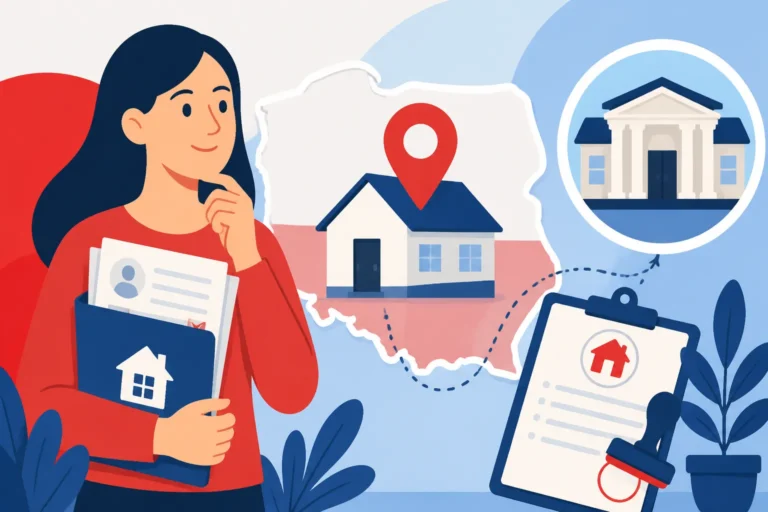
You'll need a collection of documents for your teenager, which usually includes:
- Previous school certificates and transcripts: These are paramount, detailing your child's academic performance from their prior schooling. The school will need to assess these to determine which grade level your teen qualifies for in Poland.
- Birth certificate: A standard requirement for identification.
- Medical certificate (karta zdrowia): This is a Polish-specific requirement. Your child will likely need a general health check-up from a Polish doctor to obtain this. This is where understanding The Complete Guide to Healthcare in Poland for Expats (2027) becomes invaluable, as you’ll need to navigate the local medical system to secure this document.
- PESEL number: As mentioned, this is practically non-negotiable for most official registrations. If your teenager doesn't have one yet, you'll need to sort this out. Check out guides like What Documents Do I Need to Get a PESEL in Poland? to get started.
- Proof of residence: For you and your family in Poland.
- Your (the parent's) ID/passport.
A crucial point here is certified translations. Any document not originally in Polish must be translated by a tłumacz przysięgły (certified sworn translator) in Poland. This isn't something you can do yourself or get done by any translator abroad. These are official translations recognised by Polish institutions, and they are not cheap. Factor this into your budget and timeline. The sheer volume of paperwork and the need for these specific translations can be a major source of stress, so start early!
The Online Recruitment System (Elektroniczna Rekrutacja)
Once your documents are prepped, you'll likely enter the world of elektroniczna rekrutacja, Poland's online recruitment system for secondary schools. This system varies slightly by municipality, so what works in Warsaw might have nuances in Krakow or Gdansk. You'll typically find links and information on your local kuratorium oświaty (education superintendent's office) website or the municipal education department's portal.
Here’s a general step-by-step idea:
- Create an account: You'll need to register on the municipal online platform, usually during a specific recruitment window (typically late spring/early summer for the next academic year).
- Select schools and profiles: You'll be asked to choose a list of licea (and potentially specific profiles or classes within them) in order of preference. This is where your research into different schools' reputations, specializations, and any potential bilingual offerings comes into play. You can usually list several schools, increasing your teen's chances.
- Input grades and achievements: You’ll enter your teenager’s grades from previous schooling, which will be converted to the Polish grading scale. Any special achievements, competitions, or extra-curricular activities might also be considered, depending on the school.
- Submit documents: After initial online submission, you'll often need to physically submit hard copies of your certified documents to your first-choice school. They will verify everything.
- Await results: The system then processes applications, and results are published on specific dates. If your teen is accepted into one of their preferred schools, you'll need to confirm acceptance by a certain deadline.
This entire process is time-sensitive, with strict deadlines that are non-negotiable. Missing a date can mean missing out on a spot for the year. Keeping track of these dates on the kuratorium oświaty website for your city is crucial. During this period, having reliable internet and phone connectivity is paramount. While you're waiting to set up your Polish mobile plan, an eSIM from providers like Airalo can be a real lifesaver for staying connected and checking updates on the go, without the hassle of a physical SIM.
Entrance Exams and Interview Considerations
While many public licea primarily admit students based on their previous academic records and points accrued through the online system, some schools – particularly highly sought-after ones, those with specialised academic profiles (e.g., advanced maths, science, or humanities), or schools offering bilingual sections – may require entrance exams or interviews.
These exams are often designed to test a student's aptitude in specific subjects like Polish language, mathematics, or English, depending on the school's profile. For expat teenagers, the Polish language component can be a significant hurdle. Even if your child has a good grasp of everyday Polish, academic language is a different beast entirely. It might be worth investing in intensive Polish language courses or private tutoring in advance, not just for general integration but specifically for exam preparation. These tests are usually held well before the final recruitment results are published, so you need to be aware of these additional steps early in your school research.
Interviews, if required, are often less about formal testing and more about assessing the student's motivation, interests, and general readiness for the school's environment. For both exams and interviews, ensure your teenager is well-prepared, knows what to expect, and feels supported throughout what can be a very stressful period.
Supporting Your Teenager Through the Transition
Enrolling in a new school system in a foreign country is a massive undertaking for any teenager. Beyond the paperwork, there are significant emotional and social adjustments. As parents, your role in supporting their integration and academic success is absolutely vital.
Language Support and Integration
The language barrier, as we've touched upon, is often the single most challenging aspect for expat teenagers entering Polish licea. Even if they've had some Polish lessons, full immersion in an academic setting is a different ball game.
Many schools, particularly those with a higher number of foreign students, are becoming more adept at offering language support. This might come in the form of lekcje wyrównawcze (remedial classes) for Polish language or even dedicated nauka języka polskiego jako obcego (Polish as a foreign language) courses. Inquire about these options directly when you contact potential schools. If the school doesn't offer robust support, consider private tutors or enrolling your teenager in intensive How to Enrol in a Polish Language Course outside of school hours. Even small efforts, like watching Polish TV shows or movies together, can make a difference.
Beyond academics, social integration is paramount for your teen's well-being. Encourage them to participate in extracurricular activities, sports clubs, or after-school groups. This is often where true friendships are forged, outside the immediate pressure of academic performance. Many schools also have a psycholog szkolny (school psychologist) or pedagog (school counsellor) who can offer support to students struggling with adjustment. Don't underestimate the emotional toll of moving and starting over. Validate their frustrations, celebrate small victories, and ensure they know they’re not alone in this journey. Remember, you're not just enrolling them in a school; you're helping them build a new life, and platforms like Sirelo, which offer comprehensive relocation guides, can often provide helpful insights into local expat communities and support groups that understand these unique challenges.
Curriculum Adjustment and Academic Expectations
Polish licea can be academically demanding, and the style of teaching and assessment might be unfamiliar to your teenager.
Understanding the Polish grading system is a good start. Grades typically range from 1 (unsatisfactory) to 6 (excellent/outstanding), with 2 being a passing grade. Teachers often use pluses and minuses within this scale (e.g., 4+). The focus is often on factual knowledge and analytical skills, with a significant amount of homework and independent study.
You'll need to help your teenager adjust to the homework load and potentially different study methods. Encourage them to seek clarification from teachers if they don't understand something, and don't be afraid to communicate with the school yourself. Most schools use an e-dziennik (electronic journal), an online platform where parents can check grades, attendance, homework assignments, and communicate with teachers. Familiarise yourself with this system – it's your primary window into your teen's academic life.
Parent-teacher meetings (wywiadówka) are held regularly, giving you an opportunity to discuss your child's progress. While some teachers might speak English, it’s not guaranteed, so consider bringing a Polish-speaking friend or translator if you anticipate a more in-depth discussion. Managing academic pressure while also navigating cultural differences in teaching styles requires a delicate balance. Reassure your teen that adjustment takes time, and their best effort is what truly matters.
Practicalities and Post-Liceum Pathways
Beyond the immediate concerns of enrollment and integration, there are practical considerations like costs and, crucially, what happens once liceum is successfully completed.
Financial Considerations and Resources
The good news for many expat families is that public licea in Poland are tuition-free. This can be a significant advantage compared to international schools. However, "free" doesn't mean zero cost. You'll still need to budget for:
- School books and supplies: Textbooks, notebooks, and other school supplies can add up, especially at the beginning of each academic year.
- Extracurricular activities and school trips: While not mandatory, these are crucial for integration and personal development.
- Private tutoring: If your teenager needs extra help with Polish or specific subjects, private lessons can be a considerable expense.
- Transportation: Depending on where you live and the school's location, public transport costs will be a factor.
- Medical certificates: As mentioned earlier, obtaining the initial health certificate will incur a fee if you don't have public health insurance coverage sorted out through work or voluntary contributions.
If a public liceum isn't the right fit, private licea are an alternative. These schools often offer smaller class sizes, more specialised programs, and sometimes an international curriculum or greater English-language support. However, they come with significant tuition fees, which can range from a few hundred to over a thousand euros per month, depending on the city and the school's prestige. For a broader understanding of general expenses, you might want to consult The Complete Guide to Cost of Living in Poland for Expats (2026).
While direct financial aid for foreign students in public schools is rare, some local government initiatives or school foundations might offer support for specific activities or supplies. It's always worth asking the school secretary or pedagog if any such resources exist.
What Comes After Liceum? Matura and University
Successfully completing liceum culminates in the Matura exam (Egzamin Maturalny), which is the most critical hurdle for Polish students aspiring to higher education. This national examination is generally taken in May of the final year of liceum.
The matura consists of:
- Obligatory subjects: Polish language and literature (written and oral), mathematics (written), and a foreign language (usually English, written and oral). These are typically taken at a basic level (poziom podstawowy).
- Chosen advanced subjects: Students must also choose at least one additional subject to take at an advanced level (poziom rozszerzony) from a wide range including history, biology, chemistry, physics, geography, other foreign languages, or IT. The results from these advanced subjects are crucial for university admissions, as different faculties require specific subjects and minimum scores.
Preparing for the matura is the central focus of the last two years of liceum. For your expat teenager, excelling in the Polish language component, both written and oral, will be particularly challenging and will require consistent effort throughout their liceum journey.
| Feature | Public Liceum Ogólnokształcące | Private Liceum Ogólnokształcące |
|---|---|---|
| Tuition | Free | Significant monthly/annual fees (can be substantial) |
| Language | Primarily Polish (some may have bilingual sections) | May offer bilingual or international curricula (e.g., IB, A-Levels) |
| Curriculum | Polish national curriculum, preparing for Matura | Polish national curriculum or international programs |
| Class Size | Generally larger (25-35+ students) | Often smaller (15-25 students) |
| Admissions | Online system, academic records, sometimes entrance exams | Application, interviews, sometimes entrance exams, fees |
| Resources | Standard state funding, varies by municipality | Often better facilities, more extracurriculars due to funding |
| Expat Support | Limited direct language support, sometimes remedial classes | More likely to have dedicated ESL support, expat community |
The university application process in Poland relies heavily on matura results. Each university and faculty sets its own admission criteria, including minimum matura scores for specific subjects. Therefore, choosing the right advanced subjects in liceum is a strategic decision for those planning to continue their education in Poland. While the liceum path is heavily skewed towards university, there are also vocational schools (technika and branżowe szkoły) that offer practical skills and qualifications, though these are less commonly sought by expat families whose primary goal is often international higher education. For those contemplating the wider aspects of settling in, remember that this journey is part of a larger picture, as outlined in The Complete Guide to Moving to Poland: Your First 90 Days (2027).
Navigating the Polish education system with a teenager is undeniably complex, but with thorough preparation, open communication, and unwavering support, your child can thrive. Remember to secure your residence permits, understand The Complete Guide to Polish Residence Permits for Expats (2027), and set up your banking, as detailed in Banking in Poland: A Complete Guide for Foreigners (2027), to ensure all administrative aspects are covered.
Disclaimer
Please note that while this guide aims to provide comprehensive and up-to-date information, regulations and procedures in Poland can change. It is always advisable to verify the latest requirements with the specific school district (Kuratorium Oświaty) or the individual liceum you are interested in. This information is for general guidance and does not constitute professional advice.