How Do I Get a Polish SIM Card as a New Arrival?
That moment you land in Poland, step off the plane, and realize your phone isn't connecting to any network can be utterly disorienting. You need a taxi, you need maps, you need to tell someone you've arrived, and suddenly, you're hit with the reality of international roaming charges or, worse, no signal at all. This guide is here to walk you through everything you need to know about getting a Polish SIM card as a new arrival, from pre-arrival planning to activation and staying connected.
The Urgent Need for Connectivity: Pre-Arrival & Initial Steps
Let's be real, in today's world, being disconnected even for a few hours can feel like being stranded on a desert island. The instant you touch down in Poland, whether it's at Warsaw Chopin, Krakow Balice, or another airport, your immediate thought, after navigating customs, is likely about how to get online. You've got to confirm your accommodation, find your way to the city center, or maybe just call a loved one to let them know you're safe. Relying solely on airport Wi-Fi, which can often be spotty or require registration that you can't complete without a local number, is not a strategy you want to bank on.
Navigating Initial Disconnection and Roaming Traps
The first few hours in a new country are often a whirlwind of new sights, sounds, and sometimes, a fair bit of confusion. Having a working phone makes a huge difference. Without a local SIM, your existing phone will either try to connect via international roaming – a financial black hole for most non-EU citizens – or simply remain a fancy brick until you find Wi-Fi. Many of us have been there, nervously watching our data usage climb, knowing a monstrous bill awaits us back home. For those coming from outside the EU/EEA, roaming costs can be truly astronomical. Even for EU citizens, while roaming charges within the EU are capped, they can still eat into your home country's data allowance faster than you'd like, especially if you're planning a longer stay. It's really not a sustainable solution for more than a day or two.
eSIMs: Your Digital Lifeline for a Smooth Landing
This is where technology has become a true game-changer for new arrivals. eSIMs (embedded SIMs) allow you to activate a cellular plan digitally, without needing a physical SIM card. This means you can purchase and set up a Polish data plan before you even leave your home country or while you're waiting for your luggage on the tarmac. Imagine landing, switching on your phone, and already having access to local data – no frantic searching for a SIM card vendor, no wrestling with foreign languages, just instant connectivity.
Services like Airalo offer eSIM plans specifically for Poland, giving you data packages that activate upon arrival. You can download their app, choose a plan (e.g., 1GB, 3GB, 5GB for a certain number of days), and install the eSIM profile on your compatible device with just a few taps. It’s incredibly convenient for those crucial first days, ensuring you have maps, translation apps, and communication ready to go. While many eSIMs are data-only, they usually provide enough connectivity to use WhatsApp or other VoIP services for calls and messages. This way, you're not scrambling immediately and can take your time to understand the local market for a long-term physical SIM solution if you need calls/SMS. It's often the most stress-free option for your very first moments in Poland, giving you a proper soft landing.
Getting Your Hands on a Polish Physical SIM Card
While eSIMs are fantastic for immediate data, most expats eventually opt for a physical Polish SIM card for calls, SMS, and often more robust or cheaper long-term data plans. The process here is a bit more bureaucratic than in some other countries, so it's important to be prepared. Poland, like many EU countries, has strict regulations requiring the registration of all prepaid SIM cards, a measure put in place for security reasons. This means you can't just pick up a SIM and pop it in your phone anonymously.
Where to Buy a SIM Card: Your Options and What to Expect
Once you're settled and have had a chance to breathe, you can start looking for a local SIM. Your options are generally:
- Official Carrier Stores (e.g., Play, Orange, T-Mobile, Plus): This is often your best bet, especially if you anticipate needing assistance in English. These stores are typically found in shopping malls (like Złote Tarasy in Warsaw or Galeria Krakowska in Krakow), on high streets, or in larger commercial centers. The staff here are usually well-versed in the various plans, and while English fluency can vary, it's generally better than in smaller kiosks. They can guide you through the registration process thoroughly.
- Supermarkets and Hypermarkets (e.g., Auchan, Carrefour, Biedronka, Lidl): You can often find starter packs for prepaid SIMs near the checkout counters or in electronics sections. These are usually cheaper, "basic" starter packs. The catch? You'll still need to register it, and the supermarket staff themselves won't do it. You'll likely need to take the unregistered SIM pack to an official carrier store or a post office (Poczta Polska) for registration, which can add an extra step and potential language barrier.
- Convenience Stores (e.g., Żabka, Ruch kiosks): Similar to supermarkets, Żabka stores (ubiquitous in Poland!) also sell prepaid SIM starter packs. Again, you buy the pack, but you still need to register it elsewhere. Sometimes, larger Żabkas or specific kiosks might offer on-the-spot registration, but this isn't guaranteed, and language support will be hit or miss.
- Post Offices (Poczta Polska): Some post offices offer SIM card registration services. This can be a viable option if you're struggling to find an open carrier store or prefer to handle all your administrative tasks in one place. Just be prepared for potentially longer queues and a more formal, less expat-friendly interaction.
It's tempting to grab the cheapest SIM from Żabka, but for peace of mind, especially when you're fresh off the plane, heading to an official store is often worth the slightly higher initial cost or extra travel time.
The All-Important Registration Process: Documents You'll Need
This is the part that catches many new arrivals off guard: you must register your prepaid SIM card with your personal details before it can be activated. This isn't just a suggestion; it's a legal requirement in Poland. Trying to use an unregistered SIM will simply not work.
Here’s what you absolutely need for registration:
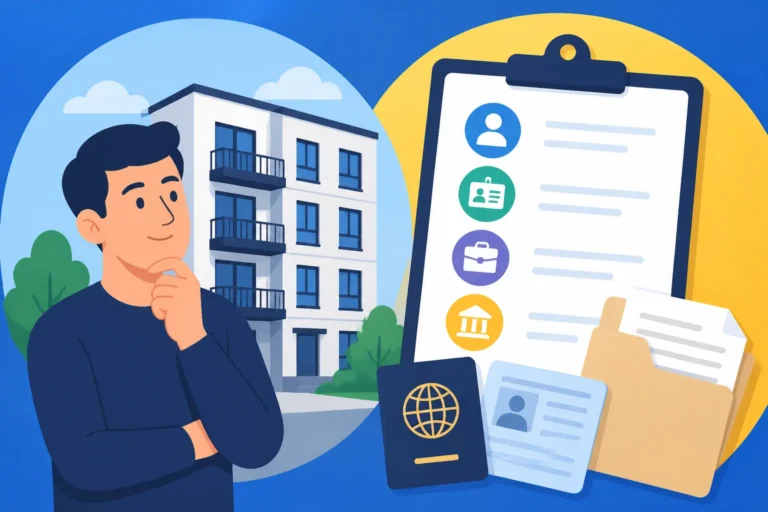
- Passport or National ID Card: This is your primary form of identification. Make sure it's valid and the one you used to enter Poland.
- Proof of Address (sometimes): While not always strictly required for prepaid SIMs, some carriers or registration points might ask for proof of your Polish address. This could be your rental contract (Umowa Najmu), a utility bill in your name, or your official residence registration document (Zameldowanie). If you're a very new arrival and haven't secured these yet, it might complicate things. Ideally, you should have at least a temporary address for the form. If you're struggling, check out our guide on How Do I Get Proof of Address in Poland?.
- Your PESEL Number (highly recommended, but not always mandatory for initial SIM registration): A PESEL is Poland's national identification number, and it’s a big deal. While you can sometimes register a SIM with just your passport/ID, having a PESEL number will make future administrative tasks, including dealing with your phone provider, much smoother. You'll need a PESEL for almost everything official in Poland, from healthcare to opening a bank account. It's often requested during the SIM registration process, and not having one can sometimes lead to complications or delays. If you're planning a longer stay, prioritizing getting your PESEL number is one of the first things you should do.
The process involves filling out a form with your personal data, which the staff will then input into their system, linking your identity to the SIM card's unique serial number. Once registered, the SIM should become active almost immediately, or within a few hours.
Understanding SIM Types: Prepaid vs. Postpaid
As a new arrival, you'll almost certainly start with a prepaid (na kartę) SIM card. These are pay-as-you-go: you buy a starter pack, register it, then top it up with credit (doładowanie) as needed. This gives you flexibility and no long-term commitment.
Postpaid (abonament) plans, where you sign a contract and pay a monthly bill, are generally not an option for new arrivals. Carriers usually require a long history of residency, a Polish bank account, and a PESEL number for credit checks. They might also ask for a long-term residence permit (How to Get a Temporary Residence Permit Karta Pobytu in Poland 2026) or even proof of steady income. So, stick with prepaid initially.
Choosing Your Polish Network Provider and Plan
Poland has a competitive mobile market with four main network operators, often referred to as "the big four." Each has its pros and cons, and what's best for you might depend on your location, usage habits, and budget.
The Big Four: Play, Orange, T-Mobile, and Plus
Here's a quick rundown of the major players:
- Play (P4): Often seen as the most expat-friendly. They're known for competitive data packages and often have English-speaking staff in their larger stores. Their network coverage is generally good in urban areas, and they have agreements to use other networks' infrastructure in less populated regions.
- Orange Polska: The largest and oldest operator in Poland. They tend to have very reliable national coverage, especially in more rural areas. They offer a wide range of services, but their prepaid plans might sometimes be slightly less aggressive on price than Play's.
- T-Mobile Polska: Part of the global T-Mobile brand, they offer solid network performance and a good user experience. Their plans are generally competitive, and they frequently run promotions.
- Plus (Polkomtel): Known for its strong network, especially for those looking for robust 5G coverage in many cities. They also offer various prepaid options and often bundle services.
Beyond these four, you'll also find smaller virtual network operators (MVNOs) that use the infrastructure of the big four. These can sometimes offer even cheaper deals, but often with less dedicated customer service or retail presence. For a new arrival, sticking with one of the big four for their better support infrastructure is usually the safer bet.
Deciphering Data Plans, Bundles, and Validity
Prepaid plans in Poland usually involve buying a starter pack, which includes the SIM card itself and a small amount of initial credit or a basic data bundle. After that, you'll need to purchase additional "bundles" or "packages" (pakiety) depending on your needs.
These bundles typically offer:
- Data (Internet): This is usually the main focus. You'll see offers like "10 GB for 30 days" or "Unlimited data for 7 days." Be aware that "unlimited" often means a high-speed allowance, after which speeds are throttled, but you can still use data.
- Calls (Rozmowy) and SMS (Wiadomości): Many bundles include unlimited calls and SMS to Polish mobile networks. International calls are usually separate or require an add-on.
- Validity Period: Crucially, these bundles have a validity period, usually 30 days. If you don't top up or activate a new bundle within that time, your existing data/calls might expire, and you'll revert to pay-as-you-go rates, which are much more expensive.
Here’s a simplified comparison of typical prepaid offers (note: prices and exact offers change frequently, so always check the provider's current promotions):
| Feature/Provider | Play (Prepaid) | Orange (Prepaid) | T-Mobile (Prepaid) | Plus (Prepaid) |
|---|---|---|---|---|
| Typical Data | Very competitive, often large bundles | Good range, solid national coverage | Strong data focus, often good promotions | Excellent 5G, strong network performance |
| Calls/SMS | Usually unlimited to Polish networks | Usually unlimited to Polish networks | Usually unlimited to Polish networks | Usually unlimited to Polish networks |
| English Support | Generally good in larger stores/hotlines | Moderate, improving | Moderate | Moderate |
| Ease of Top-up | App, website, Żabka, kiosks | App, website, Żabka, kiosks | App, website, Żabka, kiosks | App, website, Żabka, kiosks |
| Expat-Friendly | High | Moderate to High | Moderate | Moderate |
Considerations for Expats: Language, Coverage, and Budget
- Language Support: For initial setup and ongoing queries, English customer service is invaluable. Play is often cited as being more proactive in this regard, but all major carriers have call center agents with varying degrees of English proficiency. In physical stores, it's a bit of a lottery, but larger stores in expat-heavy cities like Warsaw, Krakow, or Wrocław are more likely to have English-speaking staff.
- Network Coverage: While all big four have decent coverage in major cities, if you're planning to live or travel in more rural areas, it's worth checking coverage maps on their websites. Orange and Plus traditionally had very strong rural coverage, but others are catching up.
- Budget: Prepaid plans are generally very affordable in Poland, especially compared to Western Europe or North America. You can expect to pay anywhere from 25 PLN to 45 PLN per month for a generous data allowance and unlimited Polish calls/SMS. Keep an eye out for promotional offers, as carriers frequently compete with each other.
Remember, the best approach is to compare the current offers directly on the operators' websites or in their stores, as promotions can change weekly. Don't be afraid to ask questions in-store if you're not sure about a plan's details.
Activation, Registration, and Keeping Your Polish SIM Active
You've got your SIM card, you know your provider, and you've picked a plan. Now it's time to get it up and running and ensure it stays that way.
The Detailed Activation and Registration Walkthrough
- Insert the SIM: Pop the new Polish SIM card into your phone. Most modern phones use a "nano-SIM," but many starter packs come with a multi-size SIM you can break out.
- Power On and Wait: Turn on your phone. It should connect to the network, but you won't be able to use data or make calls (except emergency numbers) until it's registered.
- Head to a Registration Point: As mentioned, this is usually an official carrier store, a larger Żabka, or a post office. Bring your passport/ID and ideally your PESEL number.
- Fill Out the Form: You'll be asked to provide your name, surname, date of birth, nationality, and document number (from your passport/ID). If you have a PESEL, provide that too. The staff will input this into their system.
- Confirmation: Once the data is entered, the staff will confirm the registration. You might receive an SMS confirming that your number is now active. This can sometimes take a few minutes or up to a few hours.
- Activate Your Chosen Bundle: Once your SIM is registered, you might need to activate your chosen data/call package. This is usually done via a short code dialed from your phone (e.g., *136# for Play) or through the provider's mobile app. The store staff can usually help you with this step.
If you encounter issues, don't hesitate to ask for help. A friendly "Czy mówisz po angielsku?" (Do you speak English?) can open doors. If not, Google Translate or having a Polish-speaking friend with you can be a lifesaver.
Topping Up Your SIM Card (Doładowanie)
Once your initial bundle runs out or expires, you'll need to top up your account. This is known as "doładowanie" in Polish. You have several convenient options:
- Online via Provider's Website/App: All major carriers have dedicated apps and websites where you can top up directly using a Polish bank card (once you've opened a Polish bank account) or sometimes even an international credit card. This is often the easiest and most common method for expats.
- Physical Vouchers: You can buy top-up vouchers (kupon doładowujący) at Żabka stores, kiosks, post offices, and supermarkets. These come with a scratch-off code that you then dial into your phone.
- ATMs (Bankomaty): Many ATMs in Poland offer the option to top up mobile phones directly. Just select your operator and enter your phone number and the amount.
- Online Payment Services: Platforms like Blue Media allow you to top up various services, including mobile phones, using different payment methods.
It's crucial to understand the expiry dates of your top-ups and bundles. If you don't top up or activate a new bundle regularly, your number might eventually become inactive, and you could lose it. Most carriers will send you SMS reminders before this happens.
Troubleshooting Common Connectivity Issues
Even with the best preparation, things can sometimes go wrong. Here are a few common issues and how to tackle them:
- No Signal/Cannot Make Calls:
- Check registration: Is your SIM definitely registered? If you registered it recently, it might still be processing.
- Restart your phone: The classic IT solution, but it often works after a new SIM is inserted or registered.
- Check APN settings: Less common now, but sometimes your phone's Access Point Name (APN) settings for mobile data might not auto-configure. Your carrier's website will have the correct settings.
- Try a different phone: Rule out if it's a phone hardware issue.
- No Data, But Calls Work:
- Check data balance: Have you run out of data in your current bundle?
- APN settings: Again, this is a likely culprit if data isn't working at all.
- Data roaming disabled: Ensure mobile data is enabled in your phone's settings and that any data roaming blocks are off (though for a Polish SIM in Poland, this shouldn't be an issue).
- Language Barrier with Customer Service:
- Use the app: Most carriers have decent mobile apps that allow you to manage your account, check balances, and activate bundles without speaking Polish.
- Visit a major store: As mentioned, larger stores in major cities are your best bet for English-speaking staff.
- Ask a Polish friend: If you have local contacts, they can be invaluable for making a quick call to customer service for you.
Staying connected in Poland as a new arrival is easier than it might seem, once you understand the registration requirements. With a little preparation and knowledge of the options, you'll be navigating Polish cities and chatting with new friends in no time. And don't forget, when you're planning your bigger move to Poland, resources like Sirelo can also help you organize other aspects of your relocation, making the entire journey smoother.
Disclaimer
Please note that the information provided in this guide is for general informational purposes only and is subject to change. Mobile network operators frequently update their offers, terms, and conditions. While we strive to keep the information up-to-date and accurate, it is always recommended to verify the latest details directly with the chosen mobile network provider or relevant authorities. We are not responsible for any inaccuracies or outdated information.