How Do I Register a Car in Poland as a Foreigner?
Trying to register a car in a new country can feel like navigating a bureaucratic labyrinth designed specifically to confuse foreigners, and Poland is no exception. The forms, the stamps, the translations – it’s enough to make you want to give up and just rely on public transport. But fear not, my fellow expat! This guide will walk you through the often-frustrating, but ultimately achievable, process of registering your vehicle in Poland, detailing every step, document, and potential pitfall so you can hit the Polish roads with confidence.
Understanding the Initial Hurdles: Why Registering a Car in Poland is Tricky for Expats
When you first arrive in Poland, especially from outside the EU, the idea of bringing your car or buying one locally and then getting it registered can seem daunting. It’s not just about getting a license plate; it’s about navigating a system that wasn’t exactly built with multilingual international residents in mind. You might have heard whispers of endless paperwork, long waits, and unexpected fees, and honestly, some of those whispers hold a grain of truth.
The Bureaucracy Wall and Language Barrier
One of the biggest frustrations for expats is the sheer amount of paperwork and the often-unpredictable nature of Polish bureaucracy. While things are slowly digitizing, many critical processes, like car registration, still heavily rely on physical documents and in-person visits to various government offices. It’s not uncommon to be told you need one document, only to arrive with it and be informed you actually needed three more, or that the form has subtly changed since you last checked online.
Then there’s the language. While staff in bigger cities are increasingly English-proficient, especially in offices frequented by foreigners, you can’t always count on it. Imagine trying to explain the intricacies of your vehicle’s foreign registration documents or clarify a specific tax requirement when neither you nor the official speaks the other’s language fluently. It adds layers of stress and often necessitates bringing along a Polish-speaking friend or, for official matters, a sworn translator. This is where having a reliable mobile connection, perhaps with an eSIM from a provider like Airalo, can be a lifesaver for quick online translations or calls for help.
Imported Cars vs. Buying Locally: The First Big Choice
Your journey into Polish car ownership typically starts with a crucial decision: do you bring your existing vehicle with you, or do you purchase one once you’re here? Both paths have their own set of administrative hoops, but they differ significantly. Importing a car, especially from outside the European Economic Area (EEA), involves customs duties, VAT, and a potentially more complex technical verification process. It’s not just about driving it across the border; you’re effectively importing goods, and the Polish state wants its slice.
On the other hand, buying a car in Poland, whether new or used, streamlines some of the initial paperwork. If you buy a new car from a dealership, they often handle a significant portion of the initial registration for you. For a used car purchased from another individual in Poland, the process is primarily about transferring ownership and updating the existing registration, which is generally simpler than starting from scratch with an imported vehicle. If you're pondering the latter, our guide on How to Buy a Used Car in Poland as a Foreigner offers a deep dive. For those relocating and planning to bring their car as part of a larger move, services like Sirelo might be helpful in understanding the logistics of international vehicle transport alongside your household goods, though they won't handle the local Polish registration process itself.
The Essential Documents: What You Absolutely Need to Gather
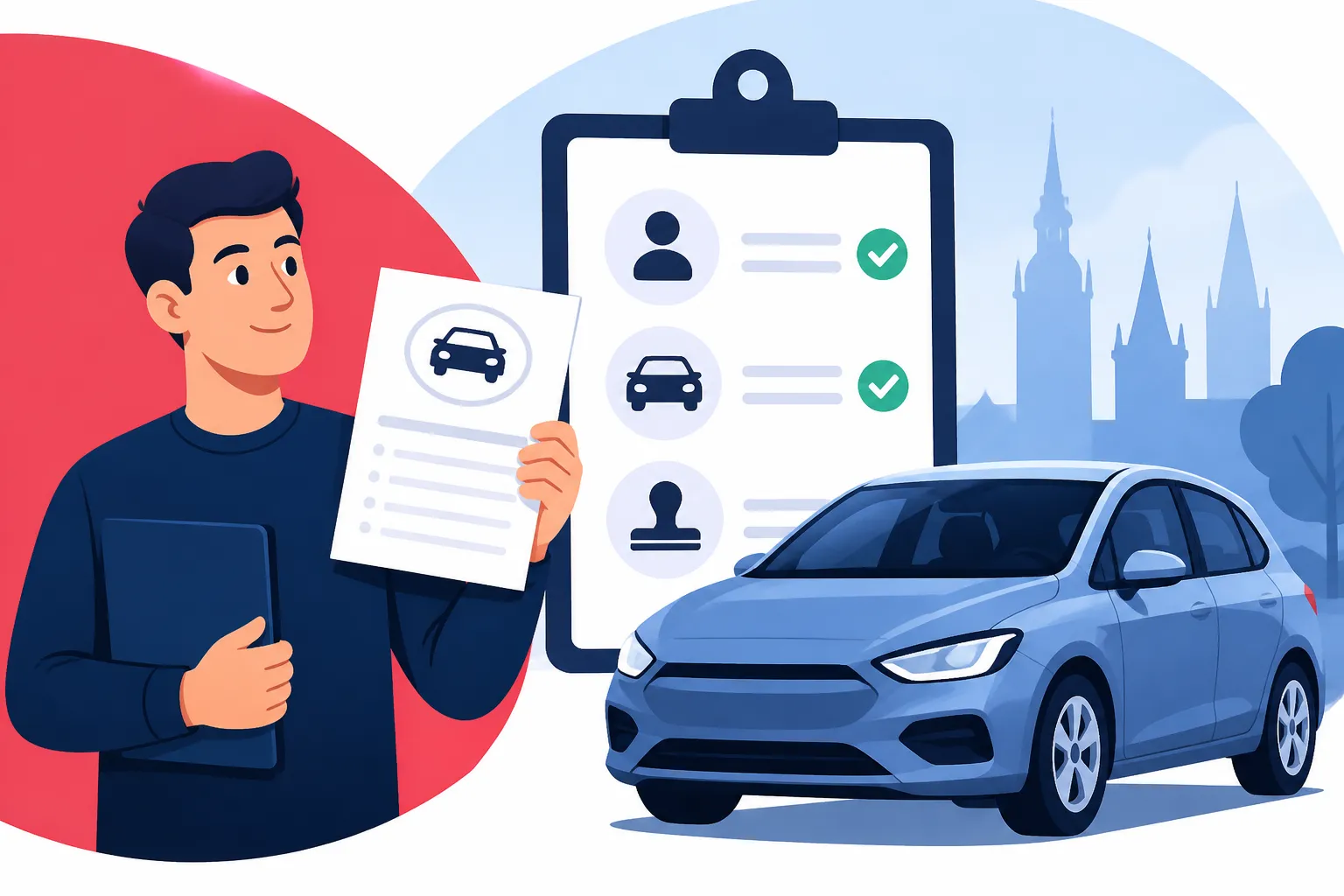
Alright, let’s get down to brass tacks: the paperwork. This is where most expats feel the initial surge of despair, but being prepared is half the battle. Think of this as your battle plan for document collection. Each piece of paper plays a critical role, and missing even one can send you back to square one.
Proof of Identity and Residency in Poland
Before you even think about the car, you need to prove who you are and that you legitimately reside in Poland. This is fundamental to almost every administrative process here.
- PESEL Number: This is your national identification number, and it’s crucial for most official transactions, including car registration. If you don't have one yet, it's usually obtained as part of your residence permit application or by registering your residence. Our article on How to Get Your PESEL Number and Why It Matters for Healthcare explains this in detail.
- Proof of Residency (Karta Pobytu/Visa/EU Registration): For non-EU citizens, your valid temporary or permanent residence permit (Karta Pobytu) is essential. For EU citizens, proof of your EU registration (zaświadczenie o zarejestrowaniu pobytu obywatela UE) is needed.
- Proof of Address (Zameldowanie): You’ll need a current address registration (zameldowanie). This legally confirms your place of abode in Poland. Without it, many public offices simply won't proceed with your application. Find out more in our Registering Your Residence (Zameldowanie) in Poland: The Complete Guide.
- Valid ID: Your passport or national ID card, of course.
Vehicle-Specific Documentation
This is where the actual car paperwork comes into play. The exact documents vary slightly depending on whether the car is new, used, imported from the EU, or imported from outside the EU.
- Proof of Ownership:
- Purchase Agreement (Umowa Kupna-Sprzedaży) or Invoice: If you bought the car in Poland, this document confirms you are the new owner. It must be properly filled out, dated, and signed by both parties.
- Foreign Registration Document (Dowód Rejestracyjny): If importing, you'll need the original registration certificate from the country where the car was previously registered. This is like the car's birth certificate and history book combined.
- Customs Documents (for non-EU imports): For vehicles brought in from outside the EU, you’ll need proof of customs clearance and payment of duties (cło) and VAT. This is a big one and can add significant time and cost to the process. You’ll be dealing with the Urząd Celny (Customs Office).
- Technical Documents:
- Certificate of Conformity (COC): For many modern cars, especially those from the EU, a COC document proves the vehicle meets EU technical standards. If you don't have one, you might need to obtain it from the manufacturer or a local representative.
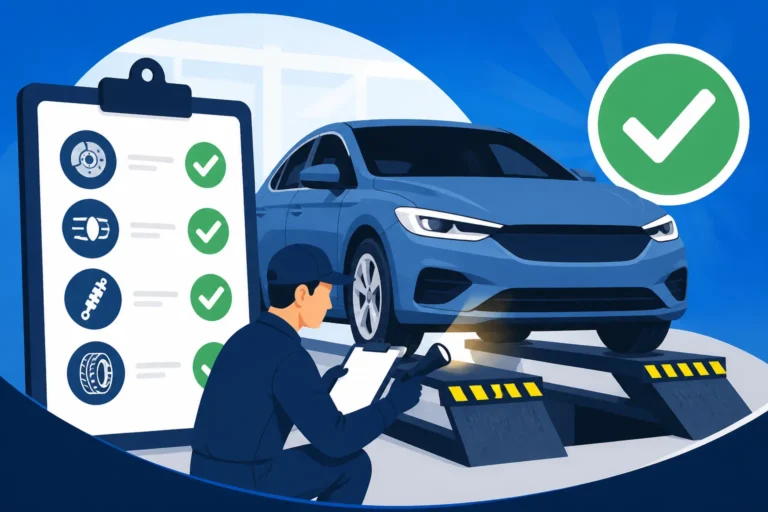
- Technical Inspection (Badanie Techniczne): Your car must undergo a technical inspection at a certified diagnostic station (Stacja Kontroli Pojazdów) in Poland. This is non-negotiable, even if it has a recent foreign inspection. They will issue a zaświadczenie o pozytywnym wyniku badania technicznego (certificate of positive technical inspection result). This process is quite thorough, and you’ll want to be sure your vehicle is in good shape. More on this in Understanding the Annual Vehicle Inspection (Przegląd Techniczny) in Poland.
- Proof of Insurance (OC): You cannot register a car in Poland without mandatory third-party liability insurance (OC – Odpowiedzialność Cywilna). You'll need to purchase a policy from a Polish insurer before completing the registration. This insurance needs to be active from the moment the car is registered to you.
Other Supporting Documents and Requirements
Don't forget these seemingly minor, but absolutely crucial, details.
- Sworn Translations: Any official document not issued in Polish must be translated by a sworn translator (tłumacz przysięgły) recognized in Poland. This includes your foreign vehicle registration, purchase agreement (if in a foreign language), and any customs documents. Photocopies are usually fine, but bring originals just in case. Don't skimp on this; a mistranslation can cause significant delays.
- Application Forms: You’ll need to fill out a specific application for vehicle registration (Wniosek o rejestrację pojazdu). These are typically available at the Urząd or online.
- Payment Confirmation: Proof of payment for all relevant taxes and fees, including vehicle tax, recycling fee (for some older imports), and the registration fees themselves. This might involve visiting a bank or post office beforehand. Our comprehensive guide on The Complete Guide to Taxes in Poland for Expats (2027) can provide further context on potential tax implications.
Navigating the Urząd: Step-by-Step Registration Process
Once your paperwork is a neat stack of translated, stamped, and original documents, it's time for the main event: the visit to the Wydział Komunikacji (Department of Communication). This department is usually located within your local Starostwo Powiatowe (District Office) or, in larger cities, the Urząd Miasta (City Hall).
Step 1: The Initial Visit and Temporary Registration
Your first stop at the Wydział Komunikacji will likely result in a temporary registration, especially if you're importing a vehicle or buying a used one that needs new plates.
- Gather Your Documents: Double-check every single document from the list above. It’s always better to have too much than too little. Organize them logically – identity, vehicle ownership, technical, insurance, translations.
- Book an Appointment (If Possible): Many Urzędy now offer online appointment booking, which can save you hours of waiting. Check your local Urząd’s website. If not, prepare for a queue, especially in larger cities like Warsaw or Krakow.
- Submit Your Application: Present your application form and all supporting documents to the official. They will scrutinize everything. This is where the language barrier can hit hardest, so again, a Polish speaker or a prepared list of key terms can be invaluable.
- Temporary Plates and Permit: If all documents are in order, the Urząd will typically issue you temporary registration plates (tablice tymczasowe), a temporary registration permit (pozwolenie czasowe), and a sticker for your windshield. These are valid for 30 days. This allows you to legally drive the car while your permanent documents are being processed. This is also when you'll pay the initial registration fees.
Step 2: Permanent Registration and Final Documents
After your temporary permit is issued, the Urząd will process your application for permanent registration. This typically takes a few weeks, sometimes longer depending on the specific Urząd’s workload.
- Wait for Notification: You'll usually receive an SMS notification or a phone call when your permanent registration documents and plates are ready for collection. Sometimes, you might just have to track the status online or call them yourself. Patience is key here.
- Collect Permanent Documents: Return to the Wydział Komunikacji to pick up your permanent registration certificate (dowód rejestracyjny) and new, permanent license plates (tablice rejestracyjne). You will also receive the control sticker for your windshield (naklejka kontrolna). Remember to bring your temporary permit and plates, as you'll need to hand those back.
- Affix New Plates and Sticker: Immediately replace the temporary plates with your new permanent ones and affix the control sticker to your windshield. Ensure it's visible and correctly positioned. The temporary permit is exchanged for the permanent one.
- Update Your Insurance: Inform your insurance provider that you have received your permanent registration documents and new plates. They will update your policy with the final vehicle details. This ensures everything is legally sound.
Important Considerations and Potential Pitfalls
Even with a clear step-by-step guide, the road to car registration in Poland can have its bumps. Being aware of common issues and extra costs can save you from unpleasant surprises.
Costs Involved: Beyond the Sticker Price
Registering a car in Poland involves several fees and potential taxes that can add up. It’s not just the purchase price; you need to budget for the administrative process itself.
- Registration Fees: These are standard and cover the issuance of new plates, the registration certificate, and the control sticker. As of my last check, these typically amount to around PLN 160-200.
- Technical Inspection Fee: The mandatory badanie techniczne (technical inspection) has a fixed cost, usually around PLN 99-150, depending on the type of vehicle.
- Sworn Translation Costs: This can vary significantly depending on the volume of documents and the translator's rates, but expect to pay anywhere from PLN 50-150 per page. A full set of foreign vehicle documents might cost a few hundred złoty to translate.
- Excise Tax (Akcyza): For imported cars, especially those with larger engines (over 2000cc), excise tax can be substantial. For cars with engines 2000cc or less, it's 3.1% of the car's value. For engines over 2000cc, it jumps to 18.6% of the value. This is a significant cost to factor in for certain imports.
- Recycling Fee (Opłata recyklingowa): This fee, around PLN 500, used to apply to all imported vehicles but has largely been abolished for vehicles imported from EU/EEA countries. It might still apply to certain non-EU imports or specific vehicle types, so always check current regulations.
Dealing with a Used Car Purchased in Poland
If you buy a used car from another individual in Poland, the process of changing ownership is often less complex than full registration from scratch, but it still requires diligence.
- Purchase Agreement (Umowa Kupna-Sprzedaży): Ensure this document is legally sound, clearly states the buyer and seller details, vehicle information (VIN, make, model, year, license plate), purchase price, and date. Both parties must sign it.
- PCC Tax: Within 14 days of purchase, you must pay the Civil Law Transactions Tax (PCC – Podatek od Czynności Cywilnoprawnych), which is 2% of the vehicle’s market value. This is paid at the Urząd Skarbowy (Tax Office) using a PCC-3 form. Without proof of this payment (or exemption), you cannot complete the car registration transfer.
- Transfer of Ownership: With the purchase agreement, the previous owner’s dowód rejestracyjny, and karta pojazdu (vehicle card, if issued), along with proof of PCC payment, you go to the Wydział Komunikacji to register the change of ownership. You'll get a temporary permit, and then a new dowód rejestracyjny issued in your name. If the car has Polish plates, you might be able to keep them, saving a small fee.
Language Support and Online Resources
Don't underestimate the challenge of the language barrier. If your Polish is not fluent, consider these options:
- Bring a Polish Speaker: A friend, colleague, or even a local acquaintance who can translate for you in real-time can make a huge difference during your visit to the Urząd.
- Professional Translators: For complex issues or if you need to be absolutely sure of understanding, hiring a professional sworn translator to accompany you is an option, though it comes at a cost.
- Online Tools: Use online translation apps on your phone to understand forms or basic questions. Having a reliable data connection, perhaps using an Airalo eSIM, will be essential here for quick lookups.
- Urząd Websites: Many Urzędy in larger cities have English sections on their websites with basic information, though specific forms are almost always in Polish. Check your local Urząd Miasta or Starostwo Powiatowe website. Some offices also provide information leaflets in multiple languages.
Remember, the goal is to get you safely and legally on the road. While the process of registering a car in Poland as a foreigner can test your patience, methodical preparation and a realistic outlook on the administrative steps will get you there. Eventually, you’ll have those Polish plates and the freedom to explore this beautiful country. And if you're looking to exchange your foreign driving license, our guide on How to Exchange Your Foreign Driving Licence in Poland can help you with that next step!
Disclaimer
The information provided in this guide is for general informational purposes only and does not constitute legal or professional advice. While we strive to keep the information up-to-date and accurate, regulations and procedures in Poland can change frequently. It is always recommended to verify the latest requirements with the relevant Polish authorities (e.g., your local Urząd Komunikacji, Urząd Skarbowy, or Urząd Celny) or consult with a qualified legal or tax advisor for advice tailored to your specific situation.