How Do I Validate My Nursing Qualification in Poland?
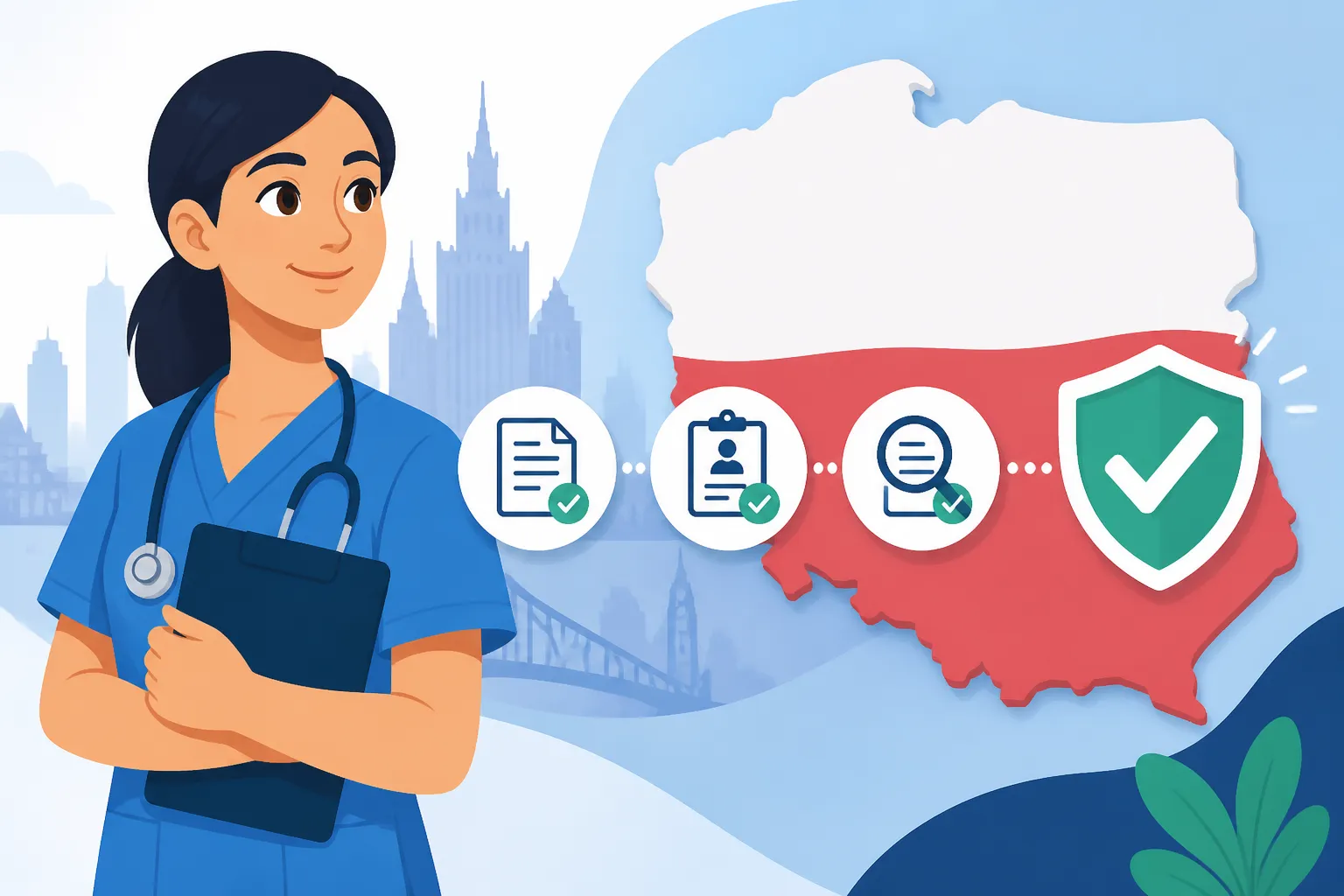
Alright, fellow expats, let's talk about something truly challenging but incredibly rewarding: getting your nursing qualifications recognized here in Poland. If you’ve dreamed of continuing your vital work in healthcare but are staring at the seemingly impenetrable wall of Polish bureaucracy, you're not alone. This guide is here to help you understand the process, known as nostryfikacja, and navigate the twists and turns to finally practice your profession in this beautiful country.
Navigating the Polish Nursing Landscape and Regulatory Maze
Stepping into the healthcare system of a new country is always a bit like learning to walk again, isn't it? Everything feels different, from the terminology to the very structure of how things operate. For nurses, this isn't just about cultural adjustment; it’s about professional accreditation. Before you even think about applying for jobs, you need to understand the lay of the land, especially the gatekeepers of your profession here.
Understanding the Polish Nursing Profession and Its Oversight
First things first, it's crucial to grasp that nursing in Poland, much like in many other European countries, is a highly regulated profession. It’s not simply a matter of presenting your diploma and hoping for the best. The primary authority you'll be dealing with is the Naczelna Izba Pielęgniarek i Położnych (NIPiP), which translates to the National Chamber of Nurses and Midwives. This is the professional self-governing body that sets the standards, maintains the professional register, and ultimately grants the right to practice as a nurse or midwife in Poland.
Unlike some countries where individual institutions might handle parts of the recognition, here NIPiP holds the key. They are responsible for ensuring that foreign qualifications meet Polish educational and professional standards. This means they will meticulously compare your curriculum, the duration of your studies, and the scope of your practical training with what is required for a Polish-qualified nurse. It's a thorough process, designed to protect both the profession and, most importantly, patient safety. You might feel a bit frustrated by the level of detail they require, but try to remember it's all part of upholding high standards in healthcare.
Initial Hurdles: Degree Recognition vs. Right to Practice
Now, here's a distinction that often trips up newcomers and can lead to a lot of wasted time and effort if you're not aware: the difference between degree recognition and the right to practice. You might successfully get your university diploma nostryfikowany (recognised) by a Polish university – which essentially means they declare your foreign degree equivalent to a Polish one. While this is a good step, it does not automatically give you the right to practice nursing.
The right to practice comes exclusively from the NIPiP. Think of it this way: the university confirms your academic achievement, but NIPiP confirms your professional competence and legal standing to work as a nurse. Many expats have gone through the university nostryfikacja only to realise they still have a separate, and often more complex, process to go through with the NIPiP. It’s vital to focus your energy on the NIPiP requirements from the outset, as their decision is the one that truly matters for your career here. This dual process can be bewildering, but understanding it early can save you a lot of headaches.
The Step-by-Step Nostryfikacja Process for Nurses in Poland
Once you’ve wrapped your head around the regulatory bodies, it’s time to dive into the nitty-gritty of the application itself. This isn't a race; it's a marathon, and preparation is your best friend. The process is detailed, demands precision, and will test your patience, but it is absolutely achievable.
Making Initial Contact and Understanding Requirements
Your first proactive step should be to directly contact the NIPiP or, more specifically, the Regional Chamber of Nurses and Midwives (Okręgowa Izba Pielęgniarek i Położnych) in the voivodeship (region) where you intend to work or reside. Each regional chamber follows national guidelines but can sometimes have slight local nuances in their preferred application format or specific documents. Don't rely solely on outdated forums or general information online. Get the most current list of required documents and procedures straight from the source.
They will usually provide you with an application form and a comprehensive list of what you need. This initial inquiry is also a good opportunity to ask about any specific challenges related to your country of qualification or to clarify any ambiguous points. Be prepared for a language barrier here, as not all administrative staff will be fluent in English. Having a Polish-speaking friend or engaging a professional translator for these initial calls and email exchanges can be invaluable. It also helps to understand How to Get Your PESEL Number and Why It Matters for Healthcare]) as this will be a foundational step for nearly any administrative process in Poland, including professional registration.
Application Submission, Verification, and Assessment
With your checklist in hand, the real work begins: gathering and preparing all your documents. This phase often involves a substantial amount of legwork, from obtaining official transcripts and course descriptions from your previous institutions to securing certificates of good standing. Once you've compiled everything, you'll submit your application packet to the regional NIPiP. This is not the time for casual submission; ensure every page is organised, clearly labelled, and meets their exact specifications.
The NIPiP committee will then meticulously verify your documents and assess whether your education and professional experience align with Polish standards. This is where the curriculum comparison truly comes into play. They are looking for equivalency in both theoretical knowledge and practical hours. They might even request supplementary information or an interview. This assessment period can vary wildly, sometimes taking several months. During this time, it's wise to continue refining your Polish language skills; platforms like iTalki can be excellent for finding tutors who can help with conversational Polish or even specialized medical terminology, which will undoubtedly be beneficial for any eventual interview or supplementary courses.
Navigating Supplementary Education or Practical Training
Here's where many foreign-trained nurses find themselves facing an unexpected hurdle: the possibility of needing supplementary education or practical training. If the NIPiP committee determines that your qualifications do not fully meet Polish standards – perhaps you had fewer clinical hours in a certain specialty, or your theoretical modules differed significantly – they may require you to complete additional courses or an internship. This isn't a rejection but a conditional approval, an opportunity to bridge any gaps.
These supplementary requirements could range from a few extra modules at a Polish nursing school to a full practical internship under supervision in a hospital. This can be time-consuming and sometimes costly, but it is a necessary step to ensure you are fully prepared for the Polish healthcare environment. Embrace it as an opportunity to gain valuable local experience and network within the Polish system. It's an investment in your future career here. Remember, understanding Public vs Private Healthcare in Poland: Which Should Expats Choose?]) can also give you context for where you might eventually work.
Essential Documents and Overcoming Language Barriers
The bureaucratic burden of document collection and translation is arguably the most frustrating part of this entire process for many expats. It’s where attention to detail really pays off and where a lack of preparation can lead to significant delays.
Core Documents and Their Preparation
You'll need an extensive portfolio of documents. While the exact list can fluctuate, here's a general overview of what you should anticipate:
- Original Diploma and Transcripts: This includes your nursing degree, any specialisations, and detailed records of all courses taken, credit hours, and grades.
- Professional Experience Certificates: Letters from previous employers detailing your roles, responsibilities, and duration of employment. These should ideally be on official letterhead.
- Certificate of Good Standing: A document from the professional regulatory body in your home country (or previous country of practice) confirming that you are licensed, in good standing, and have no disciplinary actions against you.
- Health Certificate: Proof that you are medically fit to practice, often requiring specific tests from a Polish occupational doctor once you are in Poland.
- Criminal Record Check: An official document from your home country (and any country you've resided in for a significant period) confirming a clean criminal record.
- Proof of Identity: Your passport or national ID card.
- PESEL Number: As mentioned earlier, this is critical for almost all administrative tasks. If you don't have one yet, make sure you understand What Documents Do I Need to Get a PESEL in Poland?]) and prioritize obtaining it.
- Marriage/Birth Certificates: If your name on your diploma differs from your current legal name, you’ll need documents proving the change.
Each document needs to be the original or a certified true copy. Photocopies will almost certainly be rejected.
The Challenge of Sworn Translations
Here’s a crucial point that cannot be overstated: all foreign documents must be translated into Polish by a sworn translator (tłumacz przysięgły). You cannot just use any translator, no matter how good they are. A sworn translator is officially appointed by the Polish Ministry of Justice and their translations carry legal weight. This is non-negotiable. The costs can add up quickly, especially for lengthy transcripts and detailed course descriptions. Budget accordingly!
Finding a sworn translator can be done through the Ministry of Justice's official list or by asking for recommendations from other expats or professional agencies. Be prepared for them to ask for the original documents to verify authenticity before translating. This step alone can be a source of immense frustration and delays if not handled properly. Double-check every single translation for accuracy, especially medical terms, as even small errors can cause big problems.
Proving Polish Language Proficiency
This is often the biggest barrier for non-Polish speakers, and rightly so. To ensure patient safety and effective communication within a healthcare team, you must demonstrate a certain level of Polish language proficiency. While specific requirements can vary, generally, a B1 or B2 level is expected, especially for direct patient care roles. For more advanced or leadership positions, a C1 level might be preferred.
You’ll typically need to provide an official certificate of Polish language proficiency, usually obtained by passing a state examination. These exams test reading, writing, listening, and speaking skills. There are various centres in Poland and abroad that offer these exams. If you’re not there yet, start learning Polish now. Immersion is fantastic, but structured lessons are essential for passing these formal exams. As noted, platforms like iTalki can connect you with tutors for one-on-one lessons, helping you focus on the vocabulary and grammar needed for the exam, and even practicing medical conversations. Without this language proficiency, your application, no matter how perfect your other documents, will likely be rejected or put on hold. It’s a core component for any expat considering The Complete Guide to Working in Poland as a Foreigner (2027).
Practical Tips for a Smoother Validation Journey
After years of living through Polish bureaucracy, I’ve picked up a few tricks and learned some hard lessons. These practical tips are born from that experience, hoping to make your journey just a little bit smoother than mine was.
The Virtues of Patience and Perseverance
If there's one piece of advice I can give you, it's this: cultivate patience. The administrative processes in Poland, particularly those involving professional qualification recognition, are rarely swift. You might face long waiting times, multiple requests for additional documents (often after you thought you had submitted everything), and sometimes a lack of clear communication. This is not necessarily due to malice, but simply the nature of complex bureaucratic systems. Expect delays and plan for them, both mentally and practically. Don’t burn bridges; maintain a polite, persistent, and professional demeanor, even when you feel like tearing your hair out.
Perseverance is key. Many expats get discouraged partway through the process and give up. Those who succeed are often the ones who keep pushing, keep asking questions, and keep following up. It's not a sprint; it’s a marathon where consistency and resilience truly pay off. Once you're on the other side, and working as a registered nurse, the sense of accomplishment will be immense.
Seeking Professional Help and Networking
While you can certainly tackle this process on your own, don't underestimate the value of professional help. Engaging a legal advisor specializing in immigration or professional recognition can be a game-changer. They can help you navigate complex requirements, ensure all your documents are correct, communicate with the NIPiP on your behalf (which is particularly useful if your Polish isn't strong), and generally act as your advocate. Yes, it’s an investment, but it can save you significant time, stress, and potential costly errors.
Networking with other foreign nurses who have successfully gone through this process is also incredibly helpful. Look for expat groups on social media, professional nursing forums, or local meet-ups. Their lived experiences and advice can be invaluable, offering insights into common pitfalls and effective strategies. They might also be able to recommend reliable sworn translators or legal professionals. Remember, you're part of a community here, and collective knowledge is a powerful tool. Knowing How to Find an English-Speaking Doctor in Poland]) can even give you a starting point for understanding where other foreign medical professionals practice.
| Document Type | Requirement | Notes |
|---|---|---|
| Diploma & Transcripts | Original or certified copy, sworn translation | Must detail courses, credit hours, and grades. From all relevant institutions. |
| Professional Experience | Letters from employers, sworn translation | On official letterhead, detailing roles, responsibilities, and dates. |
| Good Standing | From home country's regulatory body, sworn translation | Confirming active license and no disciplinary history. |
| Health Certificate | Polish occupational doctor's clearance | Specific tests and medical review required in Poland. |
| Criminal Record | From home country, sworn translation | May require apostille/legalisation, depending on country. |
| Language Proficiency | Official B1/B2 (or C1) Polish exam certificate | State-certified exam results are usually mandatory. |
| Identity & PESEL | Passport, PESEL number | PESEL is fundamental for all administrative tasks. |
| Marriage Certificate | If name differs on diploma, sworn translation | To prove legal name change. |
Financial Planning and Post-Recognition Steps
Be realistic about the financial commitment involved. Between application fees, sworn translation costs, potential supplementary courses, and living expenses during the recognition period (which might be unpaid), it all adds up. Create a detailed budget and ensure you have sufficient funds to support yourself and your family throughout this process. Don't forget to factor in the financial implications once you start working. Understanding The Complete Guide to Taxes in Poland for Expats (2027) is paramount. Polish tax rules, especially for professionals, can be complex, and getting this right from day one will save you a lot of future headaches.
Once you finally receive that coveted decision from NIPiP granting you the right to practice, the journey isn't quite over. You'll need to formally register with the relevant regional chamber, obtain your professional license, and potentially look into setting up your healthcare contributions, such as through the National Health Fund (NFZ). You might also consider exploring various employment options, from public hospitals to private clinics. Understanding Private Clinics and Medical Centres in Poland]) can help you weigh your options.
It's a huge step to finally have your qualifications recognized, and then the job search and integration into the Polish healthcare system begins. Whether you aim for a general position or specialize, Poland's healthcare sector is always in need of dedicated professionals, and your efforts to get here will be deeply appreciated.
Disclaimer
The information provided in this guide is for general informational purposes only and does not constitute legal, financial, or professional advice. While we strive to keep the information up-to-date and accurate, regulations and procedures in Poland can change rapidly. It is highly recommended to consult official sources, such as the Naczelna Izba Pielęgniarek i Położnych (NIPiP), the Ministry of Health, and qualified legal professionals in Poland for the most current and specific guidance pertaining to your individual situation. Reliance on any information in this article is solely at your own risk.