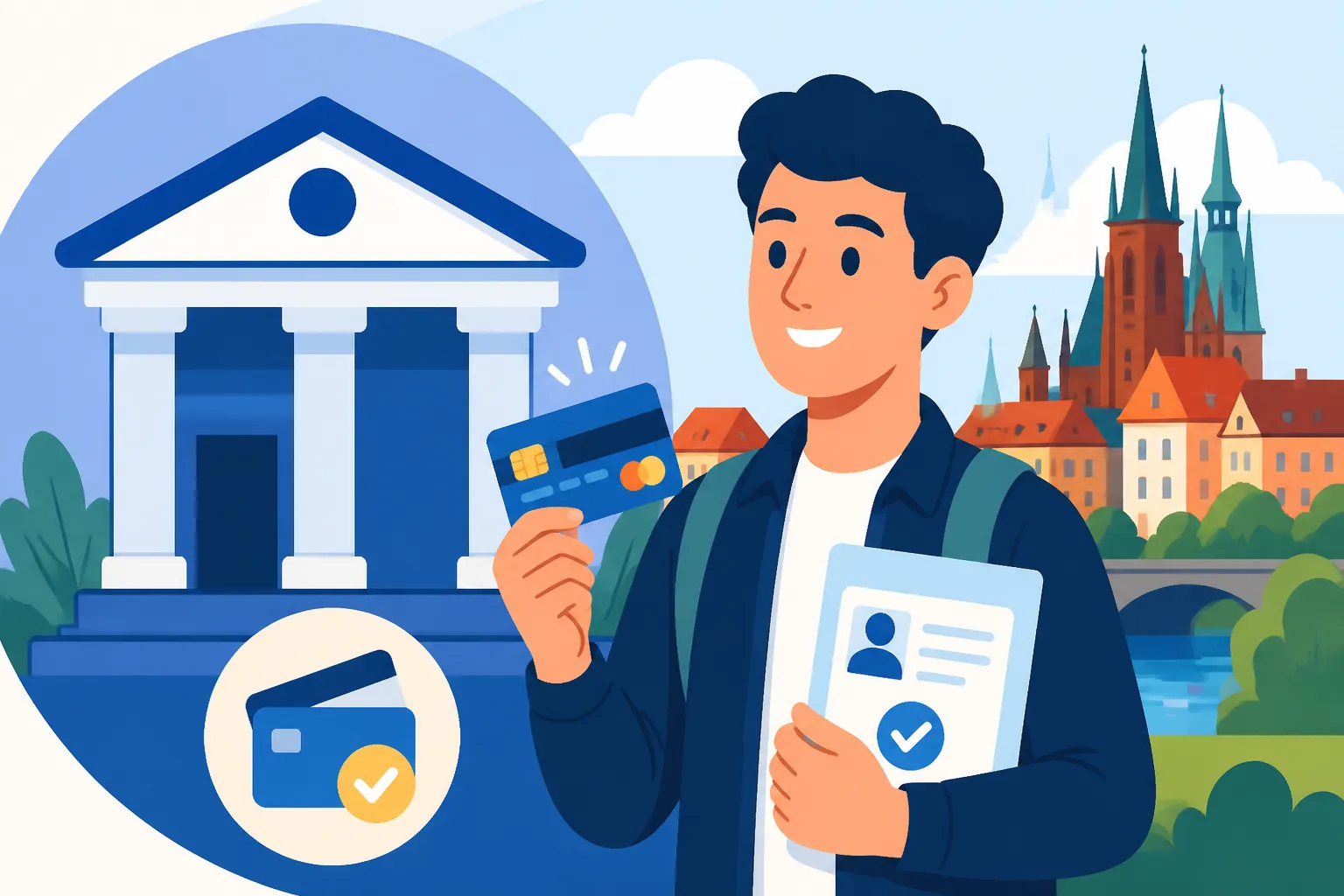
How Do I Open a Bank Account in Wroclaw as a New Resident?
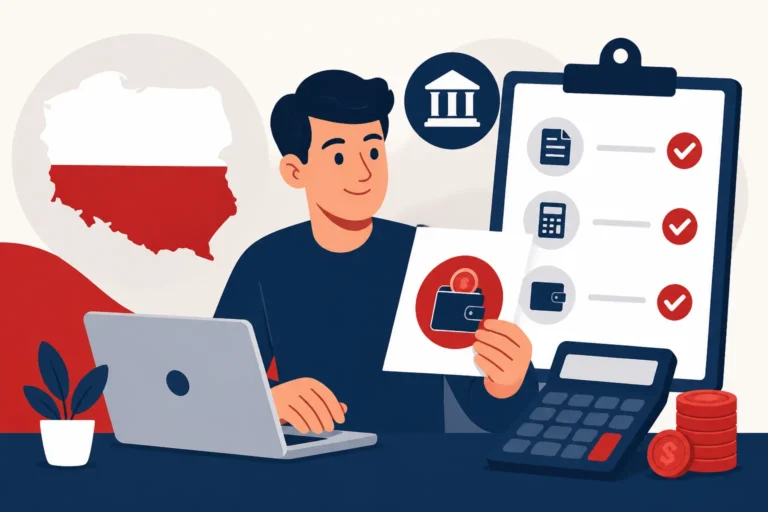
Moving to a new city, especially in a new country like Poland, comes with a mountain of tasks, and let's be honest, getting your finances sorted is usually at the very top of that "urgent but oh-so-daunting" list. Landing in Wroclaw, with its charming streets and vibrant energy, can quickly become overwhelming when you realize you need a Polish bank account just to pay for things beyond tourist transactions. This guide will walk you through the practicalities of opening a bank account in Wroclaw as a new resident, based on real expat experiences and the bureaucratic realities you'll encounter.
Why Opening a Bank Account in Wroclaw is Crucial (and a Bit of a Headache)
Alright, let's get down to brass tacks. You've just arrived in Wroclaw, maybe you've found a place, and you're starting to settle in. You might be thinking your trusty bank from back home will do, but trust me, it won't be long before you hit a wall. Polish life, from rent to utility bills to getting your salary, is deeply intertwined with a local bank account. It's not just a convenience; it's practically a necessity.
Immediate Needs for Your New Life
Think about it: your landlord in Wroclaw will expect rent payments to a Polish account. Your electricity, gas, and internet providers will send you bills that are easiest to pay via direct debit or a quick transfer from a local bank. If you've landed a job, your employer will absolutely need a Polish bank account to pay your salary. Plus, daily life, from grocery shopping to public transport tickets, is often smoother with a local debit card, especially with the prevalence of services like BLIK for quick payments. Trying to manage all this with an international card will lead to hefty foreign transaction fees and constant headaches. It's truly one of the first big steps to truly feeling settled here, beyond just finding a place to sleep.
Polish Banking Landscape: A Quick Overview
The Polish banking sector is pretty modern and well-developed, with many banks offering online services and mobile apps. However, the experience for an expat can vary wildly. Some banks are quite accustomed to foreigners, offering English-speaking helplines and dedicated services, while others might feel like stepping back in time to an era where paper forms and Polish-only conversations were the norm. Knowing which ones are more foreigner-friendly can save you a world of pain and wasted trips to different branches. You'll find a mix of large, established Polish institutions and international players, all competing for your business.
Essential Documents You'll Need to Gather (The Polish Bureaucracy Gauntlet)
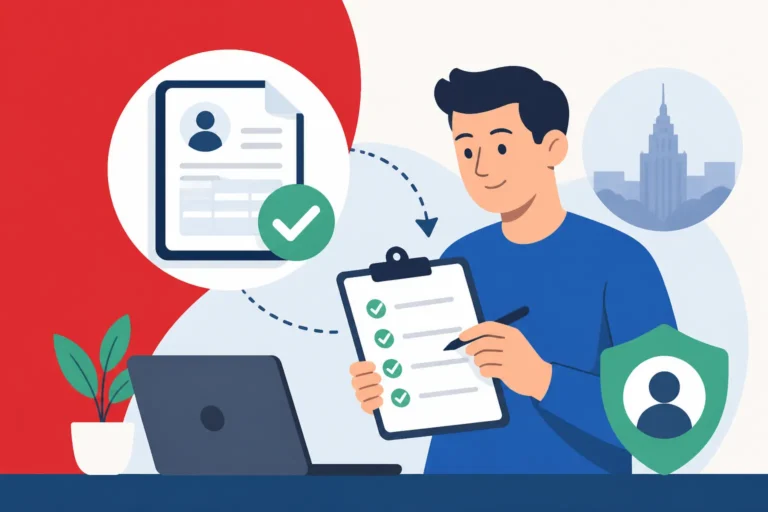
This is where many expats hit their first real snag. Polish bureaucracy, while improving, still loves its paperwork. Don't underestimate the importance of having all your ducks in a row before you even think about walking into a bank. A missing document can send you on a frustrating goose chase, so preparing thoroughly is key.
The Absolute Must-Haves
When you're trying to figure out how to open a bank account at a Polish bank as a foreigner, there are a few non-negotiable items that every bank will demand. First and foremost, you'll need a valid passport or national ID card. This is your primary form of identification. Make sure it's not expired and looks pristine.
Next up, the infamous PESEL number. This is your national identification number in Poland, and it's practically required for everything, from registering with the NFZ to, yes, opening a bank account. Many banks absolutely insist on it. If you haven't got one yet, you need to prioritize this. You might find some very specific branches or niche banks that might consider opening an account without it, especially if you're an EU citizen, but it's rare and makes life much harder. For most, having your PESEL is paramount. If you're still navigating your initial days in Poland, understanding How to Get Your PESEL Number and Why It Matters for Healthcare is a fundamental first step that will help you with banking too.
Finally, proof of address. This often stumps new arrivals. Banks need to know you actually live in Poland. This could be your rental agreement (umowa najmu), a utility bill in your name, or a confirmation of your meldunek (residence registration). If you're struggling to get a utility bill in your name right away, a notarized copy of your rental agreement is usually the safest bet. Remember, if you're trying to figure out How Do I Get a PESEL Before Renting an Apartment in Poland?, getting that PESEL is often the first domino to fall for many administrative tasks, including securing stable housing and subsequent proof of address.
Supplementary Documents That Might Be Requested
While the above are the universals, some banks, or even specific bank clerks, might ask for additional documents, especially if your situation isn't straightforward or you lack a PESEL.
- Residence Permit (Karta Pobytu) or Visa: If you're a non-EU citizen, your temporary residence permit or the visa that allowed you to enter Poland will almost certainly be required. This proves your legal right to reside in the country.
- Employment Contract or University Acceptance Letter: Sometimes, banks want to see proof of your financial stability or your reason for being in Poland. An employment contract (umowa o pracę) or an acceptance letter from a Polish university can serve this purpose. They want reassurance that you're not just passing through, especially for certain types of accounts or credit facilities.
- Tax Identification Number (NIP): While less common for basic accounts, some banks might ask for your NIP, especially if you're self-employed. For most salaried employees, your PESEL usually suffices for tax purposes, but it's good to be aware. If you're interested in How to Get a PESEL and NIP Number in Poland, that article can provide more clarity on when each is needed.
Always, always call ahead to the specific branch you plan to visit or check their official website for their exact document requirements for foreigners. Better yet, check a few banks because requirements can differ slightly, and a "no" from one bank doesn't necessarily mean a "no" from all.
Navigating the Process: Step-by-Step to Your Wroclaw Bank Account
Alright, you've got your documents ready, you're mentally prepared for a potentially long conversation, and you're ready to dive in. Here’s a breakdown of how to actually get that bank account open.
Choosing Your Bank: What to Look For as an Expat
This is a critical step, as the right bank can make your life significantly easier. As an expat in Poland, particularly in a city like Wroclaw, you should be looking for a bank that prioritizes customer service for non-Polish speakers.
- English-speaking staff: This is probably the biggest factor. Some banks have dedicated English-speaking consultants or branches specifically geared towards international clients. Even if they don't, some branches in major cities like Wroclaw will have staff who can assist in English. PKO BP, Santander, mBank, and ING are often cited as being relatively expat-friendly, with Santander and ING generally having a good reputation for English support.
- Online banking and mobile app in English: A decent banking app is a lifesaver. Most Polish banks have excellent apps, but check if the interface is available in English. This makes managing your finances, checking balances, and making transfers incredibly easy without needing to speak Polish.
- Fees and account types: Scrutinize the fee structure. Are there monthly maintenance fees? What about fees for ATM withdrawals (especially from other bank's ATMs)? What kind of account are you getting? Most expats start with a basic current account (rachunek oszczędnościowo-rozliczeniowy). Some banks offer specific expat packages, so it’s worth asking.
- Branch locations in Wroclaw: Consider where you live or work in Wroclaw. Do they have a branch conveniently located for you? While online banking handles most things, sometimes you need to visit a physical branch for more complex issues. Large shopping centers like Magnolia Park or Galeria Dominikańska often host multiple bank branches, increasing your chances of finding English-speaking staff.
For a broader perspective, you might want to look into How to Choose the Best Bank for Expats in Poland to understand the different offerings across the country.
The Application Journey: In-Branch vs. Online (and the Realities of Both)
Here's where the rubber meets the road. How you apply can significantly impact your experience.
In-Branch Application
This is often the most reliable method for new residents, especially if you're not an EU citizen or lack a PESEL right off the bat.
- Preparation: Gather all your documents (passport, PESEL, proof of address, etc.). Make sure you have photocopies of everything, just in case.
- Visit a Branch: Head to your chosen bank's branch in Wroclaw. If possible, pick one in a central area, like near the Market Square (Rynek) or in a business district, as these are more likely to have English-speaking staff. It’s a good idea to arrive early in the morning to avoid long queues, as waiting times can be notoriously long in Polish offices.
- The Conversation: Be prepared for a detailed conversation. The bank clerk will verify your identity, scan your documents, and ask you about your purpose for opening the account. They'll walk you through the account terms, fees, and services. Don't be afraid to ask questions, even if you feel like you're holding things up. It's your money, and you need to understand the terms.
- Signing the Contract: Once everything is clear, you'll sign the account agreement. It will almost certainly be in Polish, so ask for an English summary or have a translation app handy for key clauses if you’re unsure.
- Debit Card and Online Access: You'll usually receive a temporary debit card on the spot or have your permanent one mailed to your Polish address within a few days. You’ll also get details for setting up your online banking access.
The main reality check here is patience. It can take anywhere from 30 minutes to over an hour, especially if there's a language barrier or system issues. Don't plan anything immediately afterwards.
Online Application
Some banks, like mBank or ING, offer online applications. This can be tempting, but it's often more challenging for brand-new residents, especially non-EU citizens or those without a PESEL.
- The Catch: Online applications usually require a Polish PESEL, a Polish phone number, and often a stable Polish address that the bank can verify. You might also need a Polish bank account already to make an initial verification transfer, which defeats the purpose if you're trying to open your first one.
- For EU Citizens: If you're an EU citizen with a valid Polish ID (like a PESEL registration certificate), some banks might allow you to open an account using photo verification via their app. However, this is still less common for non-EU citizens without established Polish residency.
My honest advice for new residents in Wroclaw: go to a branch. It might take longer, but it dramatically reduces the chances of errors and provides immediate clarity, especially if you don't have all the standard Polish documents yet.
Activating and Using Your New Account
Once you've signed the papers, you're almost there!
- Debit Card: Your debit card will either be issued on the spot or mailed. When it arrives, you'll usually need to activate it via an ATM, the bank's mobile app, or online banking. You'll also set your PIN.
- Online Banking & Mobile App: Make sure to set up your online banking access and download the mobile app. This is crucial for managing your money daily. Polish banking apps are generally excellent, allowing you to pay bills, make transfers, and even apply for small loans directly from your phone.
- BLIK: Get familiar with BLIK. It's a hugely popular Polish mobile payment system that lets you pay in stores, withdraw from ATMs, and send money to other BLIK users using just a six-digit code from your banking app. It's incredibly convenient and widely accepted.
- International Transfers: If you need to send money abroad or receive it from your home country, familiarize yourself with your bank's international transfer fees and exchange rates. This is where many expats discover that traditional banks can be quite expensive. For those frequent international transfers, services like Wise (formerly TransferWise) offer significantly better rates and lower fees than traditional banks. It's an alternative many expats swear by for sending money home or receiving funds from abroad without getting stung by hefty bank charges.
Common Hurdles and How to Overcome Them (Learned from Experience)
Trust me, no matter how prepared you are, there's always a chance for a little Polish bureaucratic 'surprise'. But don't despair; many of us have been there, and there are ways to navigate these waters.
Language Barriers and Finding English-Speaking Support
This is probably the most frequent complaint from new arrivals. Even in a major city like Wroclaw, not every bank clerk will speak fluent English.
- Pre-call and ask: Before visiting, try calling the bank's general helpline or the specific branch. Ask if they have English-speaking staff available, and if so, when.
- Bring a Polish-speaking friend: If you have a Polish friend, colleague, or even a sympathetic language exchange partner, ask them to come along. Even if they just help with basic translation, it can smooth things over immensely.
- Translation Apps: Have Google Translate or a similar app ready on your phone. It might not be perfect, but it can help with understanding key terms on documents or clarifying questions.
- Focus on Expat-Friendly Banks: As mentioned earlier, stick to banks known for their international client services. Santander, mBank, and ING tend to have better English support options both in branches and via their helplines.
Dealing with Unforeseen Document Requests
You thought you had everything, but the bank clerk just asked for a document you've never heard of. This happens.
- Stay calm: Panicking won't help. Politely ask for clarification. What exactly is this document? Why is it needed?
- Ask for alternatives: Sometimes, there might be an alternative document you can provide. For example, if they insist on a utility bill but you only have a rental contract, explain your situation and ask if the rental contract with a specific clause about utilities might suffice.
- Consider another bank: If one bank is being excessively rigid or asking for something genuinely impossible for you to provide, don't be afraid to try another bank. Their policies or the clerk's interpretation might be different.
Remember, the goal is to open an account, not fight a battle. Be persistent but polite.
Managing International Transfers and Alternative Solutions
Once your account is open, you'll likely need to send or receive money internationally. Traditional bank wires can be surprisingly slow and costly.
- High Bank Fees: Polish banks, like many traditional banks worldwide, often charge significant fees for international transfers, both for sending and receiving. The exchange rates they offer might also include hidden markups, meaning you get less money than you expect.
- Online Transfer Services: This is where services like Wise shine. They specialize in international money transfers, offering real exchange rates and transparent, low fees. You can link your Polish bank account to Wise and send money to almost anywhere in the world, often arriving faster and cheaper than via a traditional bank. Many expats use Wise for their regular transfers home or for receiving payments from foreign clients, as it significantly cuts down on costs.
- Considering Taxes for Expats: While not directly related to transfers, once you have your Polish bank account and are earning income, understanding your tax obligations in Poland becomes paramount. Resources like Taxes for Expats can be incredibly helpful in navigating the complexities of Polish income tax and ensuring you're compliant, especially if you have foreign income or specific tax situations. Your new bank account will be where your Polish salary lands, and where you'll make any tax payments, so it’s all interconnected.
The Wroclaw-Specific Angle: Local Insights for New Residents
Wroclaw is a fantastic city, and thankfully, its banking infrastructure is generally quite good. Knowing a few local quirks can make your life easier.
Popular Bank Branches for Expats in Wroclaw
While online banking is prevalent, sometimes a face-to-face interaction is necessary, especially when you're first setting things up. In Wroclaw, you'll find major bank branches strategically located in areas frequented by expats and students.
- City Center/Rynek Area: Branches around the Main Market Square (Rynek) and Plac Solny are often larger and more likely to have English-speaking staff due to the high volume of tourists and international residents. Look for main branches of PKO BP, Santander, mBank, and Pekao S.A. here.
- Shopping Malls: Large shopping centres like Magnolia Park (near the western ring road), Galeria Dominikańska (city center), and Arkady Wrocławskie (south of the center) house multiple bank branches. These locations are convenient, often have longer opening hours, and staff are more accustomed to a diverse clientele.
- University Districts: Areas close to Wroclaw University or Wroclaw University of Science and Technology might have branches (e.g., around Grunwaldzki Square) with staff who regularly assist international students.
When in doubt, aim for a flagship branch in a high-traffic area. They tend to be better equipped to handle international clients.
Wroclaw's Expat Community and Banking Advice
Don't go it alone! Wroclaw has a vibrant and supportive expat community, both online and offline.
- Online Forums and Social Media Groups: Join Wroclaw expat groups on Facebook or other social media platforms. Ask for recommendations for specific bank branches or English-speaking consultants. Someone else has definitely gone through the exact same struggles you're facing.
- University International Offices: If you're a student, your university's international office is a fantastic resource. They often have partnerships with banks or can at least provide very specific advice on how to open an account as an international student.
- Word of Mouth: Chat with other expats you meet in person. Their firsthand experiences can save you a lot of time and frustration. They might tell you about a particular bank that's been brilliant, or one that's best avoided.
Remember, you're not the first foreigner to open a bank account in Wroclaw, and you certainly won't be the last. Lean on the collective wisdom of the expat community.
Comparing Popular Polish Banks for Expats in Wroclaw
To help you make an informed decision, here's a quick comparison of some popular banks, focusing on features relevant to new residents. Remember that specific offerings and fees can change, so always verify directly with the bank.
| Feature | PKO Bank Polski | Santander Bank Polska | mBank | ING Bank Śląski | Pekao S.A. |
|---|---|---|---|---|---|
| English Support | Moderate to Good (varies by branch) | Good (often dedicated English line) | Excellent (online & phone) | Good (online & phone) | Moderate (improving) |
| Online/Mobile App | Excellent, comprehensive | Excellent, user-friendly | Excellent, modern, expat-favored | Excellent, intuitive | Good, modern interface |
| Account Fees | Can be conditional (e.g., min. deposits) | Often conditional (e.g., min. spend) | Often free with activity | Often free with activity | Can be conditional |
| PESEL Required? | Usually yes | Usually yes | Essential for online application | Preferred, can be flexible in branch | Usually yes |
| Proof of Address | Required | Required | Required | Required | Required |
| Branch Network | Extensive (largest in Poland) | Extensive | Fewer physical branches (digital focus) | Good, modern | Extensive (second largest) |
| Expat Friendliness | Improving, but can be traditional | Highly recommended | Highly recommended | Highly recommended | Generally solid, but less expat-specific |
Disclaimer: This table provides a general overview based on common expat experiences. Specific conditions, fees, and requirements can vary by account type, individual circumstances, and current bank policies. Always confirm details directly with the bank.
Opening a bank account in Wroclaw as a new resident might not be the most thrilling part of your relocation journey, but it's an absolutely essential one. With the right preparation, a bit of patience, and knowing which banks are generally more accommodating, you'll navigate it successfully. Welcome to Wroclaw, and here's to getting your finances sorted!
Disclaimer
The information provided in this guide is intended for general informational purposes only and does not constitute financial, legal, or professional advice. While we strive to keep the content up-to-date and accurate, policies and regulations in Poland, particularly concerning banking and immigration, can change frequently. Expats and new residents are strongly advised to consult with relevant authorities, banking institutions, and professional advisors for personalized and current information tailored to their specific circumstances. We cannot be held responsible for any errors or omissions, or for any actions taken based on the information provided herein.