How Do I Declare Self-Employment Income in Poland?
Self-employment income declaration in Poland involves choosing tax systems, managing social insurance contributions, and filing annual tax returns.
Make your money work.
Banking, taxes, salary basics, payments, budgeting, and cost-of-living tips.

Self-employment income declaration in Poland involves choosing tax systems, managing social insurance contributions, and filing annual tax returns.
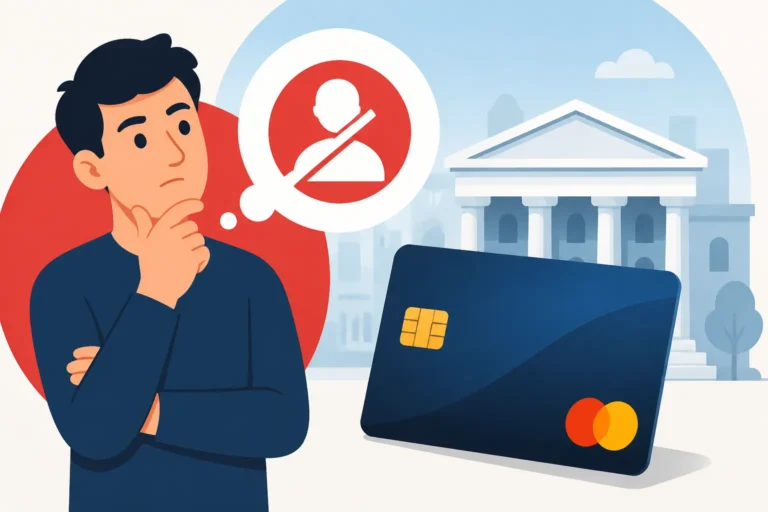
Options for obtaining a Polish debit card without residency include traditional bank branch rules and digital solutions like Wise and Revolut.

Polish tax residency determines obligations for foreign stock dividends, applying nineteen percent flat rates and double taxation treaties.

Opening a bank account in Wroclaw requires a passport, PESEL number, proof of address, and specific documents for expats.

The standard deadline for filing the annual PIT return in Poland is April 30th for most individual income forms and taxpayers.

Freelancer ZUS contributions in Poland require paying mandatory social and health insurance based on your business age and income level.
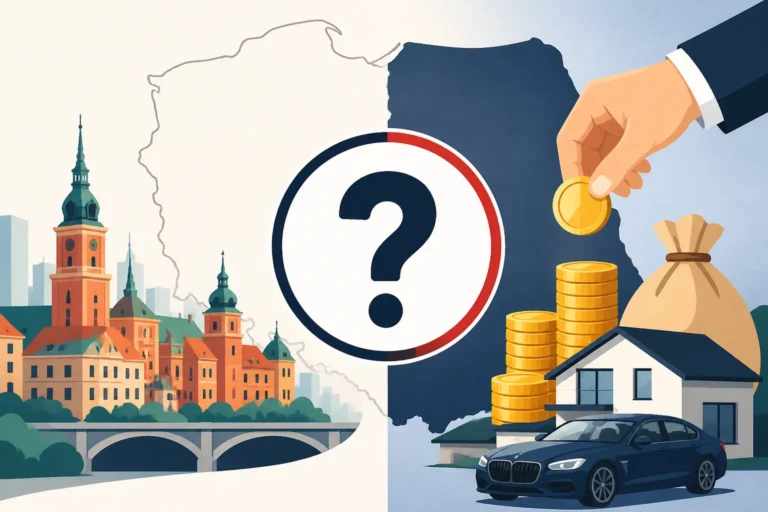
Poland lacks a direct wealth tax, but imposes property, inheritance, capital gains, and transaction taxes on certain assets.

Standing order setup at Polish banks helps expats automate recurring payments using online banking or physical branches.

Polish freelancer tax rates, social security contributions, and income setup options explained for sole proprietorships and independent professionals.

Switching banks in Poland provides expats with step-by-step guidance on researching options, opening new accounts, and migrating recurring payments.