The Expat Guide to Finding a Family Doctor (Lekarz Rodzinny) in Poland
One of the most immediate and often overwhelming challenges you'll face as an expat in Poland, right after figuring out how to buy groceries or use the tram, is nailing down your healthcare, particularly finding that crucial family doctor. It’s a completely different system from what many of us are used to, laden with bureaucratic steps, a new language, and sometimes, simply a lack of clear information. This guide is here to cut through the confusion and walk you through every step of securing your go-to general practitioner, or lekarz rodzinny, in Poland, ensuring you and your family are well cared for.
The Initial Culture Shock of Polish Healthcare
When you first arrive, the Polish healthcare system can feel like an impenetrable fortress of paperwork and unwritten rules. It’s a mix of public and private options, and knowing where to start, especially when you’re not feeling 100%, can be incredibly daunting. Many expats arrive with tales of lengthy waits, language barriers, and a general sense of being lost in translation. Trust me, you're not alone in feeling this way.
Understanding the "Lekarz Rodzinny" Concept
In Poland, your lekarz rodzinny (family doctor), also often referred to as a GP or lekarz POZ (Podstawowa Opieka Zdrowotna, or Primary Healthcare), is the gatekeeper to most of your healthcare needs. This isn't a casual relationship you develop only when you're sick; it's a fundamental part of the system. Your family doctor is your first point of contact for nearly everything, from common colds and routine check-ups to getting referrals for specialists, physical therapy, or even diagnostic tests. Without a registered lekarz rodzinny, accessing public healthcare can be incredibly difficult, often relegating you to emergency rooms or private, out-of-pocket care for even minor issues.
This concept is quite different from some countries where you might just walk into any clinic when you need a doctor. Here, you're officially registered with one specific doctor at a particular clinic (przychodnia). This doctor maintains your medical records and is responsible for your primary care. It’s about continuity of care, which sounds great in theory, but the process of actually getting registered and finding the right person can be a journey in itself. It's a system designed to funnel patients through primary care first, aiming to prevent unnecessary specialist visits, but it requires expats to actively engage with the registration process from the get-go.
Why Finding the Right GP is Crucial for Expats
For us expats, finding the right lekarz rodzinny isn't just about having someone to write a prescription; it's about having a trusted advocate who understands your needs, especially when navigating a foreign medical landscape. A good GP, particularly one who speaks English or another language you're comfortable with, can be an invaluable resource. They can explain diagnoses, help you understand the next steps in treatment, and even clarify the intricacies of the Polish healthcare system.
Imagine trying to explain complex symptoms or medical history in broken Polish, or worse, through a translation app, while feeling unwell. It's a recipe for miscommunication and anxiety. A compassionate and competent GP who can communicate effectively removes a massive layer of stress. Furthermore, a good lekarz rodzinny acts as your guide through the entire system. They're the ones who give you an e-Skierowanie (E-Referrals) Work for Specialists in Poland if you need to see a dermatologist, a cardiologist, or any other specialist. Without that referral, accessing public specialist care is virtually impossible. This makes the initial choice of your family doctor incredibly important for your long-term health and peace of mind in Poland.
Navigating the Public Healthcare System (NFZ)
The public healthcare system in Poland is run by the National Health Fund, or Narodowy Fundusz Zdrowia (NFZ). This is Poland's equivalent to national health services in other countries, and it's what you'll typically be covered by if you're employed by a Polish company, are self-employed and paying ZUS contributions, or fall under certain other categories. Understanding How Poland's National Health Fund (NFZ) Works: A Full Overview is truly step one for anyone planning to use public healthcare.
Eligibility and Registration with NFZ
So, who's actually eligible for NFZ coverage? Generally, if you're working legally in Poland and your employer is paying your social security contributions (ZUS), you are covered. This includes health insurance contributions (składka zdrowotna). If you're self-employed (Jednoosobowa Działalność Gospodarcza or JDG), you’ll be making these contributions yourself. Family members – your spouse and children – can often be registered under your insurance, provided they don't have their own coverage. The process of Registering with the NFZ in Poland: The Complete Expat Guide (2027) can feel like a quest, but it's absolutely necessary.
Once your contributions are being paid, you usually need to register yourself and any family members with the ZUS (Zakład Ubezpieczeń Społecznych), Poland's social insurance institution. For employees, your employer typically handles the initial ZUS registration. You should receive a confirmation (often a ZCNA form for family members or an RMUA report for yourself if you need proof of insurance before getting a ZUS confirmation). This document, or proof of ZUS contributions, is what you'll use to actually register with a GP at a przychodnia. It’s a circular process, and you often need one piece of paper to get the next, but persistence is key!
The PESEL Predicament and Other Bureaucratic Hurdles
Ah, the PESEL number. If you've been in Poland for more than a minute, you've probably already realized this ten-digit identification number is your key to almost everything, including healthcare. It's like your personal ID in the system. Many przychodnias (clinics) will ask for your PESEL number when you try to register with a lekarz rodzinny. Without it, things can get tricky, though not impossible in all cases – some places might accept your passport and visa/residence permit, but it's definitely smoother with a PESEL. If you don't have one yet, make sure to read How to Get Your PESEL Number and Why It Matters for Healthcare.
Beyond the PESEL, you'll encounter a fair bit of paperwork. When registering at a przychodnia, you’ll fill out a declaration form (often called a deklaracja wyboru lekarza POZ), explicitly stating which doctor you want to choose and confirming your NFZ eligibility. It's a formal choice, not just a casual sign-up. Expect to provide your passport, visa/residence card, and proof of NFZ insurance (like the ZUS ZCNA form or proof of contributions). Sometimes, especially in smaller towns, not all staff will be comfortable with English, which adds another layer of complexity. Don't be afraid to bring a Polish-speaking friend or use a translation app to ensure you understand everything you're signing.
Finding an NFZ-Affiliated Lekarz Rodzinny
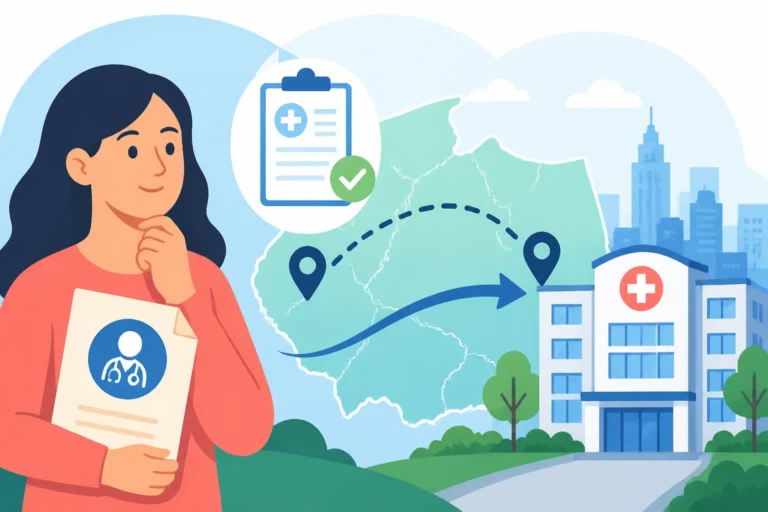
Once you've got your NFZ eligibility sorted and ideally your PESEL in hand, the next step is actually finding a clinic and a doctor who will accept you. The NFZ has an online search tool, but it's primarily in Polish and can be a bit clunky for a newcomer. A more direct approach is to identify przychodnias (clinics) in your neighborhood or close to your work. Many cities have district-based przychodnias, but you can technically choose a doctor anywhere in Poland.
When you go to a przychodnia, you need to inquire if they are accepting new NFZ patients and, crucially, if they have doctors who are comfortable treating English-speaking patients. Don't be shy about asking this directly at the registration desk, or "rejestracja." Some clinics in larger cities like Warsaw, Krakow, or Wroclaw will have dedicated English-speaking staff or doctors, especially those located in expat-dense areas. It's a good idea to call ahead or visit in person to get a feel for the place and ask about their doctors' language capabilities. Remember, you're not just finding any doctor; you're looking for one who can effectively communicate and support you through your healthcare journey in a new country.
Exploring Private Healthcare Options
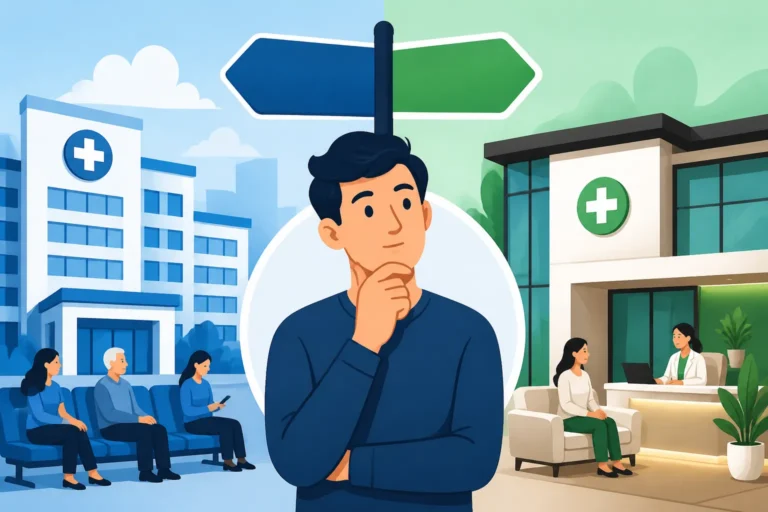
While NFZ coverage is mandatory for most employed individuals, many expats, myself included, often find themselves supplementing public healthcare with private options. This isn't necessarily because the public system is bad, but more due to factors like shorter waiting times for specialists, easier access to English-speaking medical staff, and a generally higher level of convenience. For a deeper dive into the comparison, check out Public vs Private Healthcare in Poland: Which Should Expats Choose?.
Private Medical Subscriptions (LUX MED, Medicover)
One of the most popular private options for expats in Poland is a medical subscription package from providers like LUX MED or Medicover. These aren't traditional health insurance plans that reimburse you for costs; rather, they are pre-paid subscription services that give you access to a network of private clinics, doctors, and specialists for a monthly or annual fee. Many international companies in Poland offer these subscriptions as part of their employee benefits package, which is a huge bonus. If your employer offers it, definitely take advantage!
These packages typically cover unlimited GP visits, specialist consultations (without the need for a referral from a public GP), a range of diagnostic tests, and often some basic dental or rehabilitation services, depending on the tier you choose. The main advantage is convenience: booking appointments online or through an app, shorter wait times, and a higher probability of finding English-speaking doctors. However, it’s important to understand their limitations. These subscriptions usually do not cover hospital stays, major surgeries, or very expensive treatments. For those, you'd still rely on your NFZ coverage or separate private health insurance. For a comprehensive overview, see Understanding Private Medical Subscriptions (Medicover, LUX MED) in Poland.
Pay-as-You-Go Private Clinics
If a full subscription isn't for you, or you just need a one-off consultation, pay-as-you-go private clinics are another excellent option. These clinics operate entirely outside the NFZ system, meaning you pay for each service directly. This can be a great solution if you have specific needs, prefer a particular doctor, or simply need an appointment quickly without the hassle of NFZ registration.
Most major cities have numerous private clinics, often branded under larger networks like Damian Medical Center, Enel-Med, or even smaller independent practices. The cost of a private GP consultation typically ranges from 150 PLN to 300 PLN, depending on the clinic and the city. While it’s more expensive than NFZ, the benefits often include much shorter wait times (often same-day or next-day appointments), appointments lasting longer than the typical NFZ 10-15 minutes, and a guarantee of English-speaking staff in many expat-friendly clinics. This can be particularly useful for tourists or new arrivals who haven't yet sorted out their NFZ registration. You can usually find a wealth of information online, including doctor profiles and patient reviews, to help you make an informed choice.
Understanding International Health Insurance (SafetyWing)
For some expats, especially digital nomads, freelancers, or those not covered by a Polish employer's NFZ or private subscription, international health insurance is a vital consideration. This type of insurance is designed to cover you across borders, offering flexibility and comprehensive coverage that local subscriptions might lack. Companies like SafetyWing offer plans specifically tailored for digital nomads and remote workers, providing global health coverage that includes medical expenses in Poland and when traveling.
SafetyWing, for example, offers travel medical insurance that can be purchased for short-term trips or extended stays, covering doctor visits, hospital stays, and emergency medical care. It's often seen as a good foundational layer, especially before you get fully settled or for those whose work situation is less traditional. While it's not a direct substitute for local health insurance or NFZ in terms of fulfilling residency requirements, it provides a crucial safety net for unforeseen medical emergencies and routine care for those who don't have immediate access to other systems. Always check the specific terms and conditions of any international insurance to understand what is covered, especially in relation to pre-existing conditions and routine care.
Practical Steps to Find Your Doctor
Finding a doctor in a new country can feel like detective work, but with the right approach, it becomes much more manageable. Don't be afraid to leverage all the tools at your disposal!
Online Search Tools and Directories
The internet is your friend here. Start with a simple Google search for "lekarz rodzinny [your city] English" or "English speaking GP [your city]". Many private clinics, especially in larger cities, have websites with English versions and often list the languages spoken by their doctors. Websites like ZnanyLekarz.pl (which translates to "Known Doctor") are incredibly popular in Poland. It's a vast directory where you can search for doctors by specialty, location, and even by language spoken. You can also read patient reviews, which can be immensely helpful in gauging a doctor's bedside manner and communication skills. Just be aware that most listings will be for private practice doctors.
For NFZ-affiliated doctors, the official NFZ website has a search engine, but as mentioned, it’s not always the most user-friendly for non-Polish speakers. However, it can confirm if a przychodnia is indeed NFZ-accredited. Many local city council websites (e.g., Urząd Miasta or Urząd Dzielnicy) might also list local przychodnias. When you find a promising clinic online, always double-check their address, operating hours, and if possible, call them to confirm if they accept new patients and if they have English-speaking staff.
Word-of-Mouth and Expat Communities
Never underestimate the power of fellow expats! Join expat groups on Facebook or other social media platforms specific to your city in Poland (e.g., "Expats in Warsaw," "Krakow Foreigners"). These communities are goldmines of practical advice and personal recommendations. Ask around: "Can anyone recommend an English-speaking lekarz rodzinny in [your neighborhood]?" You'll often get honest reviews, tips on which clinics to avoid, and even specific doctor names. People are usually very willing to share their positive and negative experiences, which can save you a lot of trial and error.
Beyond online groups, if you're working, ask colleagues. Many Polish companies have a diverse workforce, and your Polish colleagues might know of good doctors who are accustomed to treating international patients. If your company provides a private medical subscription (like Medicover or LUX MED), they might even have a dedicated liaison or list of recommended English-speaking doctors within their network. These personal recommendations often lead to the best experiences, as they come from people who understand the unique challenges of healthcare as a foreigner.
What to Ask During Your First Visit
Once you've narrowed down your choices and secured an appointment, whether public or private, prepare a few key questions for your first visit. This isn't just a formality; it's your opportunity to assess if this lekarz rodzinny is the right fit for you.
Here are some things you should definitely inquire about:
- Language proficiency: Reconfirm that the doctor is comfortable communicating in English (or your preferred language). It's one thing to say they speak it, another to have a full medical conversation.
- Appointment booking system: How do you make appointments? Online? By phone? Is there an English option?
- Availability: How easy is it to get a same-day or next-day appointment for urgent issues? What are their typical waiting times?
- Referral process: Clarify how they issue referrals (e-skierowanie) to specialists, how long it takes, and if they have preferred specialists who also speak English.
- Prescription refills: Understand the e-Recepta (E-Prescription) System in Poland and how you get repeat prescriptions.
- After-hours care: What do you do if you need medical advice or care outside of their regular office hours? Where is the nearest dyżur (after-hours clinic) or how do you access Emergency Medical Care in Poland: What Every Expat Needs to Know if needed?
- Test results: How are you informed of test results? Do they use the Internetowe Konto Pacjenta (IKP) platform effectively?
This initial conversation is crucial for establishing expectations and ensuring you feel confident in your choice. It's perfectly acceptable to ask these questions; it shows you're engaged in your own healthcare.
Overcoming Language Barriers and Cultural Differences
Let's be frank: the language barrier is probably the biggest hurdle for expats in Poland, especially in medical settings. While many younger Poles, particularly doctors in private practices, speak excellent English, it's not a universal guarantee. Beyond language, there are subtle cultural nuances in how healthcare is delivered and perceived that can catch you off guard.
The Importance of English-Speaking Doctors
Having an English-speaking doctor isn't just a convenience; it's often a necessity for effective medical care. As mentioned earlier, accurately describing symptoms, understanding complex diagnoses, and discussing treatment plans requires clear communication. While some smaller przychodnias or older doctors might rely on a family member or even a kind patient to translate, this is far from ideal for your own health. It’s also important to differentiate between a doctor who "speaks English" and one who is truly fluent and comfortable explaining medical jargon in a foreign language.
When searching, prioritize clinics that explicitly advertise English-speaking staff or have doctors with excellent reviews mentioning their language skills. In cities like Warsaw, Krakow, and Gdansk, it’s much easier to Find an English-Speaking Doctor in Poland due to the larger international populations. If you find yourself in a situation where your doctor doesn't speak English and no translator is available, don't hesitate to politely ask if there's another doctor at the clinic who does, or if you can bring a translator to your next appointment. Your health shouldn't be compromised by a language barrier. For short-term needs or emergencies, remember that some international health insurance providers, such as SafetyWing, also offer assistance hotlines or translation services.
Decoding Polish Medical Etiquette
Polish medical etiquette can differ from what you're used to. Doctors here tend to be more direct, and the patient-doctor relationship can sometimes feel more hierarchical than in some Western countries. Don't expect the same level of hand-holding or extensive small talk you might be accustomed to. The focus is often on diagnosis and treatment. It's not uncommon for a doctor to interrupt or be very concise, which can sometimes feel abrupt, but it's usually not meant to be rude.
Another thing to note is the general approach to medication. While self-diagnosis is not encouraged, Poles often have a good understanding of common over-the-counter remedies, and pharmacists play a more active role in advising on minor ailments. Doctors might be quicker to prescribe medication, sometimes more so than in countries with a strong "wait and see" approach. Also, don't be surprised if your doctor gives you a written note with instructions (even if they also tell you verbally); this is common practice. Being polite, respectful, and prepared with clear, concise information about your symptoms will help smooth your interactions.
Advocating for Yourself (or finding an advocate)
In any healthcare system, but particularly in a foreign one, being your own advocate is paramount. This means actively asking questions if you don't understand something, seeking clarification, and ensuring your concerns are heard. Don't feel pressured to agree to a treatment or procedure if you're uncomfortable or don't fully understand it. You have the right to ask for more information or a second opinion.
If you struggle with the language or feel overwhelmed, consider bringing a Polish-speaking friend or colleague to appointments, especially for the first few. Some larger private clinics might offer a medical interpreter service, often for a fee, which can be invaluable for critical discussions. For complex cases, you might even consider hiring a professional medical translator or an expat assistance service. Having someone who can bridge the language and cultural gap can significantly reduce stress and improve the quality of care you receive. Remember, your health is too important to be passive, even when facing a new and unfamiliar system.
What to Expect from Your Lekarz Rodzinny
Once you’ve successfully registered with a lekarz rodzinny, whether through the NFZ or a private subscription, you can start to understand what their role truly entails. They are your primary point of contact for routine care and the essential gateway to more specialized treatment.
Routine Consultations and Preventative Care
Your lekarz rodzinny is there for all your general health needs. This includes routine check-ups, managing chronic conditions (like diabetes or hypertension), addressing acute illnesses (colds, flu, infections), and providing general health advice. They will maintain your medical records, including any vaccinations, past illnesses, and current medications. During a typical consultation, the doctor will take your history, perform a basic examination, and discuss potential diagnoses and treatment options.
Preventative care is also a part of their role. They can advise on general health and wellbeing, recommend vaccinations, and guide you on screening programs appropriate for your age and sex. While the scope of preventative care might sometimes feel less comprehensive than in some Western countries, it’s still an important aspect. Don't hesitate to ask about recommended screenings or health advice if it's not proactively offered, especially if you have specific concerns or a family history of certain conditions. They are also the ones who would issue a sick note (L4) if you need time off work, a process that is very standardized in Poland.
Referrals to Specialists (e-Skierowanie)
This is one of the most crucial functions of your lekarz rodzinny in the public NFZ system: providing referrals to specialists. If your GP determines that your condition requires the expertise of a dermatologist, cardiologist, orthopedist, or any other specialist, they will issue an electronic referral, known as an e-skierowanie. This digital referral is then available in your Internetowe Konto Pacjenta (IKP) account and at any specialist clinic in the NFZ network. You can read more about How e-Skierowanie (E-Referrals) Work for Specialists in Poland.
The process with e-skierowanie has streamlined things somewhat, making it easier to manage referrals digitally. However, the catch is often the waiting times for specialist appointments in the public system, which can sometimes be long. This is a primary reason many expats opt for private medical subscriptions, where you can often see a specialist directly without a GP referral and with much shorter wait times. If you are using NFZ, your GP might be able to advise you on which clinics have shorter queues, but this isn't guaranteed.
Prescriptions and the e-Recepta System
Poland has fully embraced the electronic prescription system, called e-recepta. When your doctor prescribes medication, they will issue an e-recepta, which is linked to your PESEL number. You'll receive a four-digit access code via SMS, email, or on a printout from your doctor. To fill your prescription at any pharmacy (apteka), you just need to provide your PESEL number and this four-digit code. This system is incredibly convenient, making it almost impossible to lose a prescription. Learn all about Understanding the e-Recepta (E-Prescription) System in Poland to navigate this smoothly.
Your lekarz rodzinny is responsible for issuing most of your prescriptions, including repeat prescriptions for chronic conditions. For certain medications, especially those that are controlled or have specific restrictions, you might need to see your GP for each refill. However, for many common medications, they can issue multiple-month prescriptions. Always clarify with your doctor how long your prescription is valid for and when you should return for a follow-up or a new e-recepta. It’s a good idea to keep track of your medication needs and plan your GP visits accordingly, especially if you rely on a specific medication.
When to Consider Switching Doctors
It’s completely normal to feel a bit lost or dissatisfied with your first lekarz rodzinny choice. The beautiful thing is, you’re not stuck with them forever. You have the right to change your primary care doctor.
Signs Your Current GP Isn't a Good Fit
Recognizing when it's time to switch is important for your health and well-being. Here are some common signs that your lekarz rodzinny might not be the right match for you:
- Persistent Language Barrier: If you consistently struggle to communicate your concerns or understand the doctor's explanations, this is a major red flag. Miscommunication in medical care can have serious consequences.
- Lack of Empathy or Dismissiveness: You should feel heard and respected. If your doctor frequently dismisses your symptoms, doesn't take your concerns seriously, or makes you feel rushed, it's a sign of a poor patient-doctor relationship.
- Poor Accessibility: If it's consistently difficult to get an appointment, if waiting times are excessively long even for scheduled visits, or if the clinic's hours don't work for you, it impacts your ability to get timely care.
- Ineffective Treatment or Referrals: If you feel your health issues are not being adequately addressed, or if you're not receiving necessary referrals in a timely manner, it's worth re-evaluating.
- Uncomfortable Clinic Environment: Sometimes, it’s just the overall atmosphere of the przychodnia. Unfriendly staff, disorganized procedures, or a lack of cleanliness can all contribute to a negative experience.
Remember, finding a doctor with whom you feel comfortable and confident is key to managing your health effectively, especially as an expat in a foreign country. Don't settle if you're truly unhappy with your current care.
The Process of Changing Your Lekarz Rodzinny
Good news: changing your lekarz rodzinny in the NFZ system is relatively straightforward. You are allowed to change your primary care doctor, nurse, and midwife up to twice a year for free. If you want to change more frequently, you might incur a fee, unless the change is due to the doctor moving or retiring, or a change of address on your part.
To switch, you simply need to go to your new chosen przychodnia and fill out a new deklaracja wyboru lekarza POZ form, specifying your new doctor. The new clinic will then handle the transfer of your registration from your previous one. You don't usually need to formally inform your old clinic yourself, though it can be a polite gesture if you want to. Your medical records should be transferred electronically or physically to your new doctor. It’s always a good idea to ensure this transfer happens smoothly, so you might want to confirm with your new przychodnia after a week or two that they have received your records. This ensures continuity of care and that your new doctor has all your past medical history at their fingertips.
Here's a quick comparison of public vs. private options for GP care:
| Feature | NFZ (Public) | Private Subscription (e.g., Medicover, LUX MED) | Pay-as-You-Go Private Clinic |
|---|---|---|---|
| Cost | Covered by ZUS contributions (effectively "free" at point of use) | Monthly/Annual fee (often employer-subsidized) | Per-visit fee (e.g., 150-300 PLN per GP visit) |
| Eligibility | Must be covered by ZUS (employed, self-employed) | Anyone can purchase | Anyone can use |
| Appointment Wait Times | Can be long, especially for popular doctors | Shorter, often same-day/next-day | Shorter, often same-day/next-day |
| English-Speaking Staff | Varies greatly, less common outside big cities | Much more common | Common in expat-friendly clinics |
| Referrals | Mandatory for specialists (e-skierowanie) | Not typically required for specialists within network | Not required, but external referrals might be needed |
| Scope of Coverage | Comprehensive (including hospital, complex treatment) | Primary care, specialists, tests (limited hospital coverage) | Specific service paid for |
| Bureaucracy | Higher (PESEL, ZUS registration, forms) | Lower, online booking, often paperless | Low, often simple booking and payment |
| Flexibility | Tied to chosen clinic/doctor | Access to multiple clinics/doctors in network | Choose any clinic/doctor for each visit |
Essential Tips for Ongoing Healthcare Management
Once you've found your lekarz rodzinny, the journey doesn't end there. Proactive management of your healthcare will make your life in Poland much smoother.
Maintaining Your Internetowe Konto Pacjenta (IKP)
The Internetowe Konto Pacjenta (IKP), or Patient's Internet Account, is an invaluable digital tool for anyone using the Polish healthcare system. It's an online portal where you can access your medical history, prescriptions (e-recepta codes), referrals (e-skierowanie codes), and even schedule appointments with some clinics. Activating and regularly checking your IKP is crucial for managing your health records. You can sign in using your trusted profile (Profil Zaufany) or e-dowód (electronic ID card).
Through IKP, you can see your history of visits, diagnoses, and medications. It's also where you'll find your e-referrals for specialists, which saves you from keeping track of paper documents. You can also give specific doctors or medical facilities access to your medical data for a limited time, which is handy if you're seeing a new specialist or using a different clinic. Knowing How to Set Up an Internetowe Konto Pacjenta (IKP) Patient Account is a game-changer for digital healthcare management in Poland. Make it a habit to log in periodically to ensure everything is up-to-date and to retrieve any necessary codes or information.
Emergency Preparedness and Your GP's Role
While your lekarz rodzinny is your go-to for routine matters, it's vital to know what to do in an emergency. In life-threatening situations, you should always call 112 (the general emergency number) or 999 (ambulance). For less severe but urgent issues outside of your GP's working hours, there are designated "Night and Holiday Medical Care" (Nocna i Świąteczna Opieka Zdrowotna) clinics. These clinics provide primary care services when your regular przychodnia is closed and can handle sudden illnesses or exacerbations of chronic conditions that don't necessarily require an emergency room visit. Your GP should be able to tell you where your local Nocna i Świąteczna Opieka Zdrowotna clinic is located.
It’s a good practice to keep your GP's contact information readily available, along with the address of your primary przychodnia and any relevant insurance details, including your NFZ proof of insurance or private medical subscription card. If you have international travel insurance, such as SafetyWing, make sure you know their emergency contact details and what steps to take if you need medical care abroad or while traveling within Poland. Being prepared for emergencies means knowing the right numbers to call, where to go, and having your essential medical information accessible. A well-informed expat is a well-cared-for expat!
Disclaimer
Please remember that while this guide provides comprehensive information based on current practices in Poland, healthcare regulations and procedures can change. It is always advisable to verify specific details with official sources, such as the National Health Fund (NFZ), your local Urząd Wojewódzki (Voivodeship Office), or your chosen medical provider. This content is for informational purposes only and does not constitute medical or legal advice.