How Do I Get an IBAN for a Polish Bank Account?
The moment you land in Poland, you're hit with a whirlwind of new experiences, from navigating the public transport to trying to decipher Polish bureaucracy. One of the earliest and most persistent headaches for many of us expats is simply figuring out our finances, and right at the heart of that is the elusive IBAN. You’ve probably heard it mentioned, but getting a clear, straightforward answer on how to get an IBAN for a Polish bank account and exactly what to do with it can feel like pulling teeth. This guide is here to cut through the confusion and give you the full, realistic picture.
Understanding IBANs in Poland: What Exactly Are They?
Let's demystify the IBAN, or International Bank Account Number, because it's the bedrock of modern banking here in Poland, just like almost everywhere else in the world. For expats, this can feel like yet another acronym to add to the already long list of Polish administrative terms, but understanding it is key to managing your money. Essentially, an IBAN is a standardized international system for identifying bank accounts across borders, making sure your money goes to the right place every single time.
The Structure of a Polish IBAN
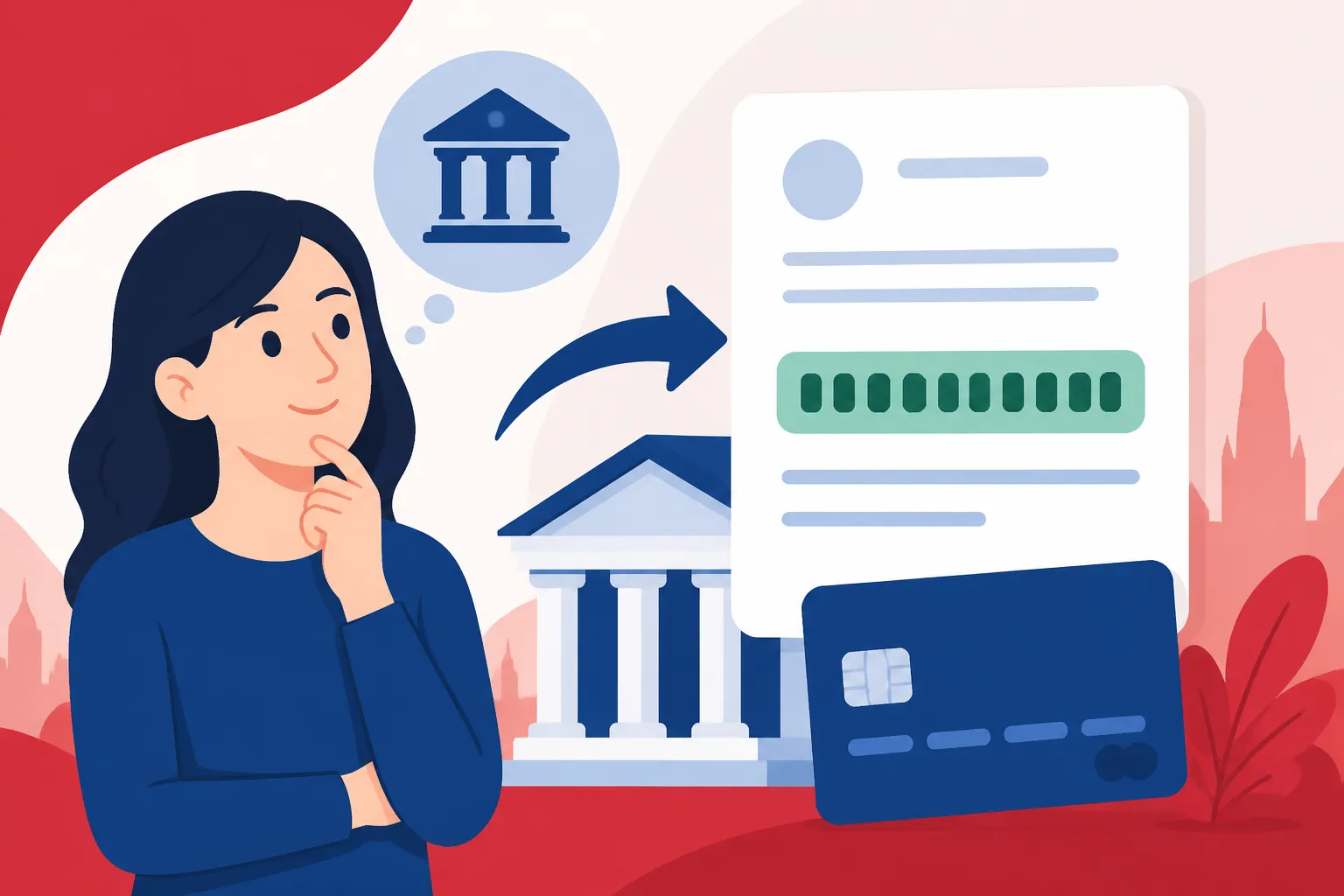
Every country has its own IBAN format, and Poland is no different. A Polish IBAN always starts with "PL," followed by two check digits, and then a 24-digit basic bank account number (BBAN). So, it looks something like PL XX YYYY YYYY YYYY YYYY YYYY YYYY YYYY. Those initial four digits after "PL" identify your specific bank, and the rest is your unique account number.
Why is this important? Well, when you're dealing with international transactions, whether it's receiving your salary from a foreign employer, sending money back home, or even paying for services like your international health insurance premiums, providing the correct IBAN is non-negotiable. An incorrect digit can mean significant delays, rejected transfers, or, in the worst-case scenario, your money vanishing into the banking ether – a scenario no expat wants to face. It's the unique identifier that allows banks globally to communicate and process transfers efficiently.
Why Your Polish IBAN is Indispensable for Expats
From the moment you start settling into life in Poland, your IBAN will become a constant companion. Your employer will need it to pay your salary, your landlord will ask for it for rent payments, and when you set up utilities, they'll want to know it for direct debits. Even for things like applying for a residence permit or dealing with the Polish tax authorities, having a fully functional Polish bank account with its associated IBAN is often a prerequisite. It’s not just a number; it's your financial passport within Poland and internationally.
Imagine trying to receive a payment from an international client for your freelance work, or perhaps your family wants to send you some financial support from your home country. Without that Polish IBAN, you're stuck. You’ll find yourself relying on less convenient or more expensive methods, adding unnecessary stress to your life. The sooner you get acquainted with your IBAN, the smoother your financial journey in Poland will be.
How to Get Your Polish Bank Account and Its IBAN
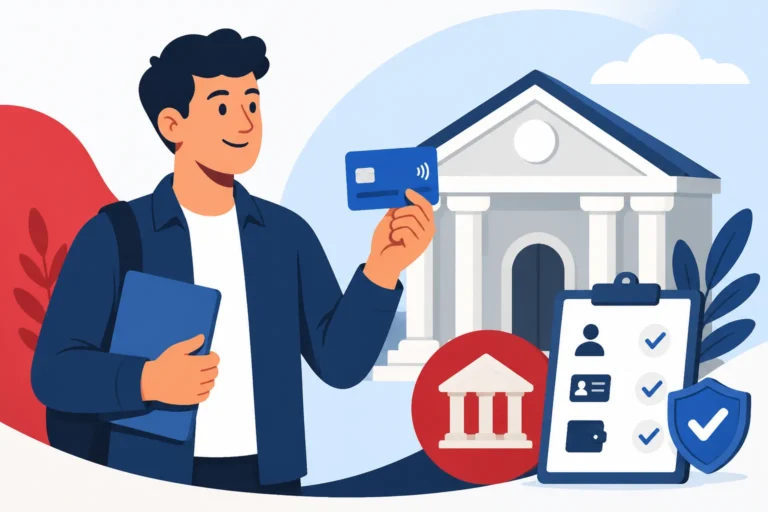
The journey to getting your Polish IBAN begins, quite logically, with opening a Polish bank account. While it might sound daunting, especially if you’re fresh off the plane, many Polish banks have become increasingly expat-friendly. However, it’s rarely as simple as walking in and walking out with a card; preparation is key.
Opening a Bank Account as a Foreigner
Navigating the process of opening a bank account in Poland can be a bit of a bureaucratic dance. You'll find that while some banks are very good with English-speaking staff and clear processes, others might require a bit more patience or even a Polish-speaking friend to assist.
Required Documents:
First things first, gather your documents. This is Poland, after all, and paperwork is king.
- Passport or National ID Card: This is your primary form of identification. Make sure it's valid for at least six months.
- PESEL Number: This is absolutely crucial. The PESEL is your national identification number, and without it, many banks won't even start the process. If you haven't got one yet, you need to prioritize this. You can find detailed guidance on How to Get Your PESEL Number and Why It Matters for Healthcare.
- Residence Permit (Karta Pobytu) or Visa: If you're a non-EU citizen, banks will almost certainly ask for proof of your legal stay in Poland.
- Proof of Address (Meldunek or rental agreement): While not always strictly required for the initial opening, many banks prefer it. A registered address (zameldowanie) is ideal, but a rental contract (umowa najmu) might suffice for some.
- Proof of Income/Employment (optional but helpful): Some banks, especially if you're looking for additional services like credit cards, might ask for an employment contract (umowa o pracę) or recent payslips to assess your financial standing. For self-employed individuals, proof of business registration might be required.
Choosing a Bank:
Poland has a robust banking sector with several major players. Many expats find good experiences with banks like PKO BP, Santander Bank Polska, ING Bank Śląski, and mBank. These often offer online banking in English and have branches in major cities like Warsaw, Krakow, and Wroclaw where you'll likely find English-speaking staff. It’s worth researching their specific expat offerings, checking out their mobile apps, and comparing fees for international transfers, as these can vary significantly.
The Application Process:
- In-Person at a Branch: This is often the most reliable way for new expats. You can speak directly with a bank representative, ask questions, and clarify any doubts. Make an appointment if possible to avoid long queues. Be prepared for some waiting time, especially in larger city branches.
- Online/Via Mobile App: Some banks now allow you to start or even complete the account opening process online or through their app. However, this is usually much easier for EU citizens with an existing Polish PESEL and zameldowanie. Non-EU citizens or those new to Poland might find this path more challenging due to identity verification requirements.
Remember, patience is a virtue when dealing with Polish bureaucracy. Don't get discouraged if the first bank you approach isn't a perfect fit or if the process takes longer than expected. It's all part of the expat adventure!
Locating Your IBAN After Account Opening
Once you’ve successfully navigated the paperwork and the friendly (or perhaps less friendly) bank teller, congratulations – you’ve got a Polish bank account! Now, the crucial next step: finding your IBAN. It’s usually readily available, but knowing where to look will save you a lot of unnecessary searching.
1. Your Online Banking Portal (Bankowość Internetowa):
This is by far the most common and convenient way to find your IBAN. As soon as your account is active and you have access to your online banking, log in.
- Account Details Section: Look for a section often labeled "Moje Rachunki" (My Accounts), "Szczegóły Konta" (Account Details), or similar. Your full IBAN will be displayed there, usually along with your bank's SWIFT/BIC code (which you'll also need for international transfers).
- Statements: You can often download a bank statement (wyciąg) which will clearly list your IBAN at the top.
Most major Polish banks offer their online banking portals in English, which is a massive relief for many expats. Setting up your How to Set Up Online Banking and BLIK Payments in Poland is one of the first things you should do after opening your account.
2. Your Mobile Banking App:
Similar to online banking, your mobile app will almost certainly display your IBAN.
- Account View: Open your account, and typically, with a tap or two on "details" or a similar button, your IBAN will pop up.
- Share Function: Many apps even have a "share" function that allows you to easily copy your IBAN or send it via message to someone who needs it, which is incredibly handy.
3. Bank Statements (Paper or Electronic):
Whether you receive paper statements in the mail (less common these days) or download them from your online portal, your IBAN will always be printed prominently on them. This is a reliable source if you can't access online banking for some reason.
4. In-Person at a Bank Branch:
If all else fails, or if you prefer face-to-face interaction, you can always visit your bank branch. A teller will be able to provide you with your IBAN instantly. Just make sure to bring your passport or ID.
Here's a quick comparison of ways to find your IBAN:
| Method | Convenience for Expats | Speed | Requires Internet | Notes |
|---|---|---|---|---|
| Online Banking Portal | High (if in English) | Instant | Yes | Most common, easy to copy, often includes SWIFT/BIC. |
| Mobile Banking App | High | Instant | Yes | Super convenient for quick checks and sharing. |
| Bank Statement | Medium | Varies | Yes (for e-stmt) | Always accurate, good for official records. |
| In-Person Branch Visit | Low (travel/wait time) | Instant | No | Reliable for any issues, language barrier possible. |
Once you have that IBAN, store it somewhere safe but easily accessible. You’ll be using it more often than you think!
Using Your Polish IBAN for International Transfers and Everyday Life
Now that you've got your Polish IBAN, it's time to put it to good use. Understanding how to use it effectively, especially for international transactions, is a game-changer for any expat living in Poland.
Receiving Money from Abroad
When someone needs to send you money from outside Poland, you'll need to provide them with two key pieces of information:
- Your Full Polish IBAN: This is the complete 28-character code, starting with "PL."
- Your Bank's SWIFT/BIC Code: SWIFT (Society for Worldwide Interbank Financial Telecommunication) or BIC (Bank Identifier Code) is an international code that identifies your bank specifically. It usually consists of 8 or 11 characters (e.g., BREXPLPW for mBank, BPKOPLPW for PKO BP). Your SWIFT/BIC code will always be listed alongside your IBAN in your online banking, mobile app, or on your bank statements.
It's absolutely critical to provide both correctly. Many international transfers, especially larger sums, rely on both the IBAN and SWIFT/BIC to ensure the funds reach the intended recipient without a hitch. While some systems might try to auto-fill or correct based on partial information, it's a huge risk. Always double-check!
Sending Money Abroad: Navigating Fees and Exchange Rates
Sending money from your Polish account to an account in another country involves your Polish IBAN, but you'll also need the recipient's IBAN and their bank's SWIFT/BIC code. This is where you need to be particularly savvy, as traditional banks can hit you with significant fees and less-than-favourable exchange rates.
- Traditional Bank Transfers: Your Polish bank will facilitate international transfers, but these often come with a transaction fee, and the exchange rate they offer might not be the market rate, meaning you effectively lose money in the conversion. Delays can also be a factor, sometimes taking several business days for the money to arrive.
- Specialized Money Transfer Services: This is where services like Wise (formerly TransferWise) truly shine for expats. Platforms like Wise specialize in international money transfers, often offering much better exchange rates and significantly lower fees compared to traditional banks. They do this by using local bank accounts in various countries, effectively turning an international transfer into two local transfers. If you’re regularly sending money home, or receiving payments from abroad in a foreign currency, using a service like Wise can save you a substantial amount of money over time. It’s worth checking them out as an alternative to your standard bank for these transactions.
Always compare the total cost – including exchange rate margins and transfer fees – before making a decision. Transparency in these costs is something traditional banks are often criticised for, while services like Wise make it a core part of their offering.
IBANs in Your Polish Everyday Financial Life
Beyond international transfers, your Polish IBAN is integral to your day-to-day financial operations within the country:
- Receiving Your Salary: Your Polish employer will need your IBAN to pay you. This is usually provided during your onboarding process.
- Paying Rent and Utilities: Most landlords and utility providers (electricity, gas, internet) will require bank transfers to their IBANs. Many will also allow you to set up direct debits (polecenie zapłaty) from your account using their IBAN.
- Paying Taxes and ZUS Contributions: If you are self-employed or need to make direct payments to the state, such as for your ZUS contributions, you will transfer funds to specific government IBANs. Understanding ZUS Health Contributions (Składka Zdrowotna) in Poland and How to Pay Taxes as a JDG Owner in Poland will involve navigating these payments. Similarly, if you are working with services like Taxes for Expats to manage your Polish tax obligations, they will certainly need your IBAN for any tax payments or refunds you might be due.
- General Purchases and Transfers: While BLIK (a popular mobile payment system) and card payments are prevalent, for larger sums or transfers to individuals, bank transfers using an IBAN are still common.
Common Pitfalls to Avoid
- Incorrect Digits: This is the most common mistake. A single incorrect digit can send your money to the wrong account or cause the transfer to be rejected. Always copy and paste your IBAN rather than typing it out if possible, and double-check it.
- Missing SWIFT/BIC: For international transfers, forgetting the SWIFT/BIC code can lead to significant delays or even cancellation of the transaction.
- Currency Conversion: Be aware of the currency you are sending or receiving. If there's a conversion involved, understand the exchange rate and any associated fees.
Knowing your IBAN and how to use it correctly is fundamental to a smooth financial existence in Poland. It connects you to the local financial system and the global one, empowering you to manage your money effectively, no matter where it's coming from or going to.
Disclaimer
Please note that the information provided in this guide is for general informational purposes only and does not constitute financial, legal, or professional advice. While we strive to keep the information up-to-date and accurate, banking regulations, fees, and requirements in Poland can change. It is always recommended to verify specific details with your chosen bank or a qualified financial advisor.