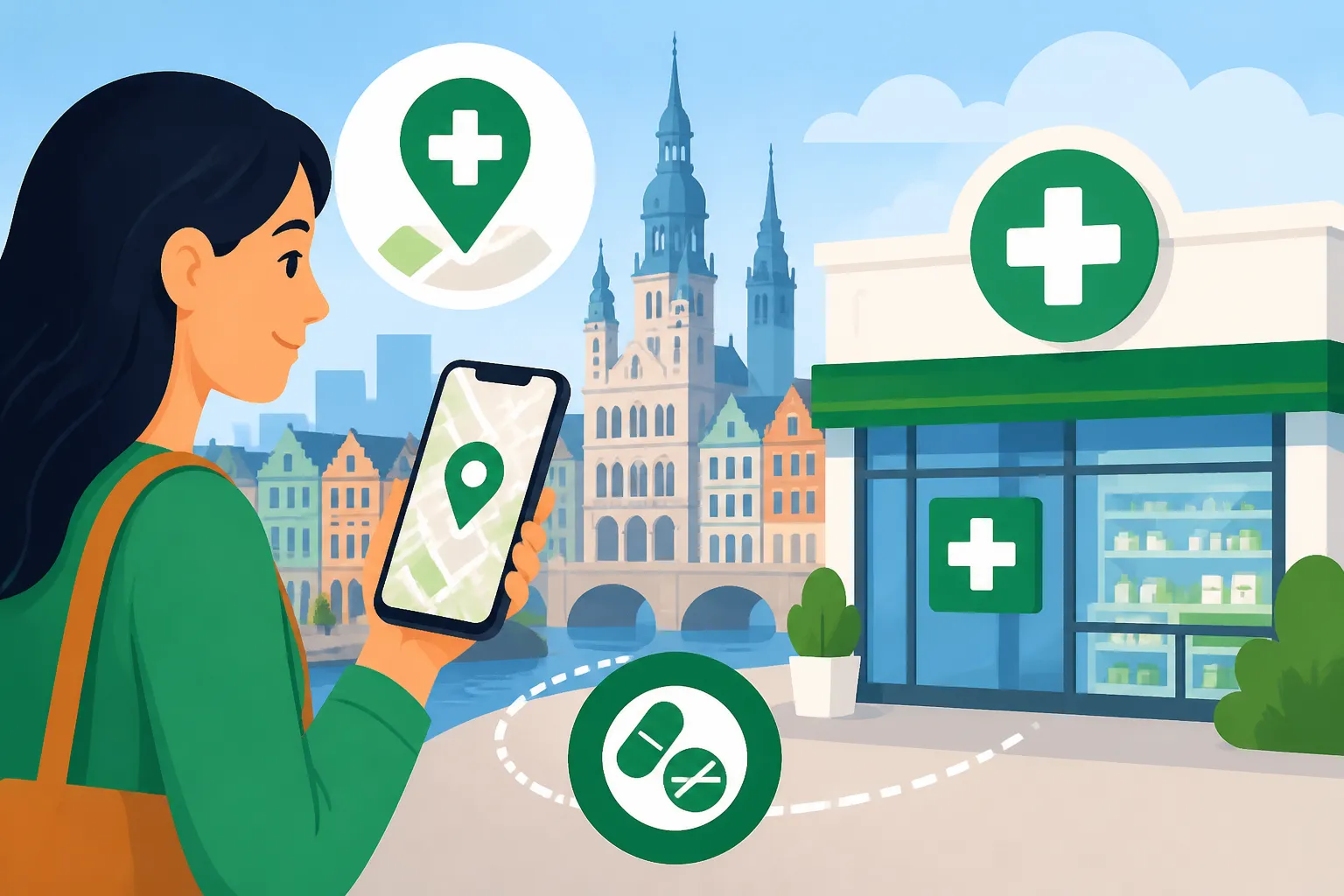
How Do I Find a Pharmacy (Apteka) Near Me in Poznan?
Landing in a new city like Poznań, especially as an expat, can be an exhilarating adventure, full of new sights and sounds. But let's be real, nothing quite throws a wrench into that excitement like suddenly needing a pharmacy and having no clue where to find one. The stress of being unwell in an unfamiliar place, coupled with language barriers, can feel overwhelming. This guide is here to cut through that anxiety, offering a comprehensive, street-smart approach to locating and navigating pharmacies (apteka) in Poznań, ensuring you can get the help you need, when you need it.
Understanding the Apteka Landscape in Poznań
When you're feeling under the weather or simply need some paracetamol, the last thing you want is a scavenger hunt for a pharmacy. Thankfully, once you know what to look for, you'll find Poznań is well-equipped with these essential healthcare points. It's not just about finding a building with a green cross; it's about understanding the different types and what they offer.
The Ubiquitous Presence of Aptek
Pharmacies, or apteka in Polish, are a common sight across Poznań, from bustling city centers to quieter residential districts. You’ll usually spot them by the green cross symbol, which often lights up at night, acting as a beacon of hope when you're feeling miserable. Many aptek are standalone shops, sometimes tucked away on a side street, but a significant number are also conveniently located within larger shopping centers or near medical clinics. Think of places like Posnania, Stary Browar, or Avenida – these major shopping hubs often house well-stocked pharmacies, making it easy to combine your prescription pick-up with other errands.
These pharmacies are generally modern, clean, and well-organized. You’ll find a mix of independent pharmacies and popular chains. Names like Gemini Apteka, Apteka Dr. Max, and Ziko Apteka are widely recognized across Poland and have a strong presence in Poznań. They tend to offer competitive prices and a broad selection of products. While the overall experience might feel a bit different from back home – for instance, you often have to ask a pharmacist at the counter for specific medications rather than browsing aisles for everything – the core function remains the same: providing essential health products and advice. Don't be shy about approaching the counter and trying your best Polish or English; pharmacists here are generally very helpful.
Identifying "Apteka Całodobowa" and "Apteka Nocna"
One of the most crucial pieces of information for any expat is knowing where to go when that headache strikes at 2 AM or your child develops a fever on a Sunday. This is where apteka całodobowa (24-hour pharmacy) and apteka nocna (night pharmacy) come into play. These are lifesavers for after-hours emergencies or unexpected health issues. While not every neighborhood will have a 24/7 apteka right on its doorstep, most major cities like Poznań ensure there's always one accessible, especially in central areas or near hospitals.
Finding these specialized pharmacies usually involves a quick online search, which we'll cover in the next section. However, you might also spot signs on regular pharmacies indicating their dyżur (on-call duty) schedule, directing you to the nearest open apteka after hours. These night pharmacies operate on a rotating schedule, so the one that's open tonight might not be open tomorrow night. This system, while sometimes a bit of a puzzle for newcomers, ensures constant access to medications. Knowing this distinction is vital, as showing up to a closed pharmacy when you're desperate for relief is a truly frustrating experience we've all encountered at some point. It’s always a good idea to identify at least one apteka całodobowa in your vicinity shortly after moving in, just for peace of mind.
Practical Ways to Locate a Pharmacy Near You in Poznań
Finding a pharmacy in Poznań doesn't have to be a bewildering experience. With modern tools and a bit of local knowledge, you can pinpoint the closest one in no time, whether it's the middle of the day or the dead of night.
Harnessing the Power of Google Maps and Online Tools
In our digital age, your smartphone is arguably your most powerful tool for navigating daily life in Poland, and finding a pharmacy is no exception. Google Maps is your best friend here. Simply open the app and type "apteka," "apteka Poznań," or even "pharmacy near me." The map will immediately populate with green cross icons, indicating all the nearby pharmacies. What’s even better is that Google Maps usually provides essential information like opening hours, phone numbers, and sometimes even reviews.
When you're looking specifically for an after-hours option, refine your search to "apteka całodobowa Poznań" or "24h pharmacy Poznań." This will filter the results to show you pharmacies that are currently open or will be open when others have closed. Always double-check the opening hours before heading out, as these can sometimes vary or be updated. Other online resources, such as local city portals or specialized healthcare directories, might also list pharmacies, but Google Maps is generally the most up-to-date and user-friendly option for immediate needs. While sites like ZnanyLekarz are excellent for finding doctors, they might not always be the primary tool for locating a pharmacy, so stick with the basics for a quick search.
Asking Locals and Seeking Community Advice
Before the days of smartphones, asking a local was the go-to method, and it still holds immense value, especially in a city like Poznań. Poles are generally helpful, even if there's a language barrier. A simple "Gdzie jest najbliższa apteka?" (G'jeh yest nye-blih-zhah ap-teh-kah? – "Where is the nearest pharmacy?") accompanied by a gesturing hand to indicate a query, can often get you pointed in the right direction. Shopkeepers, café staff, or even passers-by can be surprisingly accurate sources of information, especially for smaller, local pharmacies that might not be prominently listed online.
Expat communities are another fantastic resource. Facebook groups dedicated to expats in Poznań are bustling with people who have already navigated these very challenges. A quick post asking for recommendations for a 24-hour pharmacy in a specific district can yield immediate, helpful responses. Many expats are eager to share their experiences and tips, making these groups invaluable for practical advice. This peer support can save you a lot of time and frustration, and sometimes even provide recommendations for English-speaking pharmacists.
Relying on Public Transport Hubs and Shopping Centres
When you're new to Poznań and still getting your bearings, major landmarks and transport hubs are excellent reference points. Pharmacies are strategically placed for convenience, often found within or very close to large public transport hubs like Poznań Główny (main train station) or major bus terminals. These locations benefit from high foot traffic and are easy to reach from almost anywhere in the city using the extensive public transport network.
Similarly, as mentioned earlier, large shopping centers are prime locations for aptek. Areas like the Old Town (Stare Miasto) or around prominent squares are also likely to have several pharmacies. If you find yourself in need of medication while out and about, simply looking for a major shopping mall or a busy commercial street is a good starting point. These places not only offer multiple pharmacy options but also tend to have longer opening hours compared to smaller, neighborhood aptek. This approach can be particularly useful if you’re a tourist or a very new arrival without immediate access to reliable internet or local contacts.
Navigating Pharmacy Services and What to Expect
Stepping into a Polish apteka can feel a little different from what you might be used to, but understanding the system will make your experience much smoother. It's not just about picking up pills; it's about understanding the entire process, from prescriptions to payment.
Understanding Prescription vs. Over-the-Counter Medications
One of the first things you'll notice in a Polish pharmacy is that many medications that might be over-the-counter in your home country require a prescription here. This is particularly true for stronger painkillers, certain allergy medications, and antibiotics, of course. For prescription medications, Poland uses an excellent digital system called e-recepta (e-prescription). When your doctor issues a prescription, it's sent digitally to a central system. To pick it up, you'll need your PESEL number (which is crucial for pretty much all official dealings here, including healthcare), your phone number (to receive a four-digit code), and the four-digit code itself.
Simply present these details at the pharmacy counter, and the pharmacist will access your prescription. It’s quick and efficient once you get the hang of it. Having your How to Get Your PESEL Number and Why It Matters for Healthcare sorted is a real game-changer here, as it not only identifies you but also allows you to benefit from any state subsidies on medications, potentially reducing the cost significantly. If you're without a PESEL yet, it's a bit more complicated, as you'd typically need a paper printout of the e-recepta or the pharmacist would need your passport number and the code, but you'd pay the full, unsubsidized price. For over-the-counter items, you can simply ask the pharmacist. Many have a good grasp of English for common ailments. Just point, describe your symptoms, or show them the box if you know what you need. For more details on the digital prescription system, check out our guide on Understanding the e-Recepta (E-Prescription) System in Poland.
Beyond Medications: Additional Services Offered
Pharmacies in Poznań, much like elsewhere, are more than just dispensers of pills. They are often a valuable first point of contact for minor health concerns. Pharmacists are highly trained professionals who can offer advice on a range of issues, recommend suitable over-the-counter remedies, and even perform basic health checks. You can often get your blood pressure measured, and some pharmacies may offer services like basic vaccinations (e.g., flu shots) or quick diagnostic tests.
You'll also find a wide array of other products: from first aid supplies, wound care, and medical devices (like crutches or braces) to cosmetics, dermatological products, baby care items, and dietary supplements. If you've ever found yourself with a sudden blister or need a specific vitamin, your local apteka is the place to go. They can be a great resource for managing everyday health and well-being. Additionally, if you're looking for an apteka dyżurna for urgent after-hours needs, these rotating pharmacies are specifically designated to provide essential services when regular ones are closed, ensuring you're never truly without access.
Payment and Insurance Considerations
When it comes to paying for your medications in Poznań, most pharmacies readily accept both cash and card payments. For prescription medications covered by the Polish National Health Fund (NFZ), your PESEL number is key to getting the subsidized price. This means you’ll pay a lower co-payment rather than the full price. To truly understand how this works, our guide on How Poland's National Health Fund (NFZ) Works: A Full Overview delves into the specifics.
If you have private health insurance, either as a standalone policy or as part of a package from your employer (like those offered by Medicover or LUX MED), it’s important to understand that pharmacies generally do not process these directly. You’ll usually pay the full (or NFZ-subsidized) amount upfront and then claim reimbursement from your private insurer. This is a common practice, so always keep your receipts. For short-term stays, digital nomads, or new arrivals awaiting their full NFZ registration, having comprehensive travel insurance like SafetyWing is incredibly wise. While SafetyWing primarily focuses on emergency medical care and often works on a reimbursement basis, keeping your pharmacy receipts for prescribed medications will be vital for any potential claims. Understanding your specific insurance plan, whether public or private, is crucial, and our Understanding Private Health Insurance Plans in Poland article can provide a deeper dive into the options available. Don't let the potential cost scare you; overall, The Cost of Healthcare in Poland: A Complete Breakdown for Foreigners (2026) is quite reasonable compared to many Western countries.
Tips for a Smoother Pharmacy Experience in Poznań
Navigating a pharmacy in a foreign country can be daunting, but with a few proactive steps and some helpful phrases, your experience in Poznań can be stress-free.
Language Barriers and Helpful Phrases
The language barrier is a common hurdle for expats, especially when discussing medical issues. While many younger pharmacists in Poznań, particularly in larger or more central aptek, speak English quite well, it’s not guaranteed. Having a few basic Polish phrases up your sleeve can make a huge difference. Try:
- "Potrzebuję…" (Pot-zhe-boo-yeh… – "I need…") followed by the name of the medication or a description of your symptoms.
- "Bez recepty?" (Bez reh-tsep-ty? – "Without a prescription?") if you're unsure if something is OTC.
- "Czy masz [medication name]?" (Chy mash [medication name]? – "Do you have [medication name]?")
- "Boli mnie głowa/gardło/brzuch" (Boh-lee mnyeh gwoh-vah/gahr-dwoh/bzhooh – "My head/throat/stomach hurts").
Don't underestimate the power of translation apps on your phone. Google Translate or similar apps can be invaluable for quickly conveying symptoms or understanding instructions. Also, a polite demeanor and a smile go a long way. Pharmacists are there to help, and they often appreciate the effort you make to communicate, even if it's imperfect.
Keeping Essential Information Handy
To ensure a swift and efficient pharmacy visit, always have your essential documents and information readily accessible. First and foremost, your PESEL number is paramount for any prescription medication in Poland, as it unlocks the subsidized prices available through the NFZ system. Without it, you’ll likely pay full price. Our guide on The Complete Guide to Healthcare in Poland for Expats (2027) extensively covers why having your PESEL ready is critical for seamless healthcare access.
Beyond your PESEL, it's incredibly helpful to keep a written or digital list of any regular medications you take, using their generic (active ingredient) names rather than just brand names, as brand names can differ wildly between countries. If you have any known allergies, jot those down too. This small preparation can prevent misunderstandings and ensure you receive the correct medication. For those covered by travel insurance like SafetyWing, remember to keep detailed records of any purchases, including receipts, as you’ll need these for reimbursement claims. A digital photo of your PESEL and a list of meds saved on your phone can save you a lot of hassle.
Planning Ahead for Chronic Conditions or Regular Medications
If you manage a chronic condition or require regular medication refills, planning ahead is absolutely non-negotiable in Poland. Do not wait until you're down to your last few pills to seek a refill. The process of getting a new prescription, especially if you haven't yet established a The Expat Guide to Finding a Family Doctor (Lekarz Rodzinny) in Poland or need to see a specialist, can sometimes involve waiting times. While the e-recepta system makes refills straightforward once you have a doctor, the initial setup or getting a new doctor to issue repeat prescriptions requires some lead time.
Always ensure you have enough medication to cover you for at least a few weeks, especially when you first arrive or if you're planning travel. If you're travelling or still in the process of setting up your long-term health insurance, services like SafetyWing provide crucial peace of mind, covering unexpected medical emergencies abroad. While they might not cover routine prescription refills, for any new medication prescribed due to an acute illness or injury, having that safety net is invaluable. Remember, Prescription Medications and Pharmacies in Poland: The Complete Guide is another excellent resource to understand all the nuances of getting your meds in this country. Proactivity here truly saves you from unnecessary stress and potential health interruptions.
Here's a quick overview of typical pharmacy types in Poznań:
| Pharmacy Type | Polish Name | Typical Hours | Key Features | Best For |
|---|---|---|---|---|
| Standard Pharmacy | Apteka | Mon-Fri (8:00-18:00/20:00), Sat (9:00-14:00) | Most common, wide range of meds & products, accepts e-recepta | Daily needs, picking up regular prescriptions, general health items |
| 24-Hour Pharmacy | Apteka Całodobowa | 24/7 | Always open, essential for emergencies, usually in central areas or near hospitals | Urgent, after-hours medical needs, unexpected illness, weekend emergencies |
| Night Pharmacy | Apteka Nocna (dyżurna) | Varies (e.g., 20:00-8:00) | Rotational schedule, specific locations for night duty (check online) | After-hours needs when a 24/7 pharmacy is not immediately available |
| Pharmacy in Shopping Centre | Apteka w Centrum Handlowym | Mall hours (e.g., 9:00-21:00) | Convenient location, often longer opening hours, good stock | Combining shopping with pharmacy visits, easily accessible |
Disclaimer
The information provided in this guide is for general informational purposes only and does not constitute medical or legal advice. While we strive to ensure accuracy, regulations and services in Poland can change. Always consult with a qualified healthcare professional or legal expert for advice tailored to your specific situation.