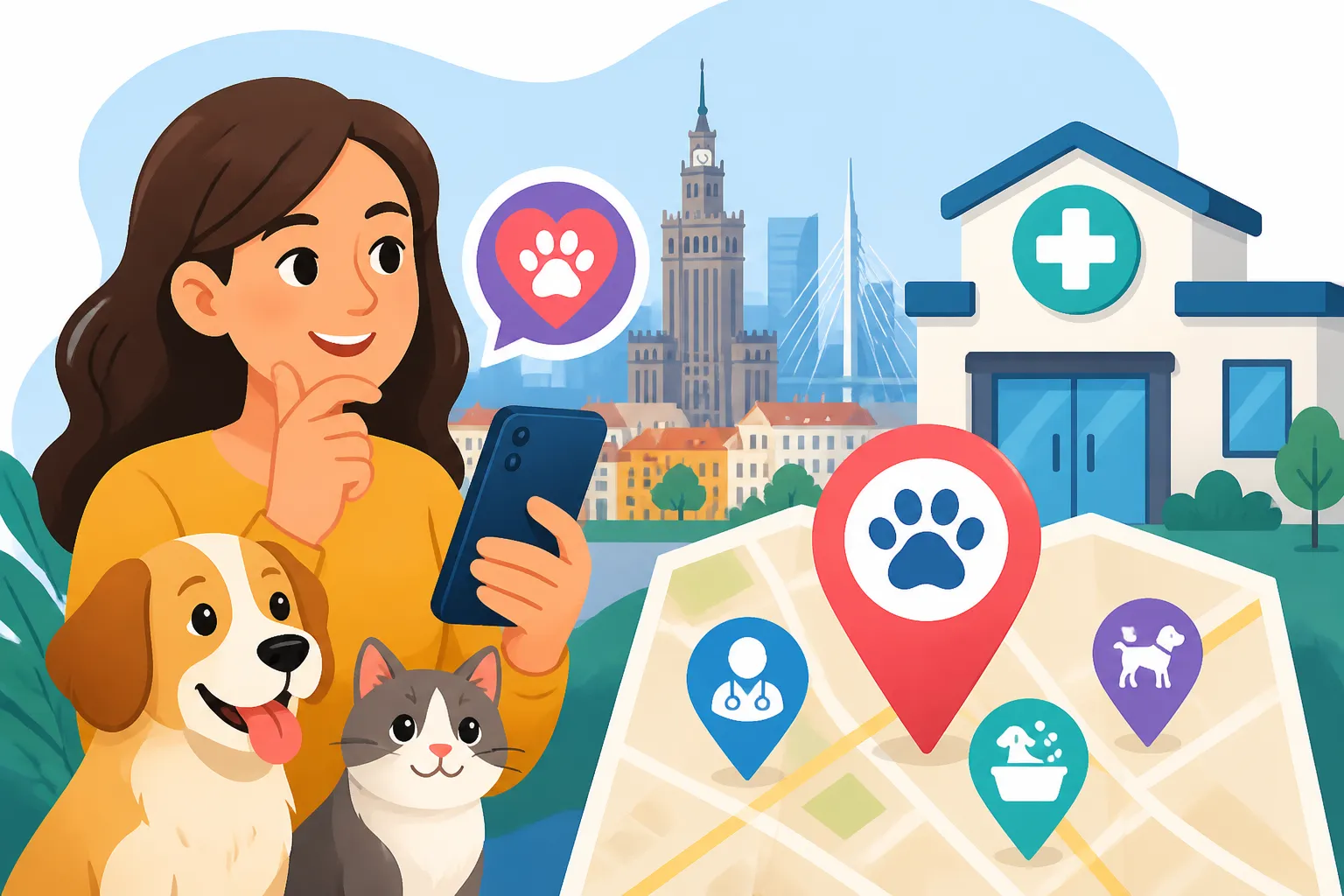
How Do I Find Pet Services and Vets in Warsaw?
Moving to a new country with your furry (or feathered, or scaled!) family members can be incredibly stressful, and one of the biggest worries is always, "Where will I find reliable care for my pet?" Landing in Warsaw, a bustling metropolis with a language barrier, only amplifies that anxiety. This comprehensive guide is here to walk you through exactly how to navigate the city and find the best pet services and veterinarians, ensuring your beloved companions settle in as smoothly as you do.
The Initial Hunt: Where to Begin Your Search for Pet Services in Warsaw
When you first arrive in Warsaw, everything feels new and a bit overwhelming, especially when it comes to finding practical services. You’re not just looking for a good vet; you might need a groomer, a reliable dog walker, or even a pet sitter for those weekends away. The good news is that Warsaw is a surprisingly pet-friendly city, and with a little digging, you’ll uncover a wealth of excellent options.
Your starting point should always be leveraging the resources that connect you to other expats and the local community. Don’t underestimate the power of a good recommendation, especially from someone who has already navigated the same challenges. Setting up your life here means securing everything from your How to Get Your PESEL Number and Why It Matters for Healthcare to finding a good apartment, and pet care is just as critical.
Online Resources and Expat Groups
The internet is your immediate best friend when you’re new to Warsaw. Start with specific Facebook groups like "Expats in Warsaw," "Dogs of Warsaw," or "Pet Owners in Warsaw." These groups are goldmines of personal recommendations, warnings about places to avoid, and up-to-date information on pet-related events or services. People are generally very happy to share their experiences and help out a fellow expat in need.
Beyond Facebook, local Polish pet forums and websites can also be very informative, though they might require a bit of translation. Google Maps is, of course, indispensable – simply typing in "weterynarz Warszawa" (vet Warsaw) or "salon strzyżenia psów Warszawa" (dog grooming salon Warsaw) will bring up a list of nearby establishments. Pay close attention to the reviews, as these often highlight English-speaking staff or particularly compassionate care, which can be invaluable when you're communicating complex health issues.
Remember, as you’re setting up your life here, securing reliable internet and a local SIM with data (perhaps from a provider like Airalo) is paramount for browsing these options on the go, especially when you're out exploring new neighborhoods and might stumble upon a promising clinic. Having that connectivity ensures you can immediately check reviews or contact a service provider.
Leveraging Local Knowledge: Zoos, Pet Shops, and Dog Parks
Sometimes, the best information isn't found online but through good old-fashioned human interaction. One of the most effective ways to find hidden gems and get genuine local insights is by simply engaging with other pet owners. Head to popular dog parks like Pole Mokotowskie or the vast green spaces around Las Bielański. While Łazienki Królewskie Park is beautiful, always double-check specific areas for dog rules, as some parks have restrictions.
Strike up a conversation with someone walking a dog that looks well-groomed and happy. A simple "Beautiful dog! Where do you take him for grooming?" can open doors. Even if they don't speak perfect English, a little Google Translate and a lot of gestures can go a long way. Poles are generally quite friendly, especially when it comes to their pets.
Additionally, don’t overlook local, independent pet shops. While large chains like Maxi Zoo or Kakadu are great for supplies, smaller, neighborhood pet stores often have owners or staff who are deeply ingrained in the local pet community. They know the reputable vets in the area, the best groomers, and sometimes even have contacts for dog walkers. It's a fantastic way to tap into the informal network that can make all the difference in a new city.
Finding the Right Veterinary Care: Vets (Weterynarz) in Warsaw
Finding a reliable and compassionate veterinarian is probably at the top of every expat pet owner's list of priorities. The Polish veterinary system is predominantly private, which means you’ll have a lot of choices, but it also means you’ll be directly responsible for the costs. While there isn’t a direct equivalent to the public How Poland's National Health Fund (NFZ) Works: A Full Overview for animals, the quality of care in Warsaw's private clinics is generally very high.
The biggest hurdles for many expats are language and understanding local customs. Don't be shy about asking questions and making sure you fully comprehend the diagnosis and treatment plan. A good vet-client relationship is built on trust and clear communication.
Public vs. Private Vet Clinics: Understanding Your Options
In Poland, almost all veterinary clinics are privately run. This means you won’t typically find "public" vets in the same way you might find public hospitals for humans. The benefit of this private system is that clinics often compete on quality of service, modern equipment, and specialization. Many clinics are well-equipped with diagnostic tools like ultrasound, X-ray, and in-house labs, meaning faster results for your pet.
You'll find everything from small, neighborhood practices (often called "gabinet weterynaryjny") to larger, multi-vet clinics (like "przychodnia weterynaryjna") that offer a broader range of services, including specialized surgeries, dentistry, and even rehabilitation. When you’re looking, consider what your pet needs. A healthy young animal might be fine with a local gabinet for routine check-ups and vaccinations, but an older animal with chronic conditions might benefit from a larger przychodnia with more advanced facilities and specialists on staff.
Appointments are usually necessary, though some smaller clinics might take walk-ins for minor issues. Always call ahead, even if it's just to confirm opening hours or ask about a specific service. This is also your chance to gauge if they speak English.
English-Speaking Vets and Communication Hurdles
This is where the real challenge often lies for expats. While many younger Poles, especially those working in professional fields, have a good grasp of English, veterinary medicine is a specialized field, and not every vet will be fluent. However, many clinics in more international districts of Warsaw are becoming increasingly expat-friendly. Areas like Mokotów, Śródmieście, and Wilanów, which have higher concentrations of international residents, are good places to start your search for an English-speaking vet.
When searching online, try phrases like "weterynarz angielski Warszawa," "English speaking vet Warsaw," or "veterinary clinic Warsaw English." Many clinics now proudly state on their websites or Facebook pages if they have English-speaking staff. It's perfectly acceptable to call and ask, "Do you have a vet who speaks English?" (Czy macie weterynarza mówiącego po angielsku?). Don’t be afraid to use a translation app on your phone during your visit. Better yet, if you have a Polish friend or colleague, ask if they wouldn't mind accompanying you for the first appointment or two, especially if your pet has a complex medical history.
Clear communication is absolutely vital for your pet's health. You need to be able to explain symptoms, understand diagnoses, and follow treatment instructions without confusion. Some of the larger, more modern clinics, like those operated by chain brands or in more affluent areas, are often your best bet for finding English proficiency.
Emergency Veterinary Services and After-Hours Care
Pet emergencies are terrifying no matter where you are, but even more so in a foreign country. Thankfully, Warsaw has several excellent 24/7 emergency veterinary clinics ready to help when disaster strikes. These clinics are often larger and better equipped than smaller practices, designed to handle critical cases around the clock.
To find an emergency vet, search for "weterynarz całodobowy Warszawa" (24-hour vet Warsaw) or "pogotowie weterynaryjne" (veterinary emergency). It's a good idea to identify at least one or two such clinics near your home or easily accessible by car and save their numbers in your phone before an emergency happens. Remember, when you’re driving your pet to an emergency clinic, having a reliable internet connection for navigation – perhaps through your Airalo eSIM – can literally be a lifesaver.
Always call the emergency clinic beforehand, if possible, to let them know you're coming and to describe your pet's situation. This allows them to prepare for your arrival and provide initial advice. While emergency care will inevitably be more expensive than a regular daytime visit, it's a small price to pay for your pet's life. Don’t hesitate; if you suspect an emergency, go immediately.
Beyond the Vet: Essential Pet Services in Warsaw
Life with a pet isn't just about vet visits; it's about making sure they're happy, healthy, and well-cared for in every aspect. Warsaw offers a wide array of services that cater to pet needs, from keeping them looking their best to ensuring they get enough exercise and companionship when you’re busy. Finding these can sometimes require a bit more legwork, but the options are definitely there.
Just like with finding an English-speaking vet, your best resources for these services are often expat groups, word-of-mouth recommendations, and targeted online searches. Don't be afraid to try a few places until you find the perfect fit for your pet and your budget.
Grooming (Salon Strzyżenia Psów/Kotów) and Pet Spas
Polish people love well-groomed pets, so you’ll find no shortage of grooming salons in Warsaw. Services typically include bathing, brushing, clipping, nail trims, and ear cleaning. Some high-end "pet spas" might even offer additional treatments like aromatherapy or de-shedding treatments. You can search for "salon strzyżenia psów" (dog grooming salon) or "fryzjer dla psa" (dog hairdresser) followed by "Warszawa" or your specific district.
Prices can vary significantly depending on the size and breed of your pet, the complexity of the cut, and the salon's location and reputation. Always ask for a price quote beforehand. Look for salons that keep their spaces clean, use professional equipment, and seem genuinely caring towards the animals. Online reviews with photos can give you a good idea of their work. A crucial tip: if your dog needs a specific breed cut, bring a reference photo to avoid miscommunication, especially if there's a language barrier.
Many groomers operate out of small, independent shops, but larger pet stores like Maxi Zoo also have grooming services available. It's always a good idea to book in advance, especially during peak seasons like before holidays.
Dog Walkers (Wyprowadzanie Psów) and Pet Sitters (Opieka nad Zwierzętami)
For busy expats, dog walkers and pet sitters are indispensable. Whether you work long hours, need to travel, or just want your dog to have extra exercise, these services are readily available. Finding a trustworthy individual or company, however, requires careful vetting.
Expat Facebook groups are an excellent place to find recommendations for individual dog walkers or sitters who are often expats themselves, meaning no language barrier. You can also look for services on Polish classified websites (like OLX.pl, though this requires some Polish), or dedicated pet service platforms. Always ask for references and, if possible, arrange a meet-and-greet with your pet before committing. Observe how the walker or sitter interacts with your animal. Discuss their experience, emergency protocols, and insurance.
If you’re planning an international move to Warsaw and bringing your pet, knowing that such services exist can ease your mind. Companies like Sirelo, which specializes in international relocations, often provide resources or connections to local pet services as part of their comprehensive offerings, ensuring your pet's transition is as smooth as yours. This kind of peace of mind is invaluable when you're navigating so many changes at once.
Pet-Friendly Accommodation and Public Transport
Integrating your pet into daily life in Warsaw also means understanding the rules for housing and transport. When you're searching for your new home, it's absolutely crucial to clarify the pet policy upfront. Many landlords in Warsaw are open to pets, but some may have restrictions on size, breed, or require an additional "pet deposit" (often non-refundable) or higher rent. Always get pet clauses in writing within your rental contract (How to Sign a Rental Contract Umowa Najmu in Poland).
Public transport in Warsaw is generally pet-friendly for smaller animals. Dogs must be on a leash and often require a muzzle, especially larger breeds. They usually need their own ticket, which is typically a reduced-fare ticket. Cats or other small animals must be kept in carriers. These rules apply to buses, trams, and the metro. You'll often see Poles travelling with their dogs on public transport, so it's a common sight. Just be sure to follow the rules to avoid any issues or fines.
Taxis and ride-sharing services like Uber or Bolt usually require you to select a "pet-friendly" option (often for a small additional fee) or to contact the driver directly to confirm they accept pets. Always inform them in advance.
Table: Overview of Pet Services in Warsaw
| Service Type | Polish Term | Key Considerations for Expats | Estimated Price Range (PLN) | Typical Locations |
|---|---|---|---|---|
| Veterinary Clinic | Weterynarz, Przychodnia | English-speaking staff, 24/7 emergency availability | 80-200 (consultation) | City-wide, higher concentration in expat areas |
| Emergency Vet | Weterynarz Całodobowy | Always 24/7, specialized equipment | 150-300+ (initial fee) | Few central/accessible locations |
| Grooming Salon | Salon Strzyżenia Psów | Breed experience, hygiene, English communication | 100-350+ (breed/size dependent) | Neighborhood shops, large pet stores |
| Dog Walker | Wyprowadzanie Psów | References, insurance, experience, reliability | 30-70 per walk | Found via expat groups, local ads |
| Pet Sitter | Opieka nad Zwierzętami | Home visits vs. boarding, references, background checks | 50-150 per day | Expat networks, dedicated platforms |
| Pet Shop | Sklep Zoologiczny | Food variety, accessories, knowledgeable staff | Varies | Shopping malls, local streets |
Note: Prices are approximate and can vary widely based on location, service provider, and specific pet needs.
Integrating Your Pet into Polish Life: Tips and Considerations
Beyond the practical services, truly integrating your pet into your life in Poland involves understanding local regulations and expectations. Just like humans need to understand The Complete Guide to Cost of Living in Poland for Expats (2026), pet owners need to factor in animal-related expenses and legalities. Being a responsible pet owner in Warsaw means more than just feeding and walking your animal; it means adhering to local laws and showing respect for the community.
From required microchipping to navigating local supermarkets for pet food, a bit of preparation goes a long way. This section aims to equip you with the knowledge to smoothly blend your pet's life with yours in your new Polish home.
Microchipping and Vaccinations: Polish Requirements
If you've brought your pet from abroad, they likely already have a microchip and are up-to-date on essential vaccinations. However, it’s crucial to ensure these align with Polish and EU standards. All pets traveling within the EU require a pet passport, which documents their microchip number and vaccination history, especially for rabies. If your pet wasn't microchipped before arrival, your vet in Warsaw can easily do this.
Regular vaccinations, like those for rabies, distemper, parvovirus, and kennel cough, are standard practice in Poland, just as they would be in most Western countries. Your vet will advise you on the appropriate vaccination schedule for your pet, keeping them protected against common local diseases. For a broader understanding, you can check out information on Understanding Vaccination Schedules and Requirements in Poland. Keeping these records updated is not just good practice, but a legal requirement for travel and often for things like pet sitting or boarding.
It's a good idea to bring all your pet's existing medical records with you to Poland and present them to your new vet. This provides them with a complete history and ensures continuity of care.
Pet Food and Supplies: Where to Shop
You won't have any trouble finding pet food and supplies in Warsaw. The city is well-stocked with everything your pet could possibly need. Large pet store chains like Maxi Zoo and Kakadu are ubiquitous and offer a vast selection of dry and wet food, treats, toys, beds, and accessories from both international and local brands. They often have knowledgeable staff who can help you find specific products, though not always in English.
For more specialized diets, organic options, or less common brands, you might have better luck with online retailers. Polish online pet stores such as Zooplus.pl, Allezoo.pl, or Cziko.pl offer extensive catalogues and delivery services directly to your door. You can often find competitive prices and a wider selection than in physical stores. Many supermarkets also have a dedicated pet aisle with a decent range of common food brands and basic accessories.
While the cost of living, including pet food, is generally lower in Poland than in many Western European countries, specialty items can still add up. It's wise to budget for your pet's needs as part of your overall The Complete Guide to Cost of Living in Poland for Expats (2026).
Understanding Pet Etiquette and Laws in Poland
Being a responsible pet owner in Poland means understanding and respecting local etiquette and laws. The most crucial rule for dog owners is that your dog must always be on a leash in public spaces, unless it's a designated off-leash dog park. This is strictly enforced, and fines can be issued for non-compliance. Also, always carry bags and clean up after your dog – failure to do so is not only inconsiderate but also subject to fines.
While many establishments are becoming more pet-friendly, particularly cafes and certain shops, it's always best to ask before bringing your dog inside. Look for "Psy mile widziane" (Dogs welcome) signs, but if in doubt, inquire. Most restaurants, especially those serving food, will not allow pets inside.
Poles generally appreciate well-behaved dogs. Barking excessively or being aggressive is not tolerated. Enroll your dog in obedience classes if needed; there are many excellent trainers in Warsaw, some of whom offer classes in English. Understanding and following these simple rules will make your experience as a pet owner in Warsaw much more enjoyable for both you and your furry friend, and help you integrate smoothly into your new community.
Disclaimer
The information provided in this guide is intended for general informational purposes only and does not constitute professional advice. While we strive to keep the information up-to-date and accurate, laws, regulations, and service availability in Poland can change rapidly. Always consult with a qualified professional, such as a veterinarian, legal expert, or local authorities, for advice specific to your situation. We assume no responsibility for any actions taken based on the information contained herein.