How Do I Transfer Vehicle Ownership When Buying a Car in Poland?
Alright, let's talk about the sometimes daunting, often confusing, but ultimately manageable process of buying a car in Poland as an expat. You've found your perfect set of wheels, perhaps a trusty family car for navigating the busy streets of Kraków or a rugged SUV for weekend trips to the Tatras, and now you’re wondering, "How on earth do I actually make it mine on paper?" This guide is here to cut through the red tape and walk you through every step of transferring vehicle ownership, from the initial paperwork to finally getting your name on that coveted dowód rejestracyjny.
Understanding the Initial Steps After Buying a Car
Buying a used car in Poland involves a bit more than just handing over cash and keys. There are crucial preliminary steps you need to take care of right after the handshake, often within specific deadlines. Missing these can lead to fines, so pay close attention! This isn't just about paperwork; it's about legally solidifying your new asset and ensuring you're compliant from day one.
The All-Important Sale Agreement Umowa Kupna-Sprzedaży
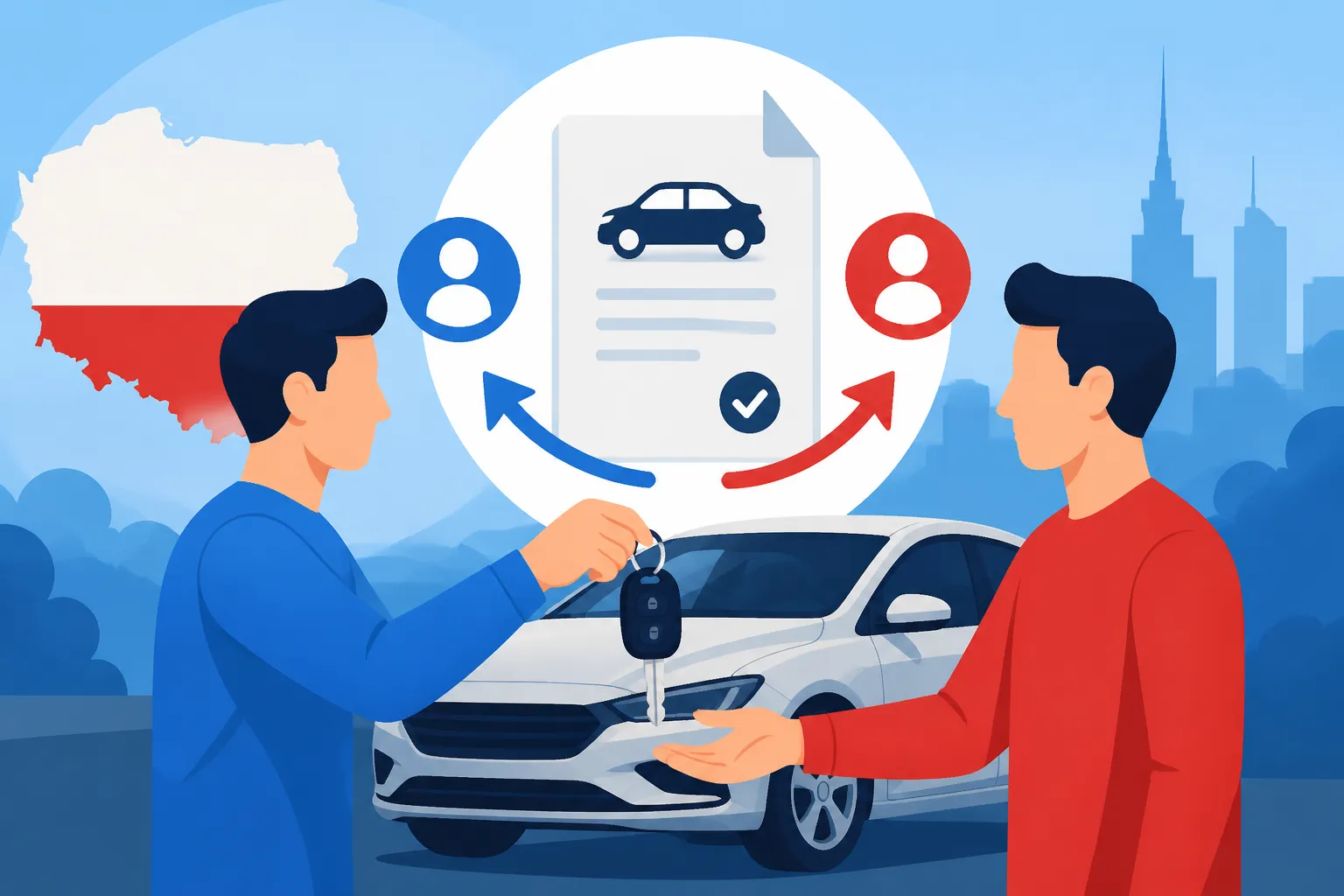
This is your golden ticket, the absolute bedrock of the entire ownership transfer. The umowa kupna-sprzedaży (sale agreement) isn't just a formality; it's a legally binding document that proves you are now the rightful owner of the vehicle. You and the seller should each have a copy, signed by both parties.
What should be in it? At a minimum, it needs:
- Date and place of the agreement: This is crucial for calculating deadlines.
- Identification of buyer and seller: Full names, PESEL numbers (or NIP if it's a business transaction), address, and ID document numbers (passport or residence card for expats).
- Vehicle details: Make, model, year, VIN (Vehicle Identification Number), registration number (numer rejestracyjny), current mileage, and engine number.
- Purchase price: State the amount in PLN.
- Signatures: Both parties must sign both copies.
It's common practice to use a standard template that you can easily find online, but just make sure all the critical information is there. If you're not fluent in Polish, bringing a Polish-speaking friend or an official translator to the car viewing and signing is an absolute lifesaver. Believe me, you don't want to sign something you don't fully understand.
Paying the Civil Law Transaction Tax PCC-3
Ah, taxes. Just when you thought you were done with the purchase price, here comes the Podatek od Czynności Cywilnoprawnych (PCC), or Civil Law Transaction Tax. For used car purchases from a private individual, the buyer is almost always responsible for paying 2% of the car's market value. Yes, market value, not necessarily the price you paid. The tax office (Urząd Skarbowy) has its own databases for market values, and if they deem you bought the car for significantly less than its worth, they might adjust the taxable amount.
You have a strict 14-day deadline from the date of the sale agreement to pay this tax. You'll need to fill out a PCC-3 form. This can be done online through the e-Urząd Skarbowy portal, which is increasingly convenient, or you can print it out and submit it at your local tax office. If you choose the paper route, you'll get a confirmation stamp, and they’ll direct you to the bank account for payment. Hold onto that payment confirmation! It's an essential document for the vehicle registration office.
Ensuring Valid Motor Third-Party Liability Insurance OC
In Poland, having valid ubezpieczenie odpowiedzialności cywilnej (OC) or motor third-party liability insurance is absolutely mandatory. You cannot drive a car without it. When you buy a used car, the existing OC policy from the previous owner transfers to you automatically upon purchase. This means you’re covered from day one.
However, this isn't the end of the story. The seller is legally obliged to inform their insurance company about the sale within 14 days. The insurance company will then recalculate the premium based on your details (age, driving history, etc.). You have a choice: you can keep the existing policy until its expiry, or you can cancel it and purchase a new one. Be careful! If you do nothing, the policy will auto-renew at the end of its term, and you’ll be on the hook for the new premium, which might be higher. It's usually a good idea to shop around for a new policy soon after purchase, comparing quotes from different providers. Companies like Link4, PZU, or Ergo Hestia are common choices. This ensures you get the best deal and avoid any surprises.
The Essential Documents for Vehicle Ownership Transfer
Now that you've got the basics covered, let's gather the paperwork. This is where many expats hit a snag, as the list can feel endless, and the smallest missing detail can send you back home. I've been there, staring blankly at a civil servant who's patiently (or not-so-patiently) telling me I'm missing one crucial stamp. Take a deep breath; we’ll get through this.
What to Bring to the Wydział Komunikacji
The Wydział Komunikacji (Department of Transportation/Vehicle Registration Office) is where the magic happens. This is part of your local Urząd Miasta (City Hall) or Urząd Gminy (Communal Office). Here’s your comprehensive checklist:
- Application for Vehicle Registration (Wniosek o rejestrację pojazdu): You can usually download this from your local Urząd website or get one directly at the office. Fill it out completely and accurately.
- Proof of Ownership:
- Your copy of the Umowa kupna-sprzedaży (sale agreement). If there were multiple owners before you, you might need a chain of sale agreements proving continuous ownership.
- Vehicle Registration Certificate (Dowód Rejestracyjny): This is the document that proves the vehicle is registered. It will still have the previous owner’s details.
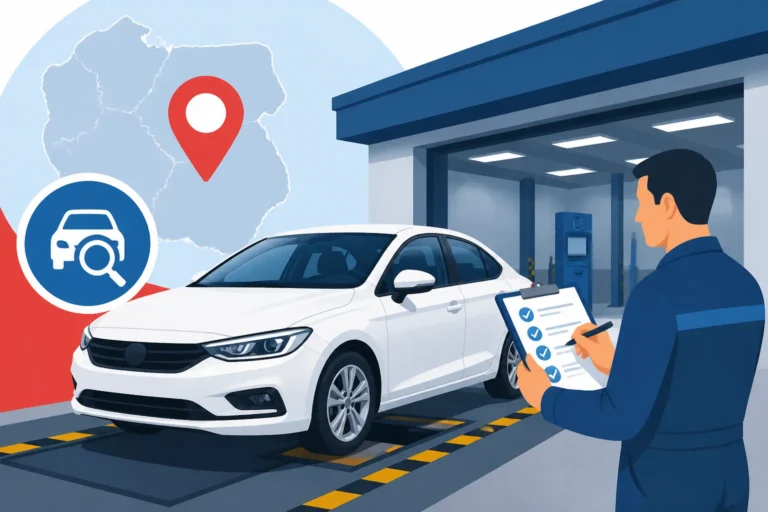
- Proof of Valid Technical Inspection (Badanie Techniczne): This is recorded in the dowód rejestracyjny. Make sure it's valid. If it's expired, you'll need to get a new inspection done before registration.
- Proof of Valid OC Insurance: A printout of your current policy or confirmation from the insurer.
- Vehicle Plates (Tablice Rejestracyjne): The physical plates. If the car was registered in a different powiat (county) and you wish to change them (or if they don't meet current standards), you will hand these in. However, since January 2022, if the plates are legible and conform to current standards, you can keep the old plates, even if you're registering the car in a new powiat, saving you about 80 zł. This is a huge relief for many!
- Your Identification: A valid passport and your Karta Pobytu (residence permit) if you are a non-EU citizen, or your ID card/passport if you are an EU citizen.
- PESEL or NIP: Your Polish identification number. If you don't have a PESEL, you might be required to use your NIP (Tax Identification Number) if you're a self-employed individual or running a business. For most expats, securing your How to Get Your PESEL Number and Why It Matters for Healthcare is one of the very first administrative hurdles, and it comes in handy for car registration too.
- Proof of PCC Tax Payment: The confirmation of payment of the 2% Civil Law Transaction Tax.
- Foreign Vehicle Documents (if applicable): If you're importing a vehicle, you'll need additional documents like proof of customs clearance (SAD form), proof of VAT payment or exemption, and an official translation of foreign registration documents by a sworn translator (tłumacz przysięgły). This is a whole other ball game, but important to mention.
- Power of Attorney (Pełnomocnictwo): If someone is registering the car on your behalf, they need a written power of attorney signed by you, along with their ID. There's usually a small fee for this (around 17 zł), unless the person is a direct family member (spouse, child, parent, sibling), in which case it's free.
The Phasing Out of Karta Pojazdu and Nalepka Kontrolna
For years, the Karta Pojazdu (Vehicle Card) and nalepka kontrolna (control sticker for the windshield) were standard requirements. These are now thankfully obsolete!
- Karta Pojazdu: As of September 4, 2022, the vehicle card is no longer issued or required for registration. If your car still has one, you don't need to present it. If you’re a perfectionist, you can even have it physically removed from your documents.
- Nalepka Kontrolna: The control sticker for the windshield was also abolished on January 31, 2022. You won't receive a new one, and you don't need to have one on your windshield.
These changes are part of Poland's move towards digitalization and simplifying administrative processes, and honestly, it’s a welcome relief for anyone who’s had to navigate the bureaucracy here.
Navigating the Urząd Miasta or Gminy (Local Office)
This is often the most anxiety-inducing part of the process. Stepping into a Polish administrative office can feel like entering a labyrinth, especially if your Polish isn't fluent. But armed with your complete set of documents and a bit of patience, you'll be fine.
Finding the Right Wydział Komunikacji and Booking an Appointment
Your first step is to identify the correct Wydział Komunikacji for your place of residence. This is usually part of your local city hall (Urząd Miasta) or commune office (Urząd Gminy). A quick search online for "[Your City] Wydział Komunikacji" should point you in the right direction. For instance, if you live in Wrocław, you'd look for "Wydział Komunikacji Wrocław."
Many offices now operate on an appointment-only basis, or at least highly recommend booking one. This can often be done online through their website, where you can select a specific date and time. Seriously, do this if you can! It saves you hours of waiting in line, and that's an experience no one needs. If online booking isn't available, arrive early, grab a ticket from the queue machine, and be prepared for a wait.
The Submission Process and the Temporary Registration
Once your number is called, head to the designated counter. Present all your documents to the official. They will meticulously check everything. This is where having your documents in order pays off. If anything is missing or incorrect, they will inform you, and you'll have to go back and rectify it, then often rejoin the queue.
If all your documents are accepted, congratulations! The official will process your application. You'll pay the registration fees at this point. The fees typically cover the new registration certificate, any new plates, and administrative costs.
Immediately, you will receive a temporary registration certificate (tymczasowy dowód rejestracyjny or miękki dowód) and, if you opted for new plates, temporary plates. This temporary registration is valid for 30 days. This means you can legally drive your car during this period while they prepare your permanent documents. Do not lose this! It's your proof of legal ownership and right to drive.
During this time, the office will verify your vehicle details with the Centralna Ewidencja Pojazdów (CEPiK) database and print your permanent dowód rejestracyjny. This is the period when many expats, especially those relocating cross-country or internationally, might look into services like Sirelo for moving larger items or even exploring logistics for vehicle transport if they're considering buying a car elsewhere and bringing it to Poland after the initial registration hurdles.
Collecting Your Permanent Dowód Rejestracyjny
After approximately two to three weeks (though this can vary, sometimes quicker, sometimes longer depending on the office), your permanent dowód rejestracyjny will be ready for collection. You might receive an SMS notification, or you may need to check the status online or call the office.
To collect it, you'll need to bring:
- Your temporary registration certificate (miękki dowód).
- Your ID (passport/residence card).
The official will swap your temporary document for the permanent one. This is the official completion of the vehicle ownership transfer! Breathe a sigh of relief. You’ve done it.
What Happens After the Transfer: New Registration and Plates
So, you’ve got your permanent dowód rejestracyjny in hand. What next? There are a few final steps and considerations to keep in mind, especially regarding insurance and potential fines for delays.
Finalizing Your Registration and Plate Choices
As mentioned earlier, the rule regarding plates changed in 2022. If the car was previously registered in Poland, and the plates meet the current standards and are legible, you are no longer obliged to get new plates, even if the car came from a different powiat. You can choose to keep the existing plates, which saves you the cost of new plates (around 80 zł) and the associated sticker fee. This is a big win for convenience and your wallet.
However, if you bought a car that wasn't previously registered in Poland (e.g., an imported car), or if the previous plates were non-standard or damaged, you will get new Polish plates. Similarly, if you simply want new plates to reflect your current location, you can choose to receive them. In such cases, you’d have received your new temporary plates with the miękki dowód, and the permanent plates would be issued with your permanent dowód rejestracyjny.
Once you have your permanent registration certificate, you are fully compliant in terms of vehicle documentation.
Updating Your Insurance Company
Remember that OC insurance policy that automatically transferred to you? Now that you're officially the registered owner, it's time to make a definitive decision about it.
Within 30 days of the registration date, you must either:
- Formally accept the existing policy: If you're happy with the premium recalculation and the terms.
- Cancel the existing policy and purchase a new one: This is often advisable to ensure you get the best deal. Always compare quotes.
Failing to update your insurance company or secure a new policy after the old one expires can lead to hefty fines from the Ubezpieczeniowy Fundusz Gwarancyjny (Insurance Guarantee Fund). These fines increase with the length of time you're uninsured, and they are not lenient. Being uninsured, even for a day, can result in significant financial penalties. For instance, being uninsured for more than 14 days can cost you thousands of złoty. Therefore, put a reminder in your calendar immediately after you finalize your ownership transfer to sort out your OC.
Other Important Considerations
- Fines for Late Registration: You have 30 days from the date of purchase (date on the umowa kupna-sprzedaży) to register the vehicle. While there used to be some flexibility, Polish authorities are becoming stricter. Late registration can result in fines, so don't procrastinate!
- Internetowe Konto Pacjenta (IKP) or mObywatel: While not directly for vehicle registration, having your How to Set Up an Internetowe Konto Pacjenta IKP Patient Account or the mObywatel app on your phone can be incredibly useful for other administrative tasks in Poland. Your digital dowód rejestracyjny (e-dowód) and e-OC policy are accessible via mObywatel, making it convenient to prove your documents digitally to authorities.
- Selling the Car in the Future: When the time comes to sell your car, you'll need your dowód rejestracyjny and proof of valid technical inspection. Remember, as the seller, you'll need to inform your insurance company of the sale within 14 days, and also the Wydział Komunikacji within 30 days of the sale.
Transferring vehicle ownership in Poland might seem like a bureaucratic mountain, but by understanding each step, gathering your documents meticulously, and keeping track of deadlines, you can conquer it. Remember, patience and preparedness are your best allies in the Polish administrative jungle.
| Document / Step | Purpose | Where to Get / Action Needed | Deadline | Cost (Approximate in PLN) |
|---|---|---|---|---|
| Umowa kupna-sprzedaży | Proof of ownership | Drafted by buyer & seller, signed by both | At time of purchase | Free |
| PCC-3 Tax Payment | Civil Law Transaction Tax (2% of market value) | Urząd Skarbowy (online or in person) | 14 days from purchase | Varies (2% of market value) |
| OC Insurance Update | Mandatory motor third-party liability insurance | Insurance provider (existing or new) | 30 days from registration / before expiry | Varies |
| Wniosek o rejestrację pojazdu | Application for vehicle registration | Wydział Komunikacji (online or in person) | At time of registration | Free |
| Dowód Rejestracyjny (old) | Previous vehicle registration certificate | Received from seller | Required for registration | N/A |
| Badanie Techniczne | Proof of valid technical inspection | Noted in dowód rejestracyjny / diagnostic station if expired | Must be valid for registration | ~100-160 (if new inspection needed) |
| Tablice Rejestracyjne | Vehicle license plates | From seller (can keep if compliant) | Submitted at registration (if changing) | ~80 (if new plates needed) |
| Your ID (Passport/Karta Pobytu) | Identification | Your personal ID documents | Required for all steps | N/A |
| PESEL / NIP | Polish identification number | Your personal identification number | Required for all steps | N/A |
| New Dowód Rejestracyjny | Permanent vehicle registration certificate | Wydział Komunikacji | ~2-3 weeks after submission | ~160-180 (incl. temporary reg, plates if new) |
Disclaimer
The information provided in this guide is for general informational purposes only and does not constitute legal or financial advice. While we strive to keep the information up-to-date and accurate, regulations in Poland can change. It is always recommended to verify specific requirements with the relevant Polish authorities (Urząd Miasta, Urząd Skarbowy, Wydział Komunikacji) or consult with a legal professional for your individual situation.