How Do I Set Up Waste Collection and Recycling in Poland?
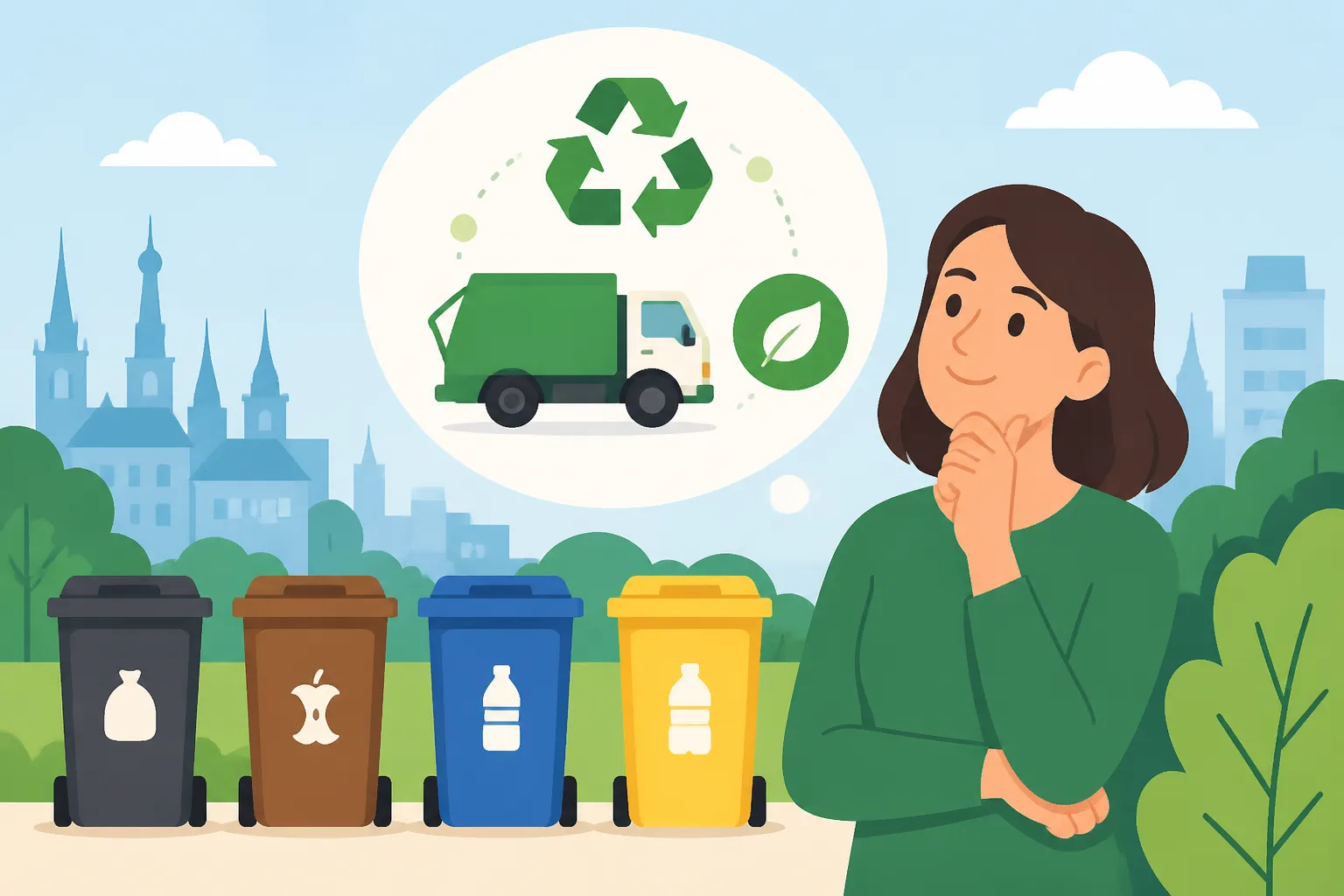
Ah, the wonderful world of waste management in Poland! If you're anything like me when I first arrived, you've probably stood in front of a confusing array of coloured bins, clutching a plastic bottle, wondering if it goes in the yellow, the green, or straight into the "no idea, just dump it" black bin. It's a rite of passage for every expat, feeling utterly lost in what should be a simple chore. But don't you worry, this comprehensive guide will cut through the Polish administrative fog and walk you through everything you need to know about setting up and understanding waste collection and recycling in your new Polish home.
The Local Landscape of Waste Management in Poland
Navigating daily life in a new country is full of surprises, and often, waste collection isn't something you think about until you're holding a overflowing bin bag. In Poland, waste management isn't a national, uniform system; it's handled at the gmina (municipality) level. This means that while there are national guidelines, the specifics – like collection schedules, bin colours, and even how you pay – can vary quite a bit from one city or town to another. It's a system designed for local flexibility, but for a foreigner, it can feel like trying to hit a moving target.
Who is Responsible for Waste Collection?
At its core, your gmina is the boss when it comes to waste. They're legally obliged to organise waste collection and ensure proper segregation. What this usually means in practice is that the gmina contracts out these services to private companies. In larger cities, you might see big names like Remondis, Alba, or MPO (for Warsaw) handling the actual collection. These are the trucks rumbling down your street, often at some ungodly hour.
Your relationship with the gmina for waste services will depend heavily on whether you're renting or owning property. If you're a renter, it's highly likely that your landlord or the building administrator (the wspólnota mieszkaniowa or spółdzielnia mieszkaniowa for apartment blocks) is handling the actual contract and payments with the gmina and its chosen waste company. They essentially act as the intermediary, collecting your portion of the fee, often included in your monthly czynsz (administration fees). This can be a relief, as it means one less bureaucratic hurdle for you. However, it also means you rely on them to inform you about the rules, schedules, and any changes. If you’re living in a detached house or are a direct homeowner, you'll be dealing with the gmina directly. It’s always best to clarify this from day one, whether you’re signing a new rental agreement or moving into your own place. Getting this information upfront can save a lot of headaches later on.
Mandatory Segregation and What It Means for You
Poland is serious about waste segregation, and for good reason. It’s not just a suggestion; it's a legal obligation that affects everyone, from individual households to businesses. The goal is to separate waste at the source to make recycling more efficient and reduce landfill waste. This means you can't just throw everything into one bin and hope for the best. There are clear rules about what goes where, and these are largely standardised across the country, though local variations might exist for specific items.
Breaking it down, you'll typically encounter at least five main categories of waste, each with its designated colour:
- Yellow Bin (Metals and Plastics): This is where your plastic bottles (rinsed, please!), plastic packaging, metal cans, tetra packs (milk/juice cartons), and foil go. Think clean food packaging, plastic bags, and aluminum cans.
- Blue Bin (Paper): Newspapers, magazines, cardboard boxes, paper packaging, and office paper. Make sure they're dry and clean. No greasy pizza boxes here!
- Green Bin (Glass): Glass bottles and jars. Some gminas might have separate bins for clear (white glass) and coloured glass, but often it's combined. Lids removed, naturally.
- Brown Bin (Bio/Organic Waste): Food scraps, fruit and vegetable peels, coffee grounds, tea bags, garden waste like leaves and grass clippings. This is for composting.
- Black Bin (Mixed/Residual Waste): Anything that doesn't fit into the other segregated categories. This includes ceramics, dirty paper, certain hygiene products, animal waste, and items made of multiple materials that can't be easily separated. This is your "last resort" bin.
Failure to segregate correctly can lead to penalties, especially if you're a homeowner or if your building administrator gets fined due to communal non-compliance. It might sound daunting at first, but once you get into the habit, it becomes second nature. And let’s be honest, it’s a good thing for the environment!
How to Set Up Your Waste Collection Contract
The process of getting your bins emptied might seem mysterious when you first arrive. It's not like simply calling a utility company in some other countries. Since it's gmina-managed, there's a specific procedure, and who initiates it depends on your housing situation.
For Renters: Your Landlord's Role
If you're renting an apartment or a house, the good news is that the responsibility for setting up and managing the waste collection contract usually falls to your landlord or the building administrator. This is often the case, especially in larger apartment blocks in cities like Warsaw or Krakow, where waste fees are part of the broader administrative charges (czynsz) you pay monthly. It means one less official form to fill out in Polish, which, believe me, is a huge relief when you’re still getting used to things.
However, "usually" isn't "always." You absolutely must clarify this with your landlord or rental agency when you’re signing your lease. Ask them specifically: "Is waste collection included in the czynsz, or do I need to arrange it separately?" They should be able to tell you the schedule for your building's bins and explain the segregation rules. It's also important to confirm if any special waste (like bulky items or electronics) is covered, or if that's a separate arrangement. Don't assume anything; Polish bureaucracy, while often logical, leaves little room for ambiguity. If you're setting up other utilities, like your electricity or gas, remember to also ask about waste, as it's part of the comprehensive living costs. In some rarer cases, particularly if you’re renting a detached house, the landlord might expect you to register with the gmina in your name. This is less common but certainly possible, so always check.
For Homeowners: Direct Registration with the Gmina
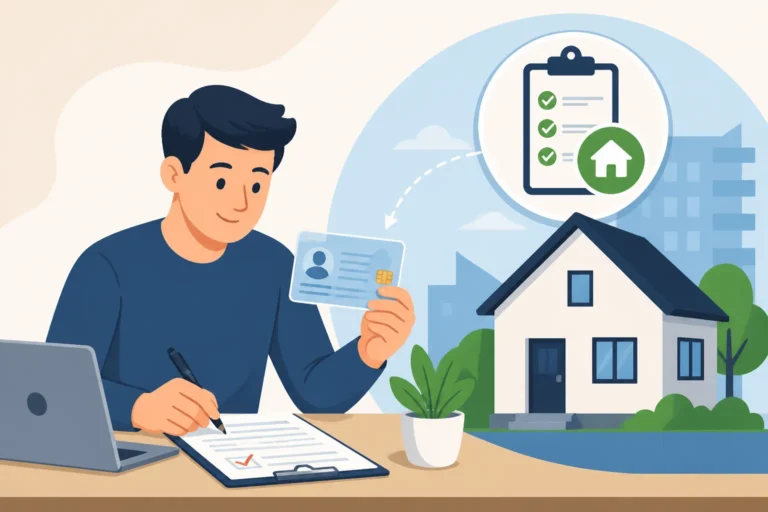
If you've bought a property in Poland – congratulations! – you'll be dealing with the gmina directly for your waste collection. This means a bit more paperwork, but it puts you in full control. The process generally involves submitting a declaration (known as a deklaracja o wysokości opłaty za gospodarowanie odpadami komunalnymi) to your local Urząd Gminy or Urząd Miasta (Town/City Hall).
Here’s a typical step-by-step breakdown:
- Identify Your Local Urząd: The first step is to find out which Urząd Gminy or Urząd Miasta is responsible for your address. A quick online search for "[Your City/Town] Urząd Gminy" or "[Your City/Town] Urząd Miasta" should point you in the right direction. Many gminas now have dedicated sections on their websites for waste management (gospodarka odpadami).
- Obtain the Declaration Form: You'll need the specific deklaracja form. You can usually download this from the gmina's website, pick it up in person at the Urząd, or sometimes even complete it online through portals if your gmina offers advanced e-government services like those accessible via an Internetowe Konto Pacjenta (IKP) Patient Account for other services.
- Fill Out the Form: This form will ask for details about your property (address, type, ownership), the number of people living there, and potentially how your waste fee will be calculated (more on this in the next section). You'll need your PESEL number for this, so make sure you've already obtained it. If you haven't, you'll definitely want to check out "How to Get Your PESEL Number and Why It Matters for Healthcare" or "How to Get a PESEL and NIP Number in Poland". Be meticulous here, as mistakes can cause delays. If your Polish isn't perfect, ask a Polish-speaking friend or a professional translator for help.
- Submit the Declaration: You can submit the form in person at the Urząd (remember to bring ID), send it by registered mail, or, if available, submit it electronically with an ePUAP profile.
- Await Confirmation and Payment Details: Once your declaration is processed, the gmina will confirm your registration and provide you with payment details – usually a specific bank account number and the frequency of payments (e.g., monthly or quarterly). This often comes in a letter, so keep an eye on your mailbox.
This process might take a few weeks, so it’s wise to get on it as soon as you move in to avoid any backlog of waste. When planning your move to Poland, using a reputable international moving service, such as those you can find via Sirelo, can help you manage logistics and give you more time to focus on these crucial administrative tasks.
Choosing a Waste Collection Frequency and Bag Size
In some gminas, particularly for detached houses, you might have a say in certain aspects of your waste collection. This could include choosing the frequency of collection for certain types of waste (e.g., bio waste collected weekly vs. bi-weekly during winter), or selecting the size and number of bins/bags you need.
The declaration form often includes options related to the size of your household or the estimated volume of waste. For instance, if you're a single person, you might opt for smaller bins or less frequent collection, which can sometimes influence your fee. However, the exact options available are entirely gmina-dependent. Most commonly, especially in apartment buildings, the bin sizes and collection frequencies are pre-determined by the building management based on the overall needs of the residents. It’s a bit less flexible than some might be used to, but it simplifies the process in dense urban areas. Always remember that any decision here should align with the mandatory segregation rules; opting for fewer collections of bio waste doesn't mean you can throw it in the mixed waste bin!
Understanding Recycling in Practice: Polish Specifics
The Polish waste segregation system, while having its quirks, is designed to be comprehensive. Understanding exactly what goes where is key to avoiding fines and being a responsible resident. Let's delve deeper into the different waste fractions and how to handle less common items.
The Five Main Waste Fractions (Segregated Waste)
As mentioned, the core of Polish recycling revolves around five colour-coded categories. Getting these right is your main task.
- Yellow Bin: Metals and Plastics (Metale i Tworzywa Sztuczne)
- What goes in: Plastic bottles (PET), plastic packaging from food products (yogurt pots, butter containers), plastic bags, plastic caps, metal cans (aluminum, steel), aluminum foil, multi-layered cartons (like milk or juice cartons, often called tetrapak).
- Important tips: Always try to rinse containers to remove food residue. Squish bottles and cans to save space. Caps can usually be put back on plastic bottles after squishing, or collected separately for charity drives.
- Common mistake: Throwing in dirty plastic or metal items with significant food residue. These can contaminate entire batches. Also, styrofoam packaging often does not go here, unless specifically indicated by local rules.
- Blue Bin: Paper (Papier)
- What goes in: Newspapers, magazines, brochures, advertising flyers, cardboard boxes (flattened), paper packaging, office paper, notebooks.
- Important tips: Keep paper dry. Remove staples, paper clips, and plastic sleeves if possible. Flatten cardboard to save space.
- Common mistake: Placing wet, greasy, or dirty paper (like used paper towels, tissues, or greasy pizza boxes) into the blue bin. These are considered mixed waste.
- Green Bin: Glass (Szkło)
- What goes in: Glass bottles (beverages, preserves), glass jars.
- Important tips: Remove caps and lids (these usually go in yellow for plastic/metal, or black for cork). Rinse bottles and jars.
- Common mistake: Throwing in window glass, mirrors, ceramics, porcelain, heat-resistant glass (like Pyrex), light bulbs, or drinking glasses. These items have different chemical compositions and melt at different temperatures than container glass, so they belong in mixed waste or specific collection points. Some gminas may have separate collections for white (clear) glass and coloured glass, so check your local guidelines.
- Brown Bin: Bio/Organic Waste (Bioodpady)
- What goes in: Food scraps, fruit and vegetable peels, eggshells, coffee grounds, tea bags, garden waste (grass clippings, leaves, small branches), wilted flowers.
- Important tips: Many gminas provide compostable bags for this waste. Don't include cooked meat, bones, animal fats, or dairy products (these go in mixed waste).
- Common mistake: Putting in plastic bags, even if they contain bio waste. Only compostable bags are allowed. Also, including ashes, soil, or stones.
- Black Bin: Mixed/Residual Waste (Odpady Zmieszane)
- What goes in: Everything that cannot be segregated into the other categories. This includes ceramics, porcelain, used paper towels and tissues, hygiene products (diapers, sanitary pads), animal waste, ashes, cold ash from fireplaces (if allowed by gmina), certain types of multi-material packaging that are hard to separate, certain types of non-recyclable plastic (e.g., small plastic toys), small quantities of construction debris (check local rules for larger amounts).
- Important tips: This is truly the bin for "everything else." Don't use it as a default for laziness, or you defeat the purpose of segregation.
- Common mistake: Using this bin for items that clearly belong in one of the other segregated bins. This makes recycling efforts futile and can lead to penalties for the entire building or household.
Bulky Waste, Electronics, and Hazardous Materials
Beyond the daily bins, there's a whole other world of waste you'll need to deal with periodically. This includes furniture, old appliances, electronics, and things that are just plain dangerous to throw in regular bins.
- Bulky Waste (Odpady Wielkogabarytowe): This covers old furniture (tables, chairs, wardrobes), mattresses, bicycles, and large toys. Most gminas organise periodic collection dates for bulky waste, usually once or twice a year. You'll need to check your gmina's website or local announcements for these dates. On the designated day, you simply leave your bulky items outside your property (or at a designated collection point for apartment blocks), and they'll be collected. Alternatively, you can often take them to a PSZOK.
- Waste Electrical and Electronic Equipment (WEEE) / Electronics (Elektrośmieci): Old TVs, refrigerators, washing machines, computers, phones, lamps, small household appliances – these cannot go in regular bins due to hazardous components.
- Many larger electronics stores (like MediaMarkt or RTV Euro AGD) will take back old electronics for recycling, especially if you're buying a new equivalent item from them.
- Local PSZOKs are equipped to handle WEEE.
- Some gminas organise special collection drives for smaller electronics at specific points or times.
- Hazardous Materials (Odpady Niebezpieczne): This category includes paints, solvents, motor oils, batteries, expired medications, pesticides, and chemicals. These are serious business and cannot be disposed of with regular household waste.
- Batteries: You’ll find small collection bins for used batteries in most supermarkets, electronics stores, and some post offices.
- Expired Medications (Leki Przeterminowane): Almost all pharmacies (apteka) have special bins for expired or unused medicines. Just drop them off there; it’s a crucial service for public safety and environmental protection.
- Paints, Solvents, Chemicals: These must be taken to your local PSZOK. They have facilities to safely manage and dispose of these materials. Never pour them down the drain or throw them in the regular trash.
Common Expat Recycling Mistakes to Avoid
Living in Poland, I’ve seen and made my fair share of waste-related blunders. Here are a few common pitfalls to steer clear of:
- "Wish-Cycling": This is the optimistic but incorrect practice of throwing something into a recycling bin hoping it might be recyclable. For example, a broken ceramic plate in the glass bin, or old textiles in the mixed plastics. When in doubt, it’s often better for the recycling stream to put it in the black (mixed) bin than to contaminate a whole batch of recyclables.
- Not Rinsing Containers: Those yogurt pots or jam jars need a quick rinse. Leftover food residue can attract pests and contaminate other recyclables during collection and sorting.
- Leaving Lids On: For glass jars and plastic bottles, remove the lids. Lids are often made of different materials and need to be processed separately.
- Plastic Bags in Bio-Waste: Unless specifically stated that your gmina accepts biodegradable bags, do not put your bio-waste in regular plastic bags. It defeats the purpose of composting.
- Ignoring Local PSZOKs: Many expats aren't aware of their local Punkt Selektywnego Zbierania Odpadów Komunalnych (Municipal Selective Waste Collection Point). These facilities are invaluable for proper disposal of items that don't fit into regular bins, from old tires to construction debris (within limits). Find yours and save the location! Knowing how to properly dispose of varied household items is just as important as knowing how to set up electricity in your Polish home.
Costs and Payment for Waste Services
Understanding how much you're paying and how to actually pay for waste collection in Poland can be a bit opaque, especially if you're used to a fixed rate or utility bundles. The Polish system has its own logic, and it's heavily tied to local gmina policies.
How Your Waste Fee is Calculated
This is where the gmina-specific nature of waste management really shines through. There isn't a single, national calculation method, so what applies to your friend in Gdansk might be completely different from your situation in Wroclaw.
The most common methods for calculating your monthly or quarterly waste fee include:
- Per Person (Od osoby): This is arguably the most straightforward. Your fee is calculated based on the number of people declared as living in your household. If you have 3 people, you pay 3 times the individual rate. This method incentivises accurate declarations of residents, and if your household size changes (e.g., someone moves out or a new baby arrives), you’re generally obliged to update your deklaracja with the gmina.
- Per Cubic Meter of Water Used (Od zużycia wody): A growing number of gminas are adopting this model, where your waste fee is linked to your water consumption. The idea is that more water used often correlates with more waste produced. This can be tricky for expats to understand, as it ties two seemingly unrelated utilities together. It also means your waste bill might fluctuate if your water usage changes significantly. If your gmina uses this method, you'll see a specific rate per cubic meter of water on your bill.
- Per Square Meter of Property (Od powierzchni nieruchomości): Less common for residential properties but sometimes used for larger homes or commercial premises, this method calculates your fee based on the habitable area of your property.
- Per Number of Waste Bins/Bags (Od pojemnika/worka): This is more typical for single-family homes or smaller apartment buildings where residents might have individual bins. You pay based on the size and number of bins provided, and sometimes the frequency of collection.
Crucially, in all these models, there's usually a lower rate for segregated waste and a higher, punitive rate for unsegregated waste. If your gmina finds that your household (or apartment building, in a collective setting) is consistently failing to segregate, they can re-qualify you for the higher, non-segregated rate. This is why adherence to the colour-coded bins is not just good for the environment, but good for your wallet too. This emphasis on correct disposal is similar to the care needed when figuring out how to pay taxes as a JDG owner in Poland.
Payment Methods and Deadlines
Once you’ve submitted your deklaracja and it’s been processed, you'll receive information about how and when to pay.
- Payment Frequency: Most gminas require payments monthly or quarterly. The exact deadlines will be specified in the communication you receive from the Urząd. Mark these dates in your calendar!
- Bank Transfer (Przelew Bankowy): This is the most common method. You'll be provided with a specific bank account number (often a unique individual account for your property) to which you should transfer the funds. You can do this via online banking, which is incredibly convenient if you've already set up online banking and BLIK payments in Poland.
- Post Office (Poczta): If you prefer paying in cash or don't have online banking set up yet, you can usually pay your waste bill at any Polish post office. Just take your payment slip or the gmina's payment details with you.
- Urząd Treasury (Kasa w Urzędzie): Some gminas still offer the option to pay directly at the cash desk (kasa) within the Urząd Miasta or Urząd Gminy. Check if this option is available in your municipality.
Whatever method you choose, make sure to pay on time. Setting up a recurring transfer (standing order) through your online bank account is often the easiest way to ensure you don't miss a deadline. This is a common practice for all your bills, similar to how you manage other utilities explained in "The Expat Guide to Setting Up Utilities in Poland".
Penalties for Non-Compliance
Poland takes waste segregation seriously, and there are consequences for failing to adhere to the rules. These penalties are designed to encourage proper behaviour and cover the higher costs associated with sorting mixed waste.
- Higher Fees: The most common penalty, as mentioned above, is being switched from the lower segregated waste fee to the higher unsegregated waste fee. This can be significantly more expensive. For individuals, this might happen if collectors consistently find improperly segregated waste in your bins. For apartment buildings, if the communal bins are routinely contaminated, the entire building might be re-classified, leading to higher czynsz payments for everyone.
- Fines: In more severe or persistent cases of non-compliance, direct fines can be issued by the gmina or relevant inspection bodies. These can be substantial, especially for businesses or repeated offenders.
- Refusal of Collection: While less common for everyday household waste, waste collectors might refuse to empty a bin if it’s severely contaminated or contains items that are clearly not allowed (e.g., construction debris in a regular mixed waste bin). This leaves you with an overflowing bin and the need to rectify the situation before the next collection.
It’s crucial to remember that these rules are in place for a reason. Proper waste management is a collective effort that contributes to environmental protection and reduces the strain on public services. As an expat, understanding and following these guidelines is a small but significant way to integrate into your new community and ensure a cleaner Poland for everyone.
Disclaimer
Please remember that while this guide aims to be comprehensive and up-to-date, waste management regulations in Poland are primarily governed by local gmina (municipality) authorities. Specific rules, collection schedules, bin colours, and fee calculation methods can vary significantly between different cities and towns. Always consult your local Urząd Gminy or Urząd Miasta website, or contact your building administrator/landlord, for the most accurate and current information applicable to your specific address. This guide is for informational purposes only and does not constitute legal or official advice.