What Is the Przegląd Techniczny (Vehicle Inspection) and How Does It Work?
Ah, the joys of owning a car in a new country! Just when you think you've figured out the labyrinth of Polish bureaucracy for your visa or apartment, a new challenge rolls into view: keeping your vehicle legally on the road. For many expats, the Przegląd Techniczny, or vehicle inspection, can feel like another one of those slightly intimidating hoops to jump through. It's not just a formality; it's a mandatory annual check-up that can make or break your ability to drive your beloved car. This guide is here to demystify the process, explain what it is, and walk you through how it works, so you can navigate it with confidence and avoid any unwelcome surprises.
What Exactly Is the Przegląd Techniczny?
The Przegląd Techniczny, often simply called "przegląd," is Poland's mandatory periodic vehicle inspection. Think of it as the annual health check-up for your car. Its primary purpose isn't to make your life harder, but rather to ensure that all vehicles on Polish roads are safe to drive and meet environmental standards. This means checking everything from your brakes and lights to your exhaust emissions, ensuring your car isn't a danger to yourself, other road users, or the environment.
The 'Why' Behind the Przegląd: Safety and the Environment
In any modern country, vehicle safety is paramount. Roads are busy, and even a minor mechanical fault can have serious consequences. The Polish government, through the przegląd, aims to reduce accidents caused by vehicle malfunctions. Inspectors meticulously examine critical components to catch potential issues before they become dangerous. Beyond safety, there's a significant environmental aspect. Poland, like other EU nations, has regulations concerning vehicle emissions. The przegląd verifies that your car's exhaust system isn't polluting the air more than legally allowed. For an expat navigating a new country, knowing your car is safe and compliant provides immense peace of mind, especially when you might already be wrestling with Driving in Poland: Licences, Registration and Rules for Expats (2027).
Moreover, it's a measure to maintain a certain standard across the entire vehicle fleet. Without these regular checks, vehicles with worn-out brakes, faulty lights, or excessively polluting engines could freely operate, posing risks to everyone. The system is designed to encourage car owners to address necessary repairs promptly, contributing to a safer and cleaner road network for everyone, from daily commuters to those on a weekend trip exploring the stunning Polish countryside.
Who Needs It and When: The Schedule for Your Wheels
Virtually every registered vehicle in Poland needs a przegląd. This isn't just for cars; it extends to motorcycles, commercial vehicles, and even tractors. The frequency, however, depends on the type and age of your vehicle.
For most passenger cars (up to 3.5 tons), the rules are as follows:
- Brand new cars: The first inspection is usually due three years after the initial registration date.
- After the first inspection: The second inspection is due two years after the first one.
- Subsequent inspections: Every year thereafter, your car will need an annual przegląd.
It's a system designed to give newer cars a bit more leeway while ensuring older vehicles are checked more frequently as they age and components wear. Different rules apply to certain vehicle types. For example, some commercial vehicles, taxis, or vehicles used for driving instruction might require more frequent checks right from the start. If you've just arrived in Poland with your own car and need to How to Register an Imported Car in Poland?, the initial inspection process might vary slightly or be part of the registration procedure itself. It's always best to verify the exact date for your vehicle, which is typically noted in your vehicle registration document (dowód rejestracyjny).
The Inspection Process: What to Expect
Going for your przegląd for the first time can feel a bit like a test, especially if you're not fluent in Polish. However, the process itself is quite standardised. It happens at a designated inspection station, and while it might seem overwhelming, understanding the steps can significantly reduce stress.
Finding a Stacja Kontroli Pojazdów SKP
The przegląd must be carried out at an authorised Vehicle Inspection Station, known in Polish as a Stacja Kontroli Pojazdów (SKP). You'll see these places all over, usually identifiable by a prominent sign with a green 'P' (for Pojazd) or often simply the acronym 'SKP'. These aren't regular garages where you get repairs done, although some large service centers might have an attached SKP. Their sole purpose is to conduct inspections.
There are different categories of SKP:
- Basic (Podstawowa) SKP: These handle most standard passenger cars, motorcycles, and light commercial vehicles.
- District (Okręgowa) SKP: These are equipped to handle a wider range of vehicles, including heavier trucks, buses, and vehicles with specific modifications, often indicated by a letter code (e.g., "SKP Okręgowa B, C, D, T, E" meaning they can inspect buses, trucks, tractors, etc.).
You can usually find an SKP by searching online for "Stacja Kontroli Pojazdów [your city]" on Google Maps, or simply by looking out for the signs as you drive around. Most operate on a first-come, first-served basis, so you might encounter a short wait, especially towards the end of the month when many people remember their inspection is due.
Documents and Initial Steps
When you head to the SKP, you'll need to bring your vehicle's registration document, known as the dowód rejestracyjny. This little paper book (or card) is crucial as it contains all the key information about your car, including its previous inspection dates. Sometimes, depending on the station, they might also ask for your ID, but the dowód rejestracyjny is the absolute non-negotiable item.
Upon arrival, an inspector will usually greet you or direct you where to park. You'll hand over your dowód rejestracyjny and they will log your vehicle's details into their system. This is also when you pay the fee for the inspection. Don't worry, the fees are standardised across the country, so you won't get a surprise price hike. Once payment is processed, you'll be directed to drive your car onto a specific inspection lane, often over a pit or ramp, where the actual checks begin. This initial stage can sometimes be tricky with a language barrier, but a polite "Dzień dobry, na przegląd proszę" (Good morning, for inspection please) and handing over your document is usually sufficient.
What They Actually Check: A Thorough Examination
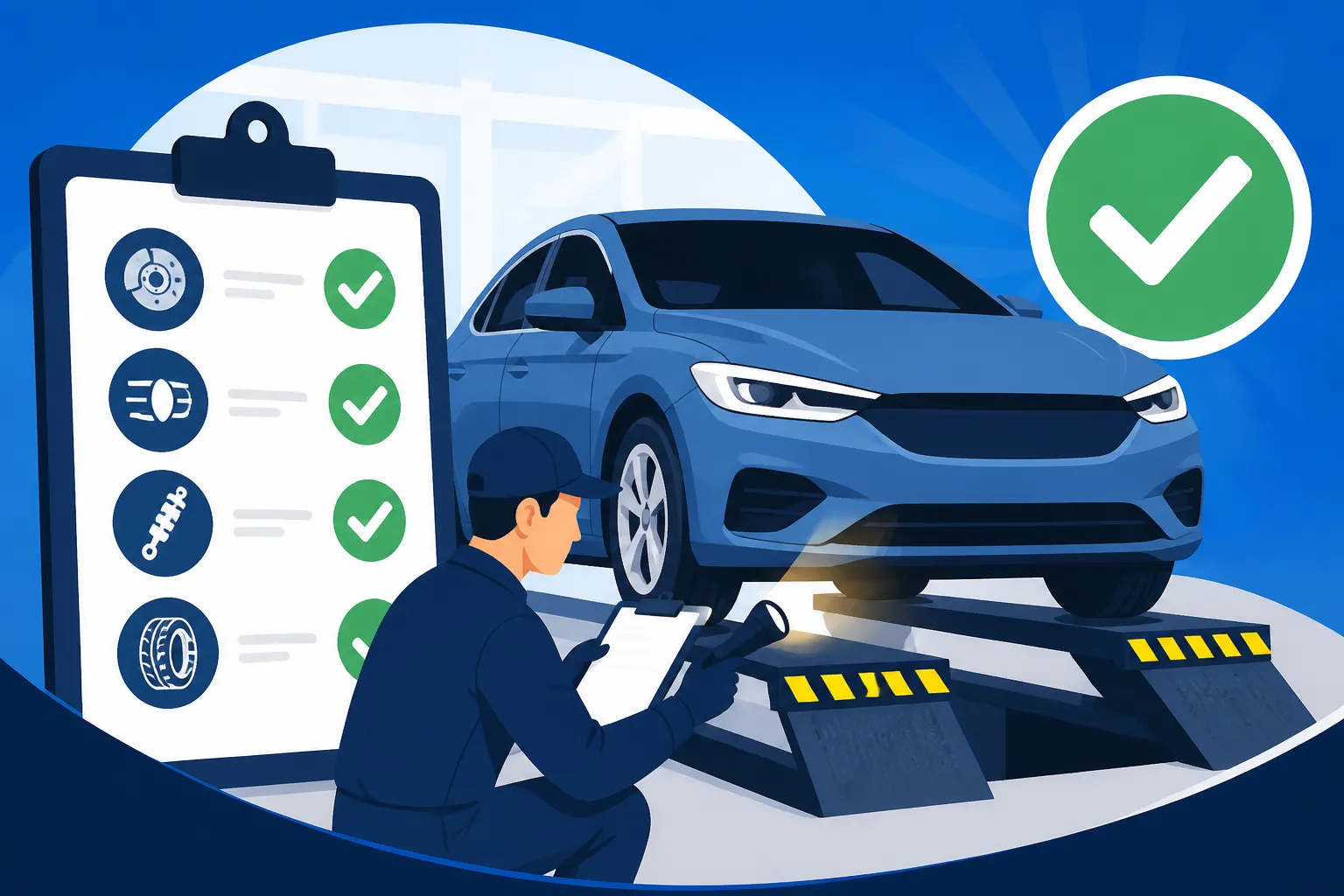
The inspection is comprehensive, covering numerous aspects of your vehicle to ensure it meets safety and environmental standards. Inspectors follow a strict checklist. Here's a general overview of what they typically examine:
- Lights and Signalling: All exterior lights (headlights, tail lights, brake lights, indicators, fog lights, reverse lights, licence plate light) must be functional, correctly aligned, and free from damage. They'll check the brightness and proper colour.
- Brakes: This is a critical one. They'll test the effectiveness of both your service brakes (foot pedal) and parking brake on a special rolling road. Uneven braking or weak braking power can lead to a failure.
- Tires and Wheels: Tires must have sufficient tread depth (minimum 1.6mm for cars, though 4mm is recommended for winter driving), no cuts, bulges, or damage. Wheel bearings and rims are also checked for wear and damage.
- Suspension: Shocks, springs, and other suspension components are checked for leaks, damage, and excessive play. A healthy suspension is vital for vehicle control and comfort.
- Steering: The steering system is examined for excessive play, ensuring precise and safe handling.
- Exhaust System and Emissions: They'll visually inspect the exhaust system for leaks or damage and conduct an emissions test to measure pollutants like carbon monoxide and hydrocarbons. Excessive emissions will result in a fail.
- Bodywork and Chassis: The vehicle's structural integrity is assessed. Significant rust, sharp edges, or damage that could pose a danger are red flags. They'll also check for any modifications that aren't road-legal.
- Windscreen and Wipers: The windscreen must be free of large cracks or damage that obstruct the driver's view. Wipers must work effectively, and the washer fluid system must be functional.
- Seatbelts and Interior: All seatbelts must be present and fully functional. The general condition of the interior and essential safety features are also briefly checked.
- Identification: The Vehicle Identification Number (VIN) must match the dowód rejestracyjny and be legible.
This detailed process ensures that your car is truly roadworthy, not just superficially. If you're a recent arrival, you might have relied on a service like Sirelo to help you relocate your car. If so, it's good practice to give your vehicle a once-over after transport to catch any minor issues before the przegląd.
Possible Outcomes and Next Steps
Once the inspection is complete, there are three main outcomes:
- Pass (Pozytywny wynik badania): Congratulations! Your vehicle has passed. The inspector will stamp your dowód rejestracyjny with a new validity date, and you'll be good to go for another year (or two, depending on your vehicle's age). This is the best-case scenario and what everyone hopes for.
- Conditional Pass (Warunkowy pozytywny wynik badania): This means your vehicle has minor defects that don't immediately pose a danger but need to be rectified. These might include things like a minor crack in a light cover, a worn wiper blade, or a slight brake imbalance. The inspector will note these issues, and you'll typically have 14 days to fix them and return for a re-inspection of only those specific faults. The cost for this follow-up re-inspection is usually minimal. You can still drive your car during this period, but it's strongly advised to get the repairs done quickly.
- Fail (Negatywny wynik badania): This is the outcome nobody wants. It means your vehicle has significant defects that render it unsafe to drive or excessively polluting. If your car fails, the inspector will withhold your dowód rejestracyjny (or make a note in the system that effectively invalidates it for driving) and you are legally prohibited from driving the vehicle, except to a repair shop for the necessary fixes. You then have 14 days to complete the repairs and return for a full re-inspection. If you exceed 14 days, you'll have to pay for a full new inspection, not just the re-check fee. Driving a failed vehicle risks heavy fines and even having your car impounded.
Knowing these outcomes helps you prepare for what might happen and how to react. Don't be too disheartened by a conditional pass or even a fail; it simply means safety first, and you now have a clear list of what needs attention.
Costs, Penalties, and Staying on Top of Things
Understanding the financial implications and legal consequences of the przegląd is just as important as knowing the inspection points.
How Much Does It Cost?
The cost of the przegląd techniczny is regulated by the Polish Ministry of Infrastructure and is standard across all SKPs. This means you won't find stations offering wildly different prices. The exact fee depends on the type of vehicle.
Here's a general breakdown of the approximate costs (as of my last knowledge update, but always check current official rates as they can change):
| Vehicle Type | Inspection Cost (PLN) |
|---|---|
| Passenger car (Osobowy) | ~99 – 126 |
| Passenger car + LPG/CNG installation | ~162 |
| Motorcycle (Motocykl) | ~63 |
| Moped (Motorower) | ~51 |
| Light commercial vehicle (do 3.5t) | ~101 – 128 |
| Truck (Powyżej 3.5t) | ~176 |
| Trailer (Przyczepa) | ~63 – 118 |
Note: These are approximate costs for a standard periodic inspection. Prices can vary slightly for specific vehicle types or additional checks (e.g., after an accident or for taxis).
If your vehicle fails or gets a conditional pass, the re-inspection fee for individual components (like brakes or lights) is usually around 14-20 PLN per item. However, if you miss the 14-day window for re-inspection, you will have to pay for a full new przegląd. This standardisation brings transparency and ensures fair pricing, something expats often appreciate amidst other varying service costs, such as when comparing options for How Much Does Private Health Insurance Cost in Poland in 2026?.
The Price of Forgetting: Penalties and Risks
Missing your przegląd deadline is not an option in Poland. The consequences can be significant:
- Fines: If you are stopped by the police and your przegląd is overdue, you will face a fine, which can range from 1,500 PLN to 5,000 PLN. This is a steep penalty and certainly something to avoid.
- Loss of Vehicle Registration (Zatrzymanie Dowodu Rejestracyjnego): The police have the right to digitally "confiscate" your dowód rejestracyjny if your inspection is expired. This means your vehicle is no longer legally allowed on the road. You'll receive a temporary permit to drive it directly to an SKP for inspection and then directly home or to a repair shop, but further driving without a valid przegląd is prohibited until it's passed and your document status is updated.
- Insurance Issues: Perhaps the most serious consequence is that your vehicle insurance (OC – obligatory third-party liability) might refuse to cover damages if you're involved in an accident with an expired przegląd. While OC is mandatory in Poland, having an overdue inspection could give the insurer grounds to deny your claim, leaving you personally liable for potentially massive costs. This is a risk no expat (or anyone!) should take.
- Roadside Checks: Poland has a pretty robust system for checking vehicle validity. Police can verify your przegląd status electronically, so even if you don't have a physical stamp in your dowód rejestracyjny (newer systems rely on digital records), they'll know if it's expired. Modern tools like the Understanding mObywatel and e-Government Services in Poland app also allow Poles to check their vehicle's status, so it's a very transparent system.
Practical Tips for Expats
Navigating vehicle ownership in a new country requires a bit of savvy. Here are some tips to help you stay on top of your przegląd:
- Mark Your Calendar: The simplest advice is often the best. Immediately after your inspection, note the new validity date in a prominent place – your digital calendar, a physical calendar at home, or even a sticker on your dashboard. Set a reminder a month or two in advance.
- Check Your Dowód Rejestracyjny: The last page of your dowód rejestracyjny will have a stamp with the date of your last inspection and the expiry date. This is the definitive record.
- Utilise Online Tools (if available): While not every city offers specific przegląd reminder services, there are official government websites and apps where you can check your vehicle's current status, including its inspection validity. The mObywatel app, for instance, often integrates vehicle information for Polish citizens, including the date of the next inspection.
- English-Speaking Mechanics/Stations: If you're concerned about the language barrier, try searching for "English speaking Stacja Kontroli Pojazdów [your city]". While a dedicated English speaker might not always be available, larger cities often have facilities accustomed to international clients. Don't be afraid to use a translation app on your phone if needed; most inspectors are used to it.
- Combine with Servicing: Many expats find it convenient to schedule their regular car service or maintenance a month or two before the przegląd is due. This way, any potential issues that might cause a failure can be identified and fixed beforehand, ensuring a smooth pass during the official inspection. This proactive approach saves time and avoids the stress of a failed inspection.
Staying organised with your vehicle documents and knowing the ins and outs of the przegląd techniczny process is just another step towards truly settling into life here. Whether you're considering How to Buy a Used Car in Poland as a Foreigner or already have your trusty steed, these regular checks are an inescapable, but ultimately beneficial, part of being a driver in Poland.
Disclaimer
The information provided in this guide is intended for general informational purposes only and does not constitute legal or professional advice. While we strive to keep the information up-to-date and accurate, regulations and procedures in Poland can change. Always consult official government sources, legal professionals, or relevant vehicle inspection authorities for the most current and specific advice pertaining to your situation.