Understanding mObywatel and e-Government Services in Poland
Moving to Poland often feels like entering a beautiful new world, full of charm and exciting opportunities, but let's be honest, it can also feel like navigating a maze of paperwork, appointments, and baffling administrative hurdles. The good news is that Poland, like many countries, is rapidly digitizing its public services, making life a whole lot easier for us expats. This guide will walk you through mObywatel and other crucial e-government platforms, showing you how to cut through the red tape and manage your official business with a few taps on your phone.
What Exactly is mObywatel and Why Should Expats Care?
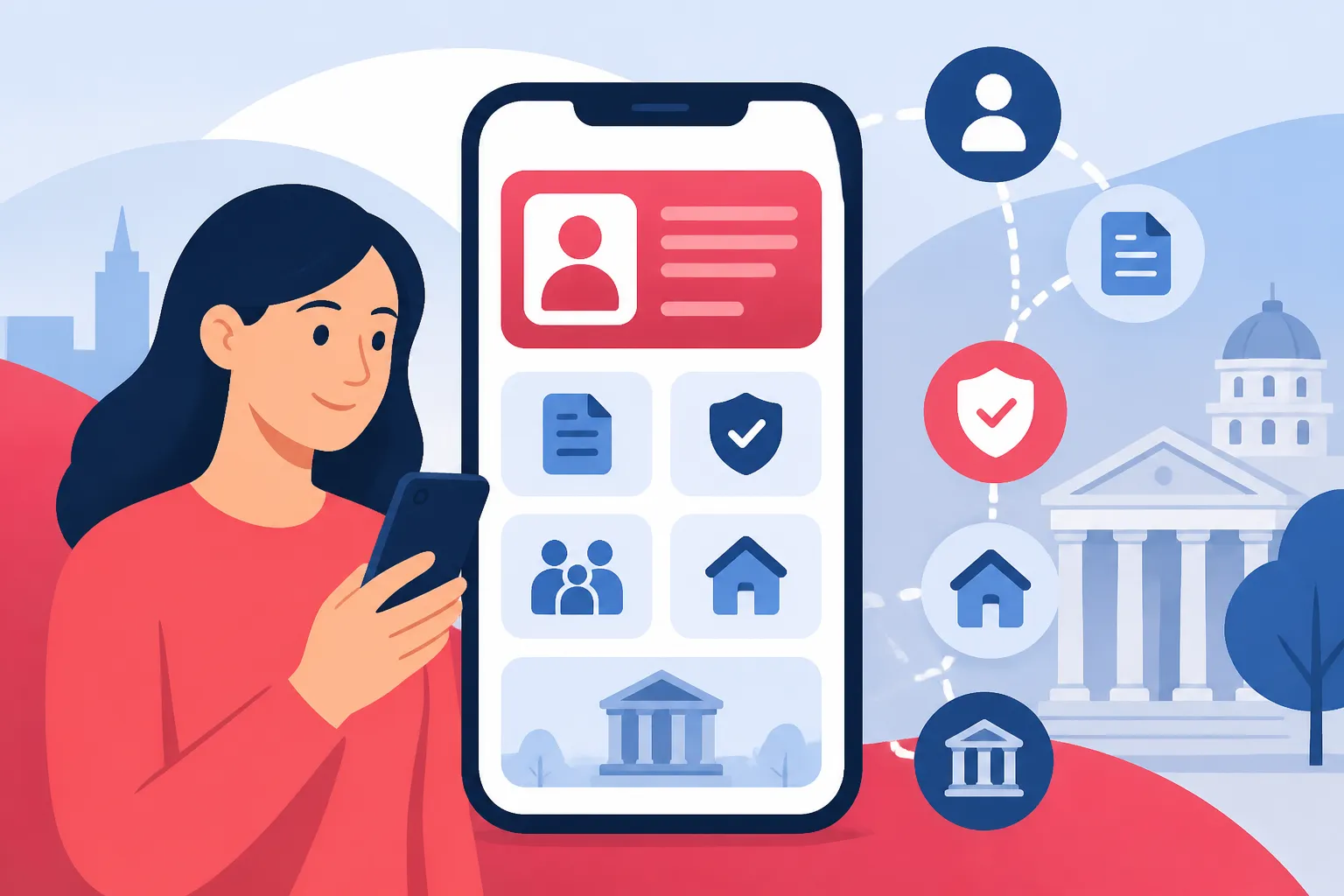
If you've spent any time dealing with Polish bureaucracy, you'll know that physical documents, stamps, and signatures have long been king. The very idea of managing official business from your phone might seem like a dream, but that's precisely what mObywatel aims to deliver. It's Poland's official government mobile application, designed to centralize and digitize many essential documents and services, putting them right in your pocket. Think of it as your digital wallet for Polish officialdom, making everyday interactions with public administration significantly smoother. For expats, this isn't just a convenience; it's a game-changer that can dramatically reduce the stress of living in a foreign country.
The Vision Behind Poland's Digital Transformation
Poland's journey towards a digital government has been a long one, driven by a desire to modernize public services, increase transparency, and, crucially, make life simpler for its citizens and residents. The mObywatel app is a cornerstone of this vision, representing a significant leap forward from the days of endless paper forms and queues. The goal is not just to transfer existing services online but to reimagine how citizens interact with the state, creating a more accessible, efficient, and user-friendly system. This digital push reflects a broader trend across the European Union, where digital identity and e-governance are becoming standard.
From an expat perspective, this means less time spent wrestling with Polish forms in a language you might not yet master, and more time enjoying everything Poland has to offer. The digital transformation acknowledges the evolving needs of a mobile society, providing solutions that resonate with how we live and work today. It's about empowering individuals to manage their affairs on their own terms, whether that's checking vehicle details or accessing medical prescriptions from the comfort of their home.
Key Features and How They Benefit You
The mObywatel app boasts a growing array of features, each designed to simplify a specific aspect of administrative life. At its core, it allows you to store digital versions of your official documents, like your mObywatel ID (mObywatel ID), which is legally recognized in Poland and often accepted in place of a physical ID for many everyday situations. This means fewer worries about carrying your physical ID card everywhere, though it's always wise to keep your physical residence card handy for situations where international travel or specific legal requirements demand it.
Beyond identity, the app lets you access crucial vehicle information, check your penalty points (if you have a Polish driving license), and even access your e-prescription (e-Recepta). Imagine the ease of showing your digital driving license during a police check or presenting your digital student ID for a discount. These functionalities remove common friction points, making interactions faster and less intimidating. The continuous development of the app means more services are frequently added, further streamlining administrative tasks for both Poles and foreign residents alike.
Getting Started: Setting Up Your mObywatel App and Profile
Alright, so the idea of digital documents and streamlined services sounds great, right? But like any good administrative system in Poland, there are a few prerequisites to get you going with mObywatel. Don't worry, it's not nearly as complicated as some of the other bureaucratic hoops you might have jumped through, but it does require some foundational steps. Think of it as laying the groundwork for a much easier digital life.
The Prerequisites: PESEL, Trusted Profile, and a Polish Phone Number
Before you can dive into the world of mObywatel, you'll need three key things firmly in place:
Firstly, and most importantly, you'll need your How to Get Your PESEL Number and Why It Matters for Healthcare. This eleven-digit identification number is absolutely fundamental for almost any official interaction in Poland, including accessing digital government services. Without a PESEL, the system simply won't know who you are. If you don't have one yet, make it your priority – many employers or landlords can assist, or you can apply directly at your local Urząd Gminy (municipal office).
Secondly, you'll need a Profil Zaufany (Trusted Profile). This is your free digital signature and authentication tool for interacting with Polish public administration online. It verifies your identity securely and allows you to sign documents electronically, making it indispensable for accessing services on various government portals, including mObywatel. You can set it up online if you have a Polish bank account with a compatible banking system (like PKO BP, mBank, Santander, ING, Pekao SA, etc.), or by confirming your identity in person at a designated point, such as an Urząd Skarbowy (tax office) or Urząd Wojewódzki (provincial office). Having a strong password and two-factor authentication for your banking app is essential here, as it's the most common way to establish your Trusted Profile.
Lastly, a Polish phone number is crucial. The mObywatel app, like many digital services, relies on SMS verification and links directly to your phone number for secure access. While you might be tempted to stick with your international SIM for a while, getting a local Polish number is a vital step for integration, not just for mObywatel but for everything from banking to utilities. Even before you get your permanent Polish SIM, services like Airalo can keep you connected on arrival, but for mObywatel itself, you will need a properly registered Polish number in your name.
Step-by-Step Installation and Activation
Once you have your PESEL, Trusted Profile, and a Polish phone number, you’re ready to install and activate mObywatel.
First, download the official mObywatel app from your smartphone's app store (Google Play for Android or App Store for iOS). Make sure it's the official app from the Polish government to avoid any fraudulent versions. The logo is usually quite distinctive, featuring a stylized Polish eagle.
After installation, open the app and follow the on-screen prompts to activate it. This usually involves:
- Accepting the terms and conditions. Read them through, as they outline your rights and obligations when using the digital services.
- Entering your PESEL number. This links your digital identity to your official records.
- Authenticating with your Profil Zaufany. The app will redirect you to the Profil Zaufany login page (often through your bank's authentication system). You'll log in using your bank credentials (if you chose that setup method) or your Profil Zaufany login and password, confirming your identity. This is the critical step where your digital identity is securely tied to the app on your phone.
- Setting up a PIN or biometric security. For your security, you'll be prompted to create a PIN for the mObywatel app itself, or enable biometric login (fingerprint/face ID) if your phone supports it. This protects your digital documents from unauthorized access if your phone falls into the wrong hands.
Once these steps are complete, your mObywatel app should be active, and you'll start seeing your digital documents populate. It might take a moment for everything to synchronize, but soon you'll have your mObywatel ID, driving license details, and other essential documents ready for use. It’s a moment of triumph for many expats, finally having a tangible shortcut through the Polish administrative labyrinth.
Essential e-Government Services You Can Access
The beauty of mObywatel and Poland's wider e-government initiative lies in its ability to centralize and simplify. It's not just about having a digital ID; it's about connecting you to a network of services that genuinely impact your daily life here. From managing your health to dealing with traffic, these platforms are designed to make your expat journey less about bureaucracy and more about living.
Managing Your Health Records with IKP and e-Recepta
One of the most practical and frequently used features for expats is the integration with Poland's national health system. Through mObywatel, or directly via the Internetowe Konto Pacjenta (IKP – Online Patient Account), you gain direct access to your personal health records. This is a massive step forward, especially if you're navigating a new healthcare system in a foreign language.
The IKP is a powerful tool where you can view your medical history, including past doctor visits, test results, and referrals. It's linked to your PESEL and Profil Zaufany, so setting up your How to Set Up an Internetowe Konto Pacjenta (IKP) Patient Account is a crucial early step. For instance, if you've recently visited a specialist and received a diagnosis, you can often find a summary of that visit, or even the full report, within your IKP. This significantly helps in keeping track of your health journey and communicating with different healthcare providers, especially if you're seeing multiple doctors.
Even more beneficial is the direct link to the Understanding the e-Recepta (E-Prescription) System in Poland. Gone are the days of deciphering a doctor's hurried handwriting on a paper prescription. Now, your doctor issues an e-recepta, which is immediately accessible in your IKP and, by extension, your mObywatel app. When you need to pick up medication, you simply go to any pharmacy (apteka), provide your PESEL number and the four-digit code for your prescription (which you can find in the app or receive via SMS). This system is incredibly efficient and removes any potential language barriers that might arise when trying to explain what medication you need.
Driving and Vehicle Documents Digitally
For anyone who drives in Poland, the mObywatel app offers invaluable digital convenience. Once activated, you'll find digital versions of your driving license (mPrawo Jazdy) and vehicle registration details (mPojazd) within the app. These are legally recognized within Poland, meaning you don't always need to carry the physical cards with you, though it's still advisable when traveling internationally or in case of unforeseen technical issues with your phone.
Imagine being pulled over for a routine check. Instead of fumbling through your wallet for your physical license, you can simply open the mObywatel app and display your digital mPrawo Jazdy. This feature is a real stress-reducer, particularly for those of us who might forget physical documents from time to time. The mPojazd section also allows you to quickly check important details about your vehicle, such as its next mandatory Understanding the Annual Vehicle Inspection (Przegląd Techniczny) in Poland date and insurance expiry. This proactive information can help you avoid fines for expired inspections or lapsed insurance, making vehicle ownership in Poland much less of a headache.
Interacting with Urzędy and Official Correspondence
While mObywatel digitizes documents, other e-government services streamline your interactions with various urzędy (offices). The Profil Zaufany, as mentioned earlier, is the golden key here. With it, you can log in to a multitude of government portals, submit applications, and receive official correspondence electronically. This significantly reduces the need for in-person visits, which for many expats, means avoiding potentially complex conversations in Polish or long waits in often crowded offices.
For example, you can use your Profil Zaufany to:
- Apply for official documents.
- Check the status of your applications, such as for a residence permit.
- Submit letters or appeals to various administrative bodies.
- Receive official notifications, often through the ePUAP platform, which acts as a secure digital mailbox.
This digital communication channel ensures that you have a verifiable record of all your interactions with the administration, reducing misunderstandings and providing peace of mind. While not every single service is fully digitized yet, the trend is clear: more and more official business can be conducted from your computer or smartphone, making tasks like your How to Register Your Residence (Zameldowanie) at the Urząd in Poland simpler than ever before.
Beyond mObywatel: Other Vital Digital Platforms
While mObywatel is an incredibly powerful hub, it's just one part of Poland's broader e-government ecosystem. To truly master your administrative life as an expat, you'll want to familiarize yourself with a few other crucial online platforms that handle everything from your taxes to your social security contributions. These portals, often accessible with your trusty Profil Zaufany, will become indispensable tools in your life here.
e-Urząd Skarbowy for Taxes
Ah, taxes. A universally dreaded topic, and no less so in a new country. Fortunately, Poland has made significant strides in digitizing its tax system through the e-Urząd Skarbowy (e-Tax Office) portal. This online platform is your primary gateway for dealing with the Polish tax authorities, and it's a huge improvement over the old days of paper forms and manual calculations.
With your Profil Zaufany, you can log in to the e-Urząd Skarbowy to access your pre-filled annual tax return (PIT). For most employed individuals, the system will automatically generate a draft of your Understanding Income Tax (PIT) in Poland: The Full Expat Guide based on data provided by your employer. All you need to do is review it, make any necessary adjustments (like adding tax reliefs), and then accept it. The system also allows you to:
- Check your tax payment history.
- Manage your NIP (Tax Identification Number) details.
- Receive official tax correspondence.
- Pay your taxes online.
This level of automation and digital access is a huge relief for many, especially if you're not fluent in Polish tax jargon. It significantly reduces the chances of errors and ensures you meet your tax obligations on time. For the self-employed, while the process might be a bit more hands-on, the portal still provides essential tools and access to information for managing your tax affairs effectively.
PUE ZUS for Social Security and Insurance
Another behemoth of Polish administration is ZUS, the Social Insurance Institution. For most expats working in Poland, whether employed or self-employed, ZUS contributions are mandatory, covering health insurance, pension, disability, and sick leave benefits. Navigating the complexities of ZUS can be daunting, but the Platforma Usług Elektronicznych ZUS (PUE ZUS) makes it considerably more manageable.
Your PUE ZUS account, also accessible via Profil Zaufany, is your personal hub for all things social security. Here, you can:
- Check your current social security contributions, including your Understanding ZUS Health Contributions (Składka Zdrowotna) in Poland.
- View details of your health insurance coverage.
- Access information regarding your future pension entitlements.
- Submit various ZUS-related forms and applications.
- Check the status of your sick leave documents (L4).
This portal provides transparency and allows you to keep track of your contributions, which are crucial for your future benefits in Poland. It also offers direct communication channels with ZUS, reducing the need for frustrating phone calls or in-person visits. Knowing that all your social security data is consolidated and accessible online provides a significant layer of security and control over your personal information.
CEIDG for Self-Employed Individuals (JDG)
If you're an expat who's ventured into the world of self-employment in Poland, establishing a Jednoosobowa Działalność Gospodarcza (JDG – Sole Proprietorship), then the Centralna Ewidencja i Informacja o Działalności Gospodarczej (CEIDG) portal is your administrative bedrock. This is the central register for all sole traders in Poland, and it's almost entirely digital.
When you're setting up your How to Register a JDG (Jednoosobowa Działalność Gospodarcza) in Poland, you'll primarily use the CEIDG portal to:
- Register your business.
- Update your business details (address, activity codes, etc.).
- Suspend or resume your business activity.
- Close your business.
All these actions can be performed online using your Profil Zaufany. This makes the process of starting and managing a small business in Poland remarkably efficient, especially compared to the analogue systems in some other countries. It significantly cuts down on the initial paperwork and ongoing administrative burden, allowing you to focus more on your actual business activities. Furthermore, the CEIDG portal is also where you'll find information about How to Pay Taxes as a JDG Owner in Poland, streamlining your financial obligations.
Navigating the Challenges and Maximising Convenience
While Poland's e-government services like mObywatel offer incredible convenience, it's not always a completely smooth ride, especially for expats. There are still hurdles to overcome, primarily related to language and ensuring you understand the implications of using these digital tools. But with a bit of guidance and persistence, you can definitely maximize the benefits and truly simplify your life in Poland.
Language Barriers and Where to Find Support
Let's face it, even with the best intentions, Polish bureaucracy can be impenetrable if you're not fluent in the language. While the mObywatel app itself has an English language option, many of the underlying portals and official communications still default to Polish. This can be a significant source of frustration, especially when dealing with complex tax forms on e-Urząd Skarbowy or understanding specific clauses on PUE ZUS.
The good news is that there are resources available. Many Polish banks, like Santander or mBank, which are often used to establish a Profil Zaufany, offer excellent English-language customer support. If you encounter issues with your Profil Zaufany, they can often guide you. For general navigation of the portals, a good browser with a reliable translation feature (like Google Chrome's built-in translator) can be your best friend. While not perfect, it can give you the gist of what you're reading.
Furthermore, many expat groups on social media platforms are vibrant communities where you can ask for advice and clarification. It's often reassuring to know that you're not the only one struggling to understand a particular phrase or process. Professional services, such as accountants or immigration consultants who specialize in expat affairs, can also provide invaluable assistance, ensuring you don't miss any critical steps or deadlines. Don't be afraid to ask for help; it's a common part of the expat experience.
Security and Privacy Considerations
In our increasingly digital world, security and privacy are paramount. When dealing with official government apps and portals, it’s only natural to have concerns about the safety of your personal data. Poland's e-government systems are built with robust security measures to protect your information. Your Profil Zaufany, for instance, uses strong authentication methods, often linked to your secure banking login, which means unauthorized access is difficult without also compromising your bank account.
The mObywatel app itself requires a PIN or biometric authentication every time you open it, adding another layer of security for your digital documents. All data transmission is encrypted, ensuring your personal information remains confidential. However, you also have a role to play in maintaining your digital security. Always keep your phone's operating system updated, use strong, unique passwords, and be extremely wary of phishing attempts (emails or messages pretending to be from government agencies). Never share your Profil Zaufany login details with anyone. Treat your digital identity with the same care you would your physical passport.
When using public Wi-Fi, it's always safer to use a VPN or hold off on accessing sensitive government portals until you're on a secure, private network. These simple precautions go a long way in protecting your data from potential threats.
Future Developments and What to Expect
Poland's digital transformation is an ongoing process, and the e-government landscape is continuously evolving. We can expect even more services to be integrated into mObywatel and other platforms in the coming years. The goal is a truly seamless digital experience, where almost all interactions with public administration can be handled online.
For expats, this could mean even simpler processes for things like How to Open a Bank Account at a Polish Bank as a Foreigner, managing your The Expat Guide to Setting Up Utilities in Poland, or even more streamlined visa and residence permit applications. The government is committed to expanding the range of digital identity documents and integrating services from different ministries and local urzędy. This ongoing development is a positive sign for anyone planning a long-term stay in Poland, promising a future where administrative burdens are significantly reduced. In the meantime, platforms like Sirelo can help you prepare for your move, knowing that once you arrive, the digital tools are waiting to ease your transition. Keeping an eye on official government announcements and updates to the mObywatel app will ensure you stay ahead of the curve and take full advantage of these growing digital conveniences.
| e-Government Service | Main Purpose | Key Requirement(s) | Benefits for Expats |
|---|---|---|---|
| mObywatel App | Digital wallet for official documents (ID, driving license, vehicle) | PESEL, Profil Zaufany, Polish phone number | Convenient access to ID, vehicle info, e-prescriptions; reduces need for physical documents. |
| Profil Zaufany | Secure digital signature and authentication for government portals | PESEL, Polish bank account (or in-person verification) | Essential for logging into almost all e-government services; digital signing of documents. |
| Internetowe Konto Pacjenta (IKP) | Online access to medical records, e-prescriptions, e-referrals | PESEL, Profil Zaufany | View medical history, manage prescriptions, access referrals, monitor health data. |
| e-Urząd Skarbowy | Online tax filing and management with the Tax Office | PESEL, Profil Zaufany | Access pre-filled PIT returns, check tax status, pay taxes, view tax history. |
| PUE ZUS | Portal for social security and insurance management | PESEL, Profil Zaufany | Check ZUS contributions, health insurance status, pension information, communicate with ZUS. |
| CEIDG | Central register for self-employed individuals (JDG) | PESEL, Profil Zaufany | Register, modify, suspend, or close a sole proprietorship business online. |
Disclaimer
The information provided in this guide is intended for general informational purposes only and does not constitute legal, financial, or professional advice. While we strive to keep the content up-to-date and accurate, Polish laws, regulations, and administrative procedures are subject to change. It is always recommended to consult with official government sources, legal professionals, or relevant experts for advice tailored to your specific situation. We cannot be held responsible for any inaccuracies or omissions, or for any actions taken based on the information provided herein.