Understanding the National Bank of Poland (NBP) and Banking Regulation
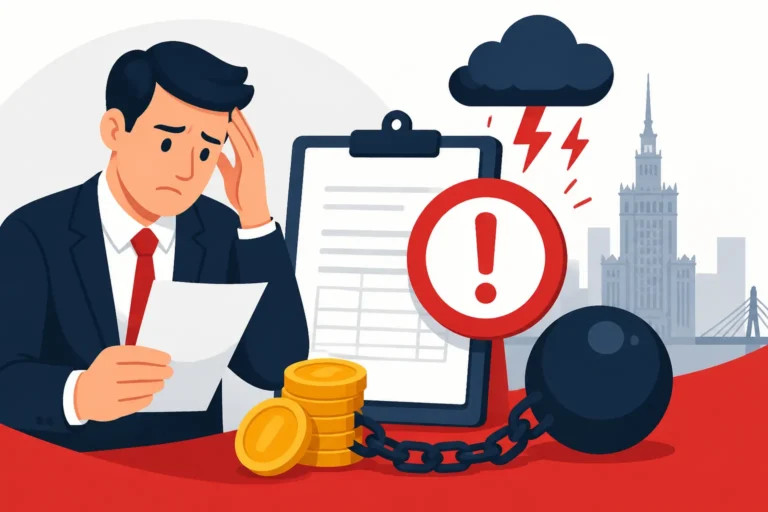
Ah, the wonderful world of Polish banking and financial regulation! If you've ever found yourself staring blankly at a Polish bank form, utterly confused by acronyms like NBP or KNF, or just trying to wrap your head around why a simple account opening takes so many documents, trust me, you're not alone. It can feel like an impenetrable fortress of bureaucracy, but understanding the backbone of Poland's financial system – the National Bank of Poland (NBP) and the regulatory bodies that oversee everything – can genuinely demystify much of your expat financial life here. This guide will walk you through what these institutions do, how they impact your money, and why knowing a bit about them can save you a lot of headaches.
The Role of the National Bank of Poland NBP for Expats
Let's start with the big kahuna: the National Bank of Poland, or NBP. Think of them as the maestro conducting the entire economic orchestra of the country. They're not the ones you'll directly interact with when opening a bank account or making a transfer, but their decisions ripple through every single financial transaction you make in Poland. For us expats, understanding their role is crucial because it directly influences everything from the value of your savings to the cost of your daily groceries.
NBP's Core Functions and Why They Matter to You
The NBP's primary job is to maintain price stability, which in plain English means keeping inflation in check. They do this mainly through monetary policy, by setting interest rates. When interest rates go up, borrowing becomes more expensive, theoretically slowing down the economy and curbing inflation. When they go down, it encourages spending and investment. Why does this matter to you? Well, if you have savings in a Polish bank account, the NBP's interest rate decisions directly affect how much interest you earn (or don't earn). More importantly, controlling inflation means your hard-earned złoty keeps its purchasing power. Imagine working hard, converting your home currency, and then finding that everything costs 10-15% more a year later because the currency is unstable. That’s exactly what the NBP tries to prevent.
Another critical function is managing the official reserves of the country and ensuring the stability of the Polish złoty. For us foreigners, the exchange rate of the złoty against currencies like the Euro, US Dollar, or British Pound is a constant consideration. If you're receiving your salary in PLN but sending money home, or if your income is in a foreign currency but you're living in Poland, fluctuations can hit your wallet hard. The NBP, through various interventions and policies, works to prevent wild, unpredictable swings in the exchange rate that could destabilize the economy and make expat budgeting a nightmare. They're essentially trying to give you a predictable economic environment, which is a big relief when you're already juggling so much in a new country.
Guardian of the Polish Financial System
Beyond just controlling the flow of money and managing currency, the NBP is a key player in ensuring the overall stability and safety of the entire Polish financial system. While they don't directly supervise individual commercial banks (that's largely the role of the KNF, which we'll get to in a moment), the NBP acts as a lender of last resort for banks. This means that if a bank faces a temporary liquidity crisis, the NBP can step in to provide emergency funds, preventing a collapse that could have devastating effects on the economy and, naturally, on your deposits.
This oversight contributes significantly to the trust you can place in Polish banks. When you decide to Open a Bank Account at a Polish Bank as a Foreigner or transfer your life savings here, you want to know that the system is robust and secure. The NBP’s macroeconomic analyses and its role in maintaining systemic stability provide that foundational layer of security. They are constantly monitoring financial markets, assessing risks, and working behind the scenes to ensure that the Polish economy, and by extension your financial future in Poland, remains on solid ground. It’s a bit like having a silent, powerful guardian making sure the playground doesn't turn into a free-for-all, even if you never directly see them on the swings.
Navigating Banking Regulation in Poland
While the NBP sets the broad economic stage, the nitty-gritty of banking regulation – the rules that directly affect how banks operate and how you, as a customer, are treated – falls to another powerful entity: the Polish Financial Supervision Authority, or KNF (Komisja Nadzoru Finansowego). If the NBP is the central bank, the KNF is the watchdog for all commercial financial institutions.
The KNF: Your Primary Regulatory Body
The KNF is the body you'll indirectly encounter most often as an expat dealing with Polish banks. Their job is to supervise banks, insurance companies, pension funds, and capital markets. Essentially, any financial institution that deals directly with consumers falls under their watchful eye. This means they are responsible for ensuring that banks operate fairly, transparently, and in accordance with Polish and EU law. For example, when you sign a loan agreement, buy an insurance policy, or invest through a Polish broker, the KNF is the entity making sure that these products are safe and that the institutions offering them are sound.
If you ever have a serious complaint about your bank that you can't resolve directly, the KNF is the next step. They investigate financial market practices and have the power to impose penalties or issue directives to institutions that are not complying with regulations. This gives you, the consumer, an important layer of protection. Knowing that an independent body is there to ensure fair play, and to intervene when things go wrong, can be a huge comfort, especially when dealing with financial matters in a foreign language. They are the ones who ensure that the rules of the game are followed, safeguarding your interests against potential missteps or unfair practices by financial service providers.
Key Regulatory Frameworks Affecting Expats
Polish banking operates under strict regulatory frameworks, many of which are harmonized with broader EU directives. These regulations, while sometimes feeling like red tape, are primarily designed to protect consumers and prevent financial crime. Two of the most impactful for expats are Anti-Money Laundering (AML) and Know Your Customer (KYC) requirements.
When you How to Get Your PESEL Number and Why It Matters for Healthcare and then try to open a bank account, you'll inevitably face a barrage of questions and requests for documents – proof of address, income, and sometimes even the source of your funds. This is all part of KYC. Banks are legally obliged to verify your identity and understand your financial activities to prevent illegal activities like money laundering and terrorist financing. While it can be incredibly frustrating to provide so many documents, especially when you're just trying to get settled, it's a non-negotiable part of the process. These strict checks contribute to the overall security and trustworthiness of the Polish financial system.
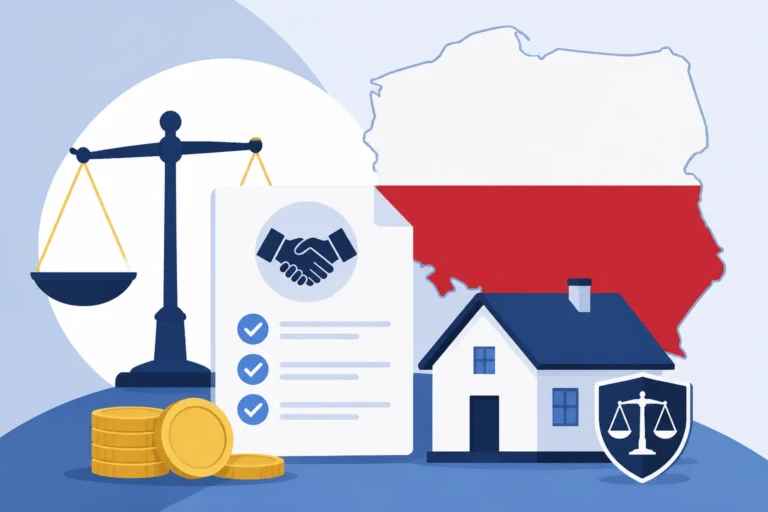
Another crucial framework is the deposit guarantee scheme, overseen by the Bankowy Fundusz Gwarancyjny (BFG). This fund guarantees deposits in Polish banks up to a certain amount, currently the equivalent of €100,000 per depositor per bank. This means that if your bank were to go bust (a highly unlikely but always possible scenario), your savings would be protected up to that limit. This assurance is invaluable, offering peace of mind that your money is safe, even in the event of unforeseen financial turmoil. It’s an essential safety net that all major Polish and EU banks adhere to, providing a robust shield for your hard-earned cash.
Opening and Managing Bank Accounts: Regulatory Considerations
The journey of opening a bank account in Poland is often an expat's first real encounter with the country's robust banking regulations. It’s a moment where you realize just how much information is required and how different it can feel from your home country. While it might seem like excessive bureaucracy, these processes are deeply rooted in the regulatory frameworks designed to protect both the financial system and you, the customer.
KYC and AML: The Gatekeepers of Your Funds
I’ve heard countless stories, and experienced some myself, of the sheer volume of paperwork required to simply open a current account. You walk in, usually armed with your passport, residence permit (Karta Pobytu), and a How to Get a PESEL and NIP Number in Poland, thinking it will be a quick affair. Then, the bank asks for proof of address, a confirmation of employment, your tax residency certificate, and sometimes even details about where your initial funds came from. "Why all this?" you might ask in exasperation.
This is where KYC (Know Your Customer) and AML (Anti-Money Laundering) regulations truly come into play. Banks aren't just being nosy; they are legally mandated to gather this information to verify your identity, understand your financial profile, and assess any potential risks. They need to ensure that the funds flowing into and out of their system are legitimate and not connected to illicit activities. It's a global standard, but the implementation and the exact documents required can vary. For foreigners, this often means needing stable residency documents and clear proof of legitimate income. It can certainly slow things down when you're new to the country, but it’s a necessary hurdle to ensure the integrity of the financial system for everyone. Be prepared to be patient and have all your documents in order, possibly even more than you think you'll need.
Deposit Guarantees and Consumer Protection
Once you’ve successfully navigated the gauntlet of account opening, your money is now sitting in a Polish bank. The next crucial regulatory aspect for your peace of mind is the deposit guarantee system. As mentioned earlier, the Bankowy Fundusz Gwarancyjny (BFG) protects your deposits. This isn't just a theoretical concept; it's a real, tangible safety net. All commercial banks operating in Poland are required to contribute to this fund, which guarantees your deposits up to the equivalent of €100,000 per bank, per customer.
This guarantee covers not just your checking and savings accounts, but also fixed-term deposits (lokaty) and other specific types of accounts. So, if you have 80,000 EUR in an mBank account and 70,000 EUR in a Santander account, and both were to unexpectedly collapse (again, highly unlikely scenario for reputable banks), you would be fully protected for both amounts, as the guarantee is per bank. This regulatory measure is a cornerstone of consumer protection and allows expats to confidently place their savings in Polish financial institutions. Beyond this, the KNF also fields consumer complaints, ensuring that if you feel a bank has acted unfairly or breached its contractual obligations, you have a formal channel to seek redress, thereby upholding consumer rights in the Polish financial market.
International Money Transfers and Currency Exchange
For many expats, the need to send money home or receive funds from abroad is a regular occurrence. This is where the National Bank of Poland's influence on the złoty, combined with other banking regulations, directly impacts your daily financial decisions. It's not just about finding the cheapest service; it's about understanding the underlying forces at play.
NBP's Influence on the Polish Złoty
The value of the Polish złoty (PLN) against other major currencies, like the Euro, US Dollar, or British Pound, is keenly watched by anyone living and working here. If you're earning in PLN but have financial commitments back home, a weakening złoty means your money buys less abroad. Conversely, if your income is in USD and you're living in Poland, a stronger złoty means your foreign earnings stretch less here. The NBP's monetary policy decisions – particularly interest rate changes – are significant drivers of this. Higher interest rates can attract foreign investment, increasing demand for the złoty and potentially strengthening its value. Lower rates might have the opposite effect.
However, it's not just about interest rates. The NBP also manages Poland's foreign exchange reserves and can intervene in the market if the złoty's fluctuations become too extreme or threaten financial stability. These interventions, while not everyday occurrences, demonstrate the NBP's commitment to maintaining a relatively stable currency environment. While no central bank can fully control global market forces, the NBP’s actions aim to mitigate extreme volatility, providing a more predictable landscape for expats managing international finances. This stability allows for more confident financial planning, whether you are saving up for a down payment or regularly How to Transfer Money Internationally from a Polish Account.
Regulatory Landscape for Foreign Exchange and Transfers
When it comes to actually moving money across borders, the regulatory landscape is designed to ensure transparency, prevent fraud, and comply with international financial crime standards. This applies whether you're using a traditional bank transfer or a specialized money transfer service. While traditional banks offer these services, they often come with higher fees and less favorable exchange rates, primarily due to their operational overheads and different pricing models.
This is where specialized fintech companies like Wise (formerly TransferWise) have carved out a significant niche. These platforms operate under strict financial regulations in Poland and other jurisdictions, often regulated by bodies similar to the KNF or specific payment service regulators. They typically offer more competitive exchange rates because they often use the mid-market rate and transparent, upfront fees. For expats, using such services can lead to significant savings on currency conversion, making your international transfers much more efficient. They are an example of how innovation, within a regulated environment, can benefit consumers, offering a streamlined process while still adhering to all necessary KYC and AML checks. Choosing a reputable, regulated service for your international transfers is key to both cost-effectiveness and security.
Fintech and Digital Banking: Opportunities and Oversight
Poland has rapidly embraced digital banking, becoming one of Europe's leaders in financial technology (fintech). For expats, this means a blend of convenience and innovation, all operating under the watchful eye of the country's financial regulators.
The Rise of Digital Banking in Poland
If you've spent any time in Poland, you've likely noticed how advanced the banking sector is. Online banking platforms are incredibly sophisticated, offering a vast array of services at your fingertips. Mobile banking apps are equally robust, allowing you to do everything from checking your balance and paying bills to setting up recurring payments and managing investments. Features like BLIK, a popular mobile payment system, allow for instant, code-based payments in stores, online, and peer-toto-peer, practically revolutionizing daily transactions. It’s definitely a convenience that makes navigating daily life much easier for us expats. You can often How to Set Up Online Banking and BLIK Payments in Poland within minutes of opening your account.
Major Polish banks like PKO BP, mBank, Santander, and ING Bank Śląski have heavily invested in their digital offerings, making them highly accessible and user-friendly. Many even offer English-language interfaces and customer support, which is a massive relief when you’re still wrestling with the Polish language. This high level of digital integration means fewer trips to a physical branch and more control over your finances from the comfort of your home. However, with great convenience comes the need for great caution – cybersecurity is paramount, and it’s important to always follow best practices to protect your accounts and personal data, especially in an increasingly digital world.
Regulatory Stance on Fintech and Innovative Services
The rapid growth of fintech poses unique challenges and opportunities for regulators like the NBP and KNF. On one hand, they want to foster innovation and allow new services to emerge that benefit consumers and the economy. On the other, they must ensure that these new technologies and platforms don't introduce systemic risks or leave consumers vulnerable. The KNF, in particular, has been actively engaged in adapting regulations to cover emerging fintech, including payment institutions, crowdfunding platforms, and crypto-asset service providers.
This regulatory oversight ensures that even innovative digital services adhere to strict standards of financial stability, consumer protection, and anti-money laundering measures. For instance, while you might use a relatively new budgeting app linked to your bank account, rest assured that the underlying data security and operational standards are still subject to KNF scrutiny. This balanced approach means that expats can often take advantage of cutting-edge financial tools in Poland without sacrificing the security and regulatory protections they would expect from traditional banking. It demonstrates Poland's forward-thinking approach to finance while maintaining a strong commitment to a stable and secure financial environment.
Common Expat Banking Challenges and Regulatory Solutions
Even with a well-regulated and modern banking system, expats often face unique challenges. These typically stem from language barriers, administrative differences, and the complexities of navigating tax systems between countries. Understanding how regulations address, or sometimes complicate, these issues is key.
Language Barriers and Bureaucracy: A Constant Battle
Let's be real: navigating official Polish paperwork, especially in a bank, can be incredibly intimidating if your Polish isn't fluent. While many banks now offer English support, particularly in larger cities like Warsaw, Krakow, or Wroclaw, you're not always guaranteed an English-speaking representative, especially in smaller branches or for more complex issues. Trying to understand intricate terms like "oprocentowanie" (interest rate), "prowizja" (commission fee), or "umowa ramowa" (framework agreement) can feel like deciphering ancient hieroglyphs. This language barrier often exacerbates the feeling of bureaucracy, making simple tasks seem monumental.
This is where the regulatory push for transparency, even if not always perfectly delivered in English, still offers a layer of protection. Banks are required to clearly state terms and conditions, fees, and charges. Even if you need a translator, the information is there. Furthermore, the KNF's role in consumer protection means that any misrepresentation due to language barriers, while difficult to prove, can be challenged. My advice? Don't be afraid to ask for English support, bring a Polish-speaking friend, or use translation apps for crucial documents. Persistence, and knowing that there's a regulatory body to back you up in extreme cases, goes a long way.
Tax Implications and Reporting Requirements
For many expats, their financial life in Poland isn't neatly separated from their financial life in their home country. This intertwining of finances can create complex tax situations, and understanding the regulatory implications is paramount. The Polish tax system, like any other, has specific rules for residents and non-residents, and how your banking activities interact with these rules is crucial.
For instance, if you're working remotely for a foreign company but living in Poland, or if you have income streams from abroad, you need to understand your Tax Residency in Poland: A Definitive Guide for Expats (2027) to ensure you're compliant with Polish tax law. Banks, under regulatory obligations, might ask for your tax identification numbers (like your PESEL or NIP) and declare certain information to the Polish tax office (Urząd Skarbowy). This is particularly true for interest earned on savings or certain investments. Understanding when and How to Declare Foreign Income to the Polish Tax Office or when you need to submit your Filing Your Annual Tax Return (PIT) in Poland: The Complete Walkthrough (2027) is essential. Resources focusing on Taxes for Expats are incredibly helpful here, as they often bridge the gap between financial regulation and tax obligations. Overlooking these requirements can lead to penalties, so it's always best to be proactive and understand your obligations, connecting your banking activities to your overall tax strategy.
Regulatory Bodies in Polish Banking: At a Glance
To summarize, here's a quick look at the main institutions governing the Polish financial landscape and their primary roles:
| Institution | Primary Role | Expat Impact |
|---|---|---|
| National Bank of Poland (NBP) | Sets interest rates, controls currency stability, manages foreign exchange reserves, issues banknotes, and acts as a central bank. | Directly influences the value of the złoty, inflation, and overall economic stability, which impacts expats' cost of living, savings, and international transfers. |
| Polish Financial Supervision Authority (KNF) | Supervises commercial banks, insurance companies, pension funds, and capital markets. It ensures market stability and consumer protection. | Directly oversees the banks expats interact with, ensuring fair practices, resolving complaints, and maintaining the security of individual deposits through institutions like the BFG. |
| Bankowy Fundusz Gwarancyjny (BFG) | Poland's deposit guarantee scheme. Ensures that depositors are compensated up to a legal limit if their bank fails. | Guarantees expat bank deposits up to the equivalent of €100,000 per bank, per customer, providing a crucial safety net for savings. |
| Urząd Skarbowy (Tax Office) | Collects taxes and ensures compliance with Polish tax laws. | Expats must interact with them for filing Understanding Income Tax (PIT) in Poland: The Full Expat Guide, reporting foreign income, and understanding their The Complete Guide to Taxes in Poland for Expats (2027). |
Disclaimer
The information provided in this article is intended for general guidance and informational purposes only, and does not constitute professional financial, legal, or tax advice. While we strive to keep the information up-to-date and accurate, regulations and procedures in Poland can change rapidly. Expats should always consult with a qualified Polish financial advisor, tax specialist, or legal professional for advice tailored to their specific situation. Relying solely on the information presented here is at your own risk.