How Do I Get a Student ID at a Polish University?
Alright, so you've made the leap and are starting your academic adventure in Poland – congratulations! While the thrill of new beginnings in a foreign land is immense, it's often accompanied by a unique brand of administrative chaos. One of the first rites of passage, and often a source of bewildering frustration, is figuring out how to get your student ID, or legitymacja studencka. This isn't just a piece of plastic; it's your golden ticket to student life here, and this guide will walk you through every step, demystifying the process so you can get yours with minimal headaches.
The Polish Student ID Legitymacja Studencka: More Than Just a Card
When you first arrive, you might think a student ID is just something to flash when you need to confirm you're, well, a student. And yes, it does that, but in Poland, the legitymacja studencka is a surprisingly powerful little card. It's an essential document that unlocks a whole world of benefits and is required for numerous administrative functions throughout your studies.
Unlocking Discounts and Perks Across Poland
This is where your legitymacja truly shines. Polish student IDs come with a fantastic array of discounts that can make a real difference to your budget, which is always a concern for us expats! You'll find yourself reaching for it constantly, saving a good chunk of change over the course of your studies.
For starters, you'll typically get significant reductions on public transport. In most cities, this means a 50% discount on bus, tram, and metro tickets. Imagine the savings on your daily commute or weekend explorations! This benefit alone is worth the initial bureaucratic hurdle. Beyond transport, many museums, art galleries, and cultural institutions across Poland offer reduced entry fees for students. Heading to a historical site in Krakow or a modern art exhibition in Warsaw? Flash that legitymacja and enjoy the cultural immersion without breaking the bank.
Cinemas, theatres, and even some restaurants and cafes also participate in student discount programs. Keep an eye out for "zniżka studencka" signs. You'd be surprised how many places offer a little something extra for students. It's a tangible way the country supports its academic community, and it genuinely enhances your student experience. Plus, it serves as crucial proof of student status for things like part-time work, where understanding your Understanding ZUS Contributions for Employees in Poland can be important.
Physical Card vs. Digital mLegitymacja: The Modern Touch
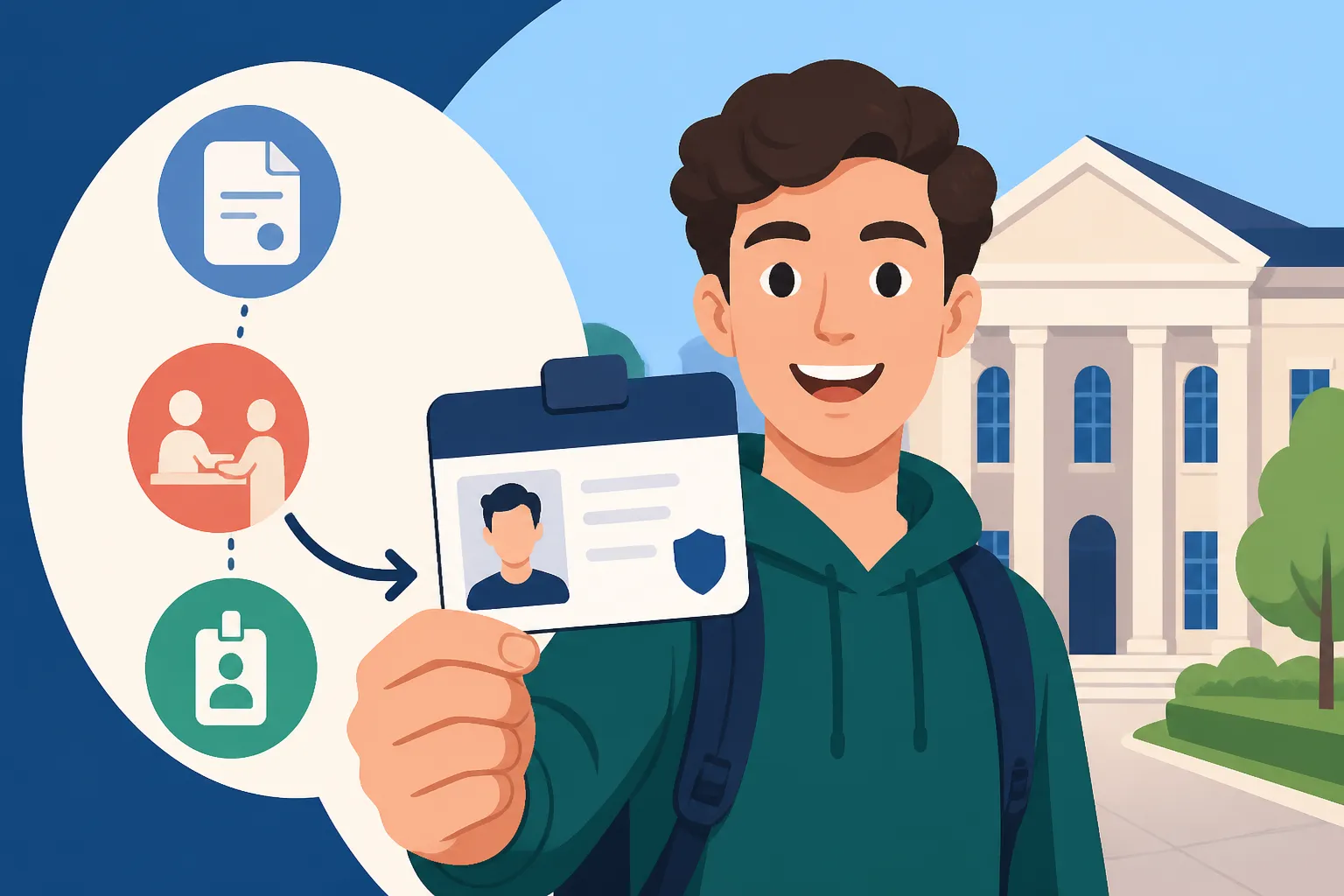
For years, the legitymacja was solely a physical card, much like any other ID. It's a durable plastic card with your photo, name, university details, and a unique identification number. It also has a special holographic sticker, which you'll quickly learn is the key to its validity each semester.
However, Poland is steadily embracing digital solutions, and the student ID is no exception. Many universities now offer a digital version, known as mLegitymacja, which you can access through the official government application, mObywatel. If you haven't already, getting familiar with Understanding mObywatel and e-Government Services in Poland is a must for any expat here. The mObywatel app acts as a digital wallet for various official documents, and your mLegitymacja will function identically to the physical card for most purposes.
It's handy because you always have your phone, right? No more forgetting your card at home. That said, it's generally a good idea to have both, especially when you're just starting out or dealing with older institutions that might still prefer the physical format. Always double-check with the specific vendor or institution if they accept mLegitymacja before relying solely on it for a discount.
The Step-by-Step Process to Getting Your Legitymacja Studencka
Now, let's get down to the nitty-gritty of actually acquiring this precious piece of plastic. The process is fairly standardized across Polish universities, though there might be slight variations depending on your institution. Patience and attention to detail are your best friends here.
The Initial Application and Required Documents
First things first, you can't get your student ID until you are officially, unequivocally, enrolled as a student. This means you’ve received your acceptance letter, possibly paid your first tuition installment, and completed any initial registration steps with your university. If you're still navigating the application process, our guide on How to Apply to a Polish University as an International Student might be a good first stop.
Once you’re in, the process usually kicks off via your university’s online student portal, most commonly the Universal System of Student Services, or USOS. If you're new to this system, it's worth checking out our article on Understanding the Polish Academic Calendar and USOS System. You'll typically log in, find a section dedicated to the student ID, and begin the application.
Here's a list of documents you'll generally need, which you'll either upload digitally or submit physically:
- Proof of Enrollment: This will usually be automatically linked to your application in USOS once you're officially registered.
- A High-Quality Digital Photo: This is probably the most crucial and often the most frustrating requirement. Polish student ID photos are notoriously strict. They need to be:
- Biometric: Similar to passport photos.
- Against a plain white background.
- Showing your full face, looking directly at the camera.
- No hats, scarves (unless for religious reasons), or glasses that obscure your eyes.
- Specific dimensions: Often 35x45mm (width x height) with your head taking up a certain percentage of the frame.
- Proof of Identity: Your passport or national ID card.
- PESEL Number (Optional but Recommended): While not always strictly mandatory for the legitymacja itself, having a PESEL number (Poland's national identification number) makes almost every administrative process smoother. If you don't have one yet, definitely read up on How to Get Your PESEL Number and Why It Matters for Healthcare. You might find that your university asks for it anyway, or that having it simplifies other parts of your registration.
The photo is truly where many students stumble. My best advice is to go to a professional photo studio in Poland and simply tell them you need a "zdjęcie do legitymacji studenckiej." They know the exact specifications and will usually get it right the first time, saving you the hassle of endless re-uploads.
Paying the Fee and Collection
Yes, there's usually a small fee for the initial issuance of your legitymacja studencka. This isn't usually a hefty amount, typically somewhere between 17-22 PLN. The exact amount will be communicated by your university.
The payment process usually involves generating a unique payment number (often via USOS) and then making a bank transfer to the university's specific account. You might be able to pay through your online banking (if you've already managed to How to Open a Bank Account at a Polish Bank as a Foreigner) or at a post office. Make sure to include the correct payment title so your payment is properly allocated.
Once the payment is processed and your photo approved, the university will begin the production of your card. This isn't an instant process and can take anywhere from a few days to a couple of weeks, especially at the beginning of a new academic year when thousands of students are applying.
Collection: You'll typically be notified via your student email or USOS when your legitymacja is ready for collection. This usually happens at your faculty's Dean's Office (dziekanat) or a central student services point. When you go to collect it, remember to bring:
- Your passport or national ID.
- Any temporary student identification provided by the university.
- Proof of payment (just in case they need to verify).
Be prepared for a queue, especially during peak times. It's Poland, after all, and queues are part of the charm (or frustration, depending on your mood that day!).
Common Hurdles and How to Overcome Them
Let's be real: navigating bureaucracy in a foreign country, especially with a language barrier, can feel like you're trying to solve a Rubik's Cube blindfolded. Getting your student ID in Poland is no exception. But don't despair, many of us have been there, and there are ways to make it less painful.
Language Barriers and Bureaucracy: The Dziekanat Challenge
The dziekanat (Dean's Office) is where most of your administrative battles will be fought. While staff at larger, more international universities in cities like Warsaw or Krakow are often proficient in English, it's not always guaranteed, especially in smaller towns or less international faculties. You might encounter staff who speak limited English, or none at all. This can be incredibly frustrating when you're trying to clarify a specific photo requirement or find out why your application is stalled.
How to Overcome:
- Be Prepared with Phrases: Learn a few key Polish phrases related to your student ID. Even a small effort can go a long way. "Chciałbym odebrać legitymację studencką" (I would like to collect my student ID) or "Gdzie mogę złożyć wniosek o legitymację?" (Where can I submit an application for the ID?) can be lifesavers.
- Bring a Polish Speaker: If you have a Polish friend, classmate, or even a kind stranger who can spare a few minutes, having them accompany you to the dziekanat can make the process significantly smoother.
- Use Translation Apps: Google Translate or similar apps can be invaluable for quick communication. Just remember to speak slowly and clearly.
- Patience, Patience, Patience: Polish bureaucracy often requires a healthy dose of patience. Things might move slower than you're used to, and it's best to accept this reality rather than letting it stress you out too much.
- Email Communication: If face-to-face is proving difficult, try emailing the dziekanat. This gives them time to translate and formulate a response, and you get a written record.
If you're struggling with the Polish bureaucracy at the dziekanat, it's a perfect motivator to brush up on your Polish. Services like iTalki can be incredibly helpful for practicing specific administrative phrases or even just gaining confidence for daily interactions. A little language practice can seriously reduce your stress levels when dealing with Polish officialdom.
Photo Woes and System Glitches
As mentioned, the photo is a common stumbling block. The online systems can be particular about resolution, file size, and the exact framing of your face. You might upload a seemingly perfect photo, only for the system to reject it for an ambiguous reason.
How to Overcome:
- Professional Photos are Key: Seriously, just go to a photo studio. They have the equipment and experience to get it right according to Polish standards. It's a small investment that saves you major headaches.
- Read Instructions Meticulously: Re-read the photo requirements on your university's portal several times. Are there specific pixel dimensions? A maximum file size? Does it explicitly state "white background only"?
- Contact IT/Student Support: If you're confident your photo meets the requirements but the system keeps rejecting it, don't hesitate to reach out to the university's IT support or student services. There might be a technical glitch on their end, or they can offer more specific guidance.
- Try Different Browsers/Devices: Sometimes, simple tech fixes like trying a different web browser or even a different computer can resolve submission issues.
It's easy to feel like you're banging your head against a wall when these administrative tasks feel insurmountable, but remember, every expat here has been through similar trials. You'll get there!
Using and Renewing Your Student ID in Poland
Congratulations! You've navigated the bureaucracy, mastered the photo requirements, and now hold your shiny new legitymacja studencka. But the journey isn't quite over. Like all good things, it has an expiration date and needs a bit of care.
Validation and Validity Periods
Your student ID isn't valid indefinitely. It needs to be validated each semester to remain active. This is done by applying a small, holographic sticker to a designated spot on the card. Each sticker indicates the semester and academic year for which the card is valid.
- Validity: Typically, the stickers are issued for a semester. For example, if you get a sticker for the winter semester (October-February), it might be valid until March 31st of the following year. The summer semester (March-June) sticker might be valid until October 31st. The exact dates are usually printed on the sticker itself.
- How to Validate: The process for getting these stickers is usually much simpler than the initial card issuance. Once you've re-enrolled for the next semester and paid your tuition fees, you can typically go to your dziekanat (or a designated collection point) and simply ask for a new sticker. They'll check your status in the system and hand you the appropriate sticker to affix to your card. No new photos or lengthy applications!
- Why it Matters: Without a current sticker, your card is effectively invalid. This means no student discounts on transport, museums, or anything else. Always make sure your legitymacja is up-to-date!
Holding onto your student ID can be helpful for various official purposes, even when it comes to understanding your financial obligations. For example, knowing your student status might even influence certain aspects of your tax situation, though it's always best to consult experts like those found at Taxes for Expats regarding your specific fiscal responsibilities in Poland.
What to Do If Lost or Damaged
Accidents happen, and sometimes that precious legitymacja goes missing or gets damaged beyond recognition. Don't panic, but do act quickly.
- Report Immediately: The first step is to report the loss or damage to your university's dziekanat or student services office. They will usually deactivate the old card to prevent misuse.
- Application for a Duplicate: You'll then need to apply for a duplicate card. This process is very similar to the initial application but usually involves filling out a specific form for lost/damaged cards.
- Replacement Fee: Be prepared to pay a replacement fee. This is often slightly higher than the initial issuance fee, typically around 25-30 PLN. This covers the cost of production and the administrative effort.
- New Photo: Depending on how old your last photo was, you might need to provide a new one, so keep those biometric photo studios in mind!
- Waiting Time: Just like the initial card, there will be a waiting period for your replacement. Plan accordingly and ask if they can provide any temporary proof of student status if you need to access discounts urgently.
Remember, your legitymacja is a crucial piece of identification as a student in Poland. It proves your status for academic purposes, travel discounts, and even some government services if you ever need to apply for things like a How to Get a Temporary Residence Permit (Karta Pobytu) in Poland. Treat it with care, keep it validated, and you'll navigate your student life in Poland with ease and a lighter wallet!
Overview of Student ID Features and Benefits
To give you a clearer picture, here's a quick rundown of what your Polish student ID means for you:
| Feature/Benefit | Description | Important Note |
|---|---|---|
| Proof of Student Status | Officially certifies you are an enrolled student at a Polish university. | Required for many university services and external applications. |
| Public Transport Discounts | Up to 50% off fares on buses, trams, and metro in most Polish cities. | Must be validated with current semester sticker. Check local public transport rules. |
| Cultural Venue Discounts | Reduced entry fees for museums, galleries, theatres, and historical sites. | Varies by institution; always ask for "zniżka studencka." |
| Cinema/Event Discounts | Special student prices for movie tickets, concerts, and other events. | Check specific venue websites or at the box office. |
| Library Access | Often serves as your library card for university and sometimes public libraries. | Usually linked directly to your university account. |
| M-Legitymacja (Digital ID) | Digital version accessible via the mObywatel app, functioning largely like the physical card. | Physical card is still recommended as a backup; some places may not yet accept digital. |
| Validity | Valid for one semester (or academic year, depending on the sticker) and requires regular re-validation. | Without a valid sticker, discounts and official use are not possible. |
| Replacement | Can be replaced if lost or damaged, usually for a fee. | Report loss immediately to the dziekanat. |
This ID is truly a cornerstone of student life, and while the process to get it can be a bit of a dance, the benefits are well worth it. You've got this!
Disclaimer
Please remember that while this guide provides comprehensive information based on general practices for expats in Poland, university regulations and administrative procedures can change. Always consult your specific university's official website or Dean's Office (dziekanat) for the most accurate and up-to-date requirements and information relevant to your situation.