How Do I Find a Job in Poland from Abroad?
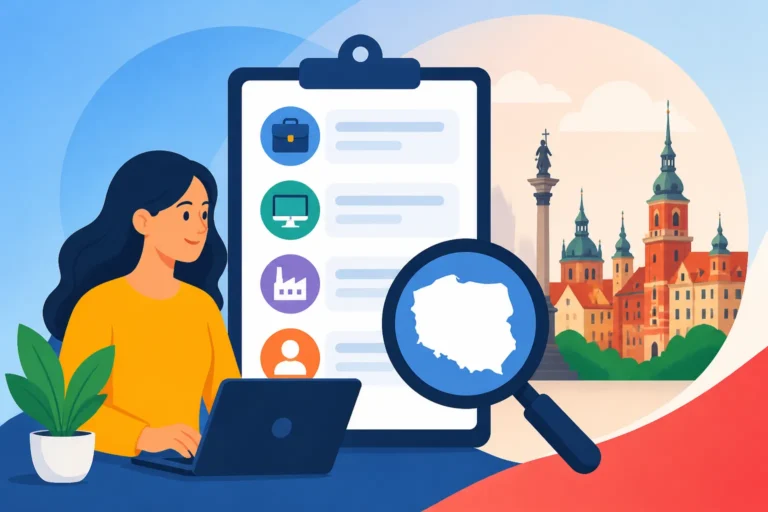
So, you're dreaming of a new adventure, a fresh start in a vibrant country like Poland, but you're still sitting at your kitchen table, a thousand miles away, wondering how on earth you're going to land a job from here. Believe me, I've been there. The idea of navigating a foreign job market, with all its unique quirks and bureaucratic hurdles, while still in your home country can feel incredibly daunting, like trying to cook a complicated Polish pierogi recipe without ever seeing a kitchen. This guide is here to demystify that process, walking you through the practical steps and insider tips to help you secure a job in Poland before you even pack your bags.
Laying the Groundwork: Before You Even Start Applying
Before you dive headfirst into sending out applications, it's crucial to understand the landscape of the Polish job market and prepare yourself with the right tools and knowledge. Think of it as mapping out your journey before you set off – you wouldn't want to get lost in the forest of job postings, would you?
Understanding the Polish Job Market from Afar
Poland's economy has been booming for years, and with that growth comes a demand for talent, often including international professionals. However, not all sectors are equally open to foreigners, and not all cities offer the same opportunities. You'll find that the most in-demand sectors for expats typically revolve around IT, Business Process Outsourcing (BPO), Shared Service Centers (SSC), manufacturing, and increasingly, specialized healthcare roles.
In the IT sector, for example, cities like Warsaw, Krakow, and Wroclaw are bustling tech hubs, constantly seeking software developers, QA engineers, data scientists, and IT support specialists. Many international companies operate here, with English as their primary working language, making them a natural fit for foreigners. Similarly, the BPO/SSC sector, which handles everything from finance and accounting to customer service and HR for global corporations, thrives on multilingual talent. You’ll find large centers in most major Polish cities, often hiring people proficient in a wide array of European languages, as well as English. Knowing this helps you narrow down your search and focus your efforts where they're most likely to yield results.
Essential Documents and Legalities to Prepare
One of the biggest anxieties for anyone looking to work abroad, especially from outside the EU/EEA, is the mountain of paperwork. While your employer will typically handle the heavy lifting for your work permit and visa, having your ducks in a row well in advance will save you immense stress. The absolute non-negotiables are a valid passport with plenty of expiry time left and original copies of your academic degrees and professional certifications. These documents will be scrutinized, translated (often sworn translations), and verified throughout the process. Don't underestimate the time it takes to gather these or get certified copies.
For non-EU/EEA citizens, the path to legal employment in Poland almost always starts with a work permit (zezwolenie na pracę), which your prospective employer must secure for you. This permit is then usually the basis for obtaining a National (Type D) visa from a Polish consulate or embassy in your home country, which allows you to enter Poland and apply for your temporary residence permit (Karta Pobytu) once you arrive. It’s a multi-step process, and you can delve deeper into the specifics by checking out our guide on How to Get a Work Permit (Zezwolenie na Pracę) in Poland. While you might hear about the PESEL number (your personal identification number) or NIP (tax identification number), these are usually acquired after you've secured your job offer and relocated, typically during your initial registration with local authorities. Trying to get them beforehand is like putting the cart before the horse – utterly pointless and frustrating.
Navigating the Job Search: Where and How to Look
Now that you have a clearer picture of the market and the essential documents, let's talk strategy for actually finding those elusive job openings. It’s not just about hitting "apply" on every listing; it’s about smart, targeted searching.
Online Job Boards and Professional Networks
In today's digital age, online platforms are your primary battlefield for finding jobs in Poland from abroad. You'll want to cast a wide net initially, but quickly learn to filter effectively.
Polish-Specific Job Portals: Websites like pracuj.pl, olx.pl/praca, and infopraca.pl are the Polish equivalents of popular job aggregators. While many listings might be in Polish, don't shy away. Look for keywords like "English," "international," or specific job titles often held by expats. Many large companies will post bilingual ads. For tech professionals, specialized platforms like justjoin.it and nofluffjobs.com are goldmines, almost exclusively listing roles that don't require Polish and often come with attractive relocation packages. These sites often indicate salary ranges and technologies used, giving you a transparent view of the market.
International Platforms: LinkedIn, Indeed, and Glassdoor are global powerhouses. Make sure your LinkedIn profile is polished and up-to-date, reflecting your skills and experience in English. Use LinkedIn's robust search filters to target jobs specifically in Poland, and even within specific cities like Warsaw, Krakow, or Gdansk. Many international recruiters actively source candidates from LinkedIn, so it’s essential to be visible there. Consider joining expat groups or industry-specific groups focused on Poland to network and stay informed. When building your online presence, remember that a strong profile can significantly boost your chances. Think about how to craft a compelling narrative that appeals to international recruiters.
Engaging with Recruitment Agencies
For many foreigners, especially those from outside the EU/EEA, recruitment agencies can be invaluable allies. They act as intermediaries, connecting you with companies that are specifically looking to hire international talent and, crucially, are prepared to sponsor work permits and navigate the relocation process. Companies like Hays, Randstad, Adecco, and Antal all have a strong presence in Poland and dedicated divisions focusing on international recruitment.
The major benefit of working with an agency is their deep understanding of the local job market, including the legal nuances of hiring foreign nationals. They often have established relationships with multinational corporations and BPO/SSC centers that frequently hire expats. When contacting an agency, be upfront and clear about your citizenship, your visa status, and your willingness to relocate. This transparency allows them to match you with appropriate roles and employers who are genuinely open to sponsoring candidates. Agencies can also provide guidance on interview preparation and salary expectations in Poland, which can differ significantly from what you might be used to. It's a bit like having a local guide help you navigate a new city – they know the best routes and pitfalls to avoid.
Direct Applications and Company Websites
While job boards and agencies are fantastic starting points, don't overlook the power of direct applications, especially when targeting larger, international companies. Many multinational corporations with a significant presence in Poland prefer to list vacancies directly on their career pages. These companies are typically well-versed in hiring expats and may even have dedicated HR teams to assist with relocation and immigration procedures.
Focus your research on companies known for their international workforce in sectors like IT, finance, automotive, or pharmaceuticals. For example, if you're in tech, major players often include Google, Microsoft, IBM, or various financial institutions with strong IT departments. If you're in shared services, look at companies like Capgemini, State Street, or UBS, which have massive operations in Poland. Browsing their dedicated "Careers" or "Join Us" sections on their official websites can reveal opportunities not always posted elsewhere. Many of these sites will have an English version or at least provide key information in English. When considering potential employers, it's also worth thinking about how well they support their international staff, perhaps even in areas like understanding local tax obligations, which can vary greatly depending on your contract type and residency status. Having an employer that's familiar with resources like Taxes for Expats can be a real plus, simplifying what can otherwise be a very confusing aspect of moving abroad.
Standing Out: Crafting Your Application and Interviewing Remotely
Once you've found promising leads, the next step is to make sure your application shines and you ace those remote interviews. Remember, you're competing with both local and international talent, so presentation and preparation are key.
Tailoring Your CV and Cover Letter for Poland
Generic applications rarely succeed, especially when applying for jobs abroad. Polish employers, particularly in international companies, appreciate a clear, concise, and professionally formatted CV. While in some countries it's common to include a photo or extensive personal details, in Poland, a clean, data-focused CV is generally preferred. Stick to highlighting your relevant work experience, skills, and educational background, typically in reverse chronological order.
Your CV should ideally be no more than two pages. Pay close attention to tailoring your skills and experience to the specific job description. If the job requires proficiency in specific software or methodologies, make sure those are prominently featured. A compelling cover letter, even if optional, can significantly boost your application. Use it to explain why you are interested in Poland and the company, how your skills align with the role, and briefly mention your understanding of the relocation process (e.g., "I am currently based in [Country] and am actively pursuing opportunities in Poland, understanding the work permit requirements for non-EU citizens"). For more detailed guidance, our article on How to Write a Polish-Style CV and Cover Letter is an excellent resource. This thoughtful approach demonstrates serious intent and proactive problem-solving, qualities highly valued by Polish employers.
Acing Remote Interviews
Getting an interview from abroad is a huge step, but the remote format comes with its own set of challenges. Time zone differences are often the first hurdle. Always confirm the interview time in your local time to avoid any embarrassing no-shows. Beyond that, treat a remote interview with the same professionalism as an in-person one.
Ensure you have a stable internet connection, a quiet and professional background, and good lighting. Test your microphone and camera beforehand. Dress as you would for an in-person interview. Research the company thoroughly – their mission, recent projects, and even their presence in Poland. Understanding a bit about Polish workplace culture can also give you an edge; generally, punctuality, politeness, and a degree of formality are appreciated. Prepare to discuss not only your technical skills but also your adaptability, problem-solving abilities, and motivation for moving to Poland. If the role involves any Polish language interaction, even minimal, practicing a few basic phrases can show goodwill and commitment. Resources like iTalki can be incredibly useful here, not just for formal language lessons, but even for casual conversation practice to build confidence and get a feel for the language. A little effort goes a long way in demonstrating your commitment to integrating, even from afar.
Understanding Offers and Legalities Preliminary
So, you've aced the interviews, and a job offer lands in your inbox – congratulations! This is where the rubber meets the road, and you need to understand the initial legalities of the offer, especially concerning your employment contract and relocation support. In Poland, you'll most commonly encounter an umowa o pracę (employment contract) or an umowa zlecenie (mandate contract). An umowa o pracę is the standard, full-time employment contract, offering the most employee protections, social security, and health benefits, similar to what you might expect in Western Europe. An umowa zlecenie is a civil-law contract, offering less protection and different social security contributions, often used for project-based work or for those whose employment doesn't fit the traditional model.
It's critical that your offer clearly outlines the type of contract, your gross salary, and any benefits. More importantly for someone moving from abroad, it should detail the company's commitment to supporting your work permit and visa application, including who covers the costs and what assistance they will provide. This assistance can range from providing necessary documentation to connecting you with an immigration lawyer. A clear, comprehensive offer will lay out the terms of your employment and the company's role in your relocation, including any probationary periods. Our guide on Understanding Polish Employment Contracts and Worker Rights (2027) can help you differentiate between these contract types and understand your rights. Don't be afraid to ask for clarification on anything that isn't clear in the offer – it's a significant commitment, and you deserve full transparency.
Post-Offer: Navigating the Move and Onboarding
Once you accept that offer, the real adventure of moving begins. While the job is secured, the practicalities of transitioning your life to Poland still need meticulous attention.
The Work Permit and Visa Process
This stage can feel like a labyrinth, but remember, your employer is your main guide here. For non-EU/EEA citizens, the process usually involves the employer applying for a work permit (zezwolenie na pracę) on your behalf at the relevant Urząd Wojewódzki (Voivodeship Office) in Poland. This requires a significant amount of documentation from you, including notarized and translated copies of your diplomas, professional certificates, and often letters of reference from previous employers. The waiting times for these permits can vary wildly, from a few weeks to several months, depending on the office and current workload. It’s important to manage your expectations and prepare for potential delays.
Once the work permit is granted, you will then use it to apply for a National (Type D) visa at the Polish consulate or embassy in your home country. This visa allows you to legally enter Poland for the purpose of work. After arrival, you'll then need to apply for a Temporary Residence Permit (Karta Pobytu), which is essentially your ID card and confirms your legal residence and right to work in Poland for a specified period, usually 1-3 years. This Karta Pobytu also requires fingerprints (biometrics) and further documentation at the Urząd Wojewódzki. It can feel like a black hole, with little communication, but patience and diligent follow-up (often via email or online portals) are key. For a deep dive into this, check out our guide on How Do I Get a Work Permit and Residence Card in Poland?.
Relocation and Settling In
With your permit and visa in hand, the next big step is the actual move and settling into your new life in Poland. This stage involves many moving parts, from finding a place to live to understanding daily life logistics.
Initial Accommodation: Even if your company offers some relocation support, it’s wise to arrange short-term accommodation for your first few weeks or month. This gives you a base from which to explore neighborhoods, attend viewings, and find a long-term rental that truly suits your needs. Many expats opt for Airbnb or serviced apartments initially. Trying to secure a permanent rental from abroad, without seeing it or understanding the neighborhood dynamics, can lead to regret.
Essential Registrations: Once you have a long-term address, one of your first administrative tasks will be registering your residence (zameldowanie) and applying for your PESEL number (Powszechny Elektroniczny System Ewidencji Ludności). The PESEL is absolutely fundamental for virtually everything in Poland – from opening a bank account and registering with a doctor to setting up internet and mobile services. Often, the PESEL is issued automatically when you register your residence. You can find more comprehensive information on How to Get Your PESEL Number and Why It Matters for Healthcare. Beyond this, you'll need to set up utilities like electricity, gas, and internet. While this might sound minor, navigating contracts in a new language can be a headache, so be prepared to ask for help from colleagues or use translation apps. Our comprehensive guide, The Expat Guide to Setting Up Utilities in Poland, provides a step-by-step walkthrough.
Finances and Healthcare: Once you're settled, opening a local bank account is paramount for receiving your salary and managing daily expenses. Polish banks are generally modern and offer good online services, often with English-speaking support. You’ll also need to understand the healthcare system. As an employed individual, you will automatically be covered by the National Health Fund (NFZ), but navigating it can be tricky. Familiarize yourself with the system, perhaps even researching options for private medical subscriptions like Medicover or LUX MED for faster access to specialists. For a broader overview of your initial transition, our The Complete Guide to Moving to Poland: Your First 90 Days (2027) provides an excellent roadmap to these critical early stages.
Job Search Platforms & Agencies Comparison
To give you a clearer picture of where to focus your job search efforts, here's a quick comparison of popular platforms and services for finding jobs in Poland from abroad:
| Platform/Service | Primary Focus | Pros for Expats | Cons for Expats | Best For |
|---|---|---|---|---|
| pracuj.pl | General Polish job market | Wide variety of roles, many Polish companies | Mostly in Polish, fewer explicit expat-friendly filters | Discovering local companies, general market overview |
| Professional networking & global jobs | Extensive English listings, strong expat community, easy networking | High competition, not all Polish companies use it exclusively | White-collar, IT, management, international roles | |
| justjoin.it | IT jobs in Poland | Primarily English listings, salary ranges, tech-specific | Only IT/Tech roles, highly competitive | IT professionals (developers, QA, data scientists) |
| nofluffjobs.com | IT jobs in Poland | English-friendly, transparent salaries, detailed job descriptions | Exclusively IT/Tech, can be very specific | IT professionals seeking clear terms and conditions |
| Recruitment Agencies | Headhunting & talent acquisition | Access to unadvertised roles, visa support, relocation advice | Process can be slower, less direct control over applications | Specialized roles, non-EU citizens needing sponsorship |
| Company Career Pages | Direct employment by specific companies | Direct access to roles, often tailored expat support | Requires targeted research, limited visibility for new companies | Large multinational corporations, specific industry targets |
This table should help you strategize where to invest your precious time and energy during your overseas job hunt.
Disclaimer
The information provided in this guide is intended for general informational purposes only and does not constitute legal, financial, or immigration advice. While we strive to provide accurate and up-to-date information, regulations and procedures in Poland can change frequently. It is always recommended to consult with relevant legal, tax, or immigration professionals for advice tailored to your specific situation before making any decisions related to employment or relocation to Poland.