How Do I Find a Paediatric Dentist in Warsaw?
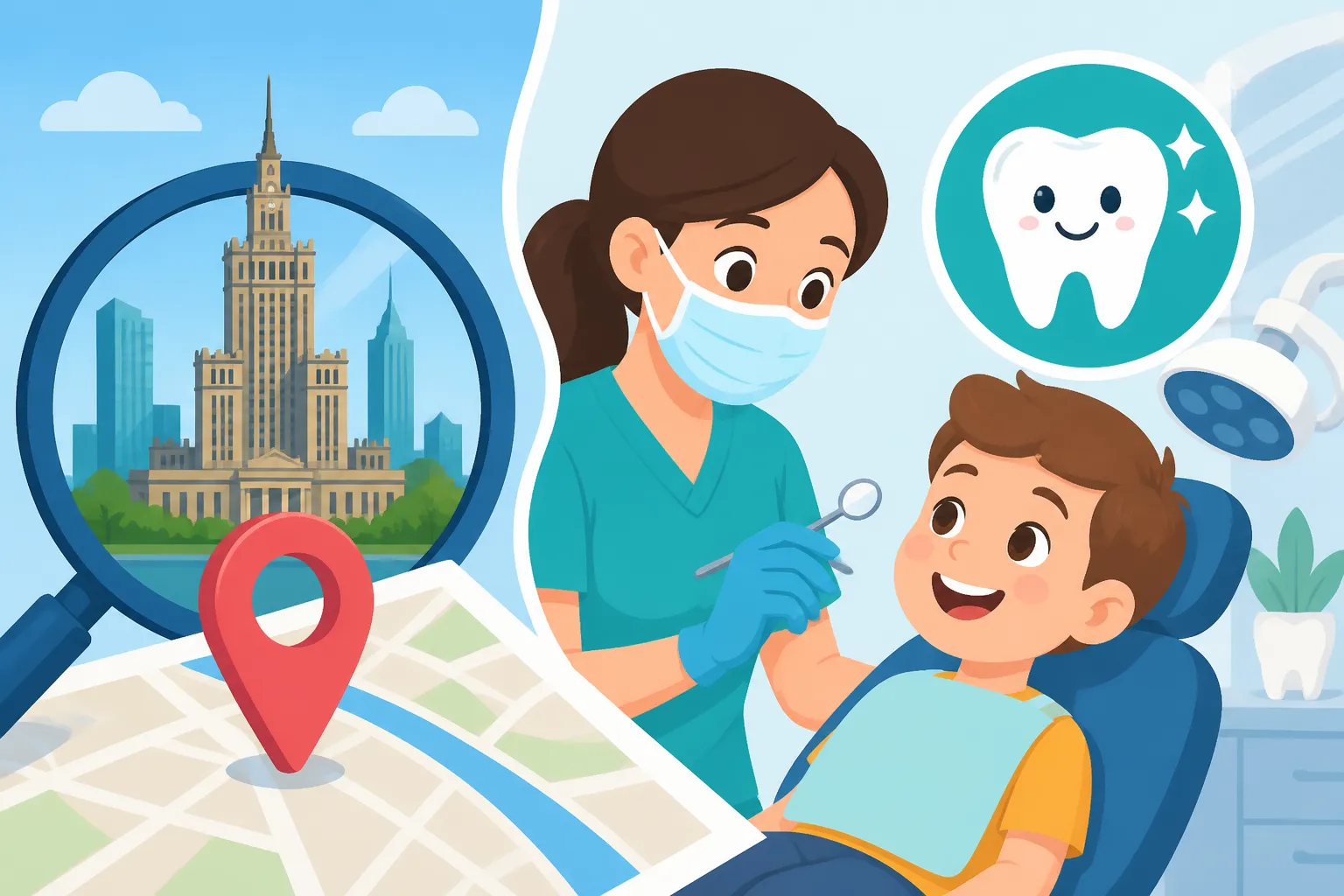
Finding a paediatric dentist in a new city can feel like a monumental task, especially when it’s for your precious little one and you’re navigating a new language and healthcare system. I know that familiar knot in the stomach – trying to figure out where to go, who to trust, and how to ensure your child gets the best care without unnecessary stress. This guide is here to walk you through the process of locating a fantastic children's dentist in Warsaw, helping you understand your options and make informed decisions for your family's oral health.
Understanding Paediatric Dental Care in Poland
When you think about taking your child to the dentist, it’s not just about tiny teeth; it’s about creating a positive experience that shapes their attitude towards oral hygiene for a lifetime. In Poland, just like anywhere else, children’s dentistry, or stomatologia dziecięca as it's known here, has its own nuances, and it's essential for expats to grasp them.
Why Paediatric Dentistry Matters for Expats
As expat parents, we often face unique challenges. We might not have the local network for word-of-mouth recommendations, and cultural differences in healthcare can be surprising. For children, a dentist isn't just someone who fixes cavities; they are a partner in teaching preventive care, monitoring developmental milestones of teeth, and creating a comfortable, non-intimidating environment. A bad experience early on can lead to lifelong dental anxiety, which is the last thing any parent wants.
In Poland, you’ll find dentists who are specifically trained to work with children. They understand child psychology, use child-friendly language, and often have colourful, playful clinics designed to put young patients at ease. These specialists are equipped to handle everything from first tooth eruptions to orthodontic assessments, focusing on prevention and early intervention. For children, the experience often begins with simply getting them comfortable in the chair, and a good paediatric dentist knows how to make that happen. This is particularly important for expat children who might also be dealing with the general stressors of adjusting to a new country, new schools, and sometimes, a new language. Having a dentist who understands how to communicate effectively, even through an interpreter if necessary, makes a huge difference.
Common Dental Issues and Preventive Care
Children, with their love for sweets and sometimes less-than-perfect brushing habits, are particularly susceptible to cavities. Beyond that, issues like thumb-sucking, bottle decay, gum disease, and early orthodontic problems are common. A good paediatric dentist in Warsaw will not only treat existing problems but also focus heavily on prevention. This means regular check-ups, professional cleanings, fluoride treatments, and dental sealants to protect vulnerable molars. They'll also provide invaluable guidance on proper brushing and flossing techniques, dietary advice, and even discuss habits like pacifier use.
Don’t underestimate the power of regular visits. Even if you think your child's teeth are perfect, early detection of potential issues can save a lot of pain and expense down the line. Polish paediatric dentists are very thorough with these preventive measures, often going beyond just checking for cavities to assess overall oral development. They're also great at spotting things like malocclusion or jaw development issues early on, which can then be addressed with orthodontists, sometimes even within the same clinic or a trusted referral network. Think of these visits as an investment in your child's long-term health, and a way to build a positive relationship with dental care from a young age.
Navigating Your Options: Public vs. Private Clinics in Warsaw
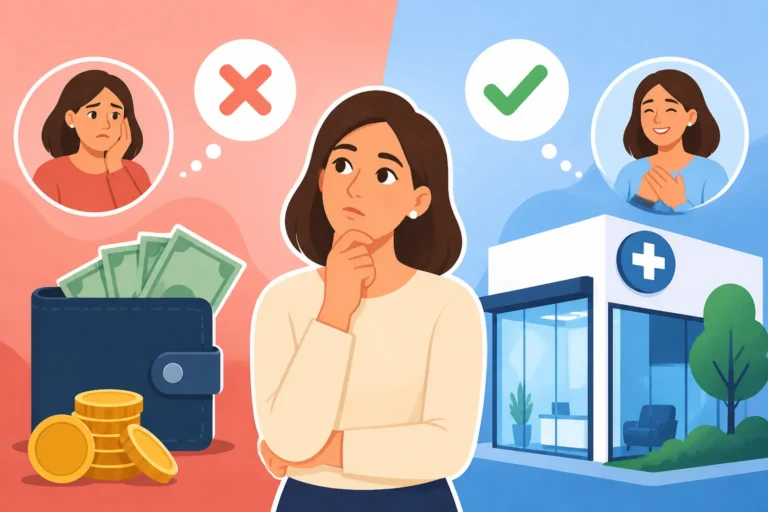
When it comes to healthcare in Poland, including dental care for children, you generally have two main routes: the public system, funded by the National Health Fund (NFZ), and private clinics. Both have their pros and cons, and understanding them is crucial to making the right choice for your family.
Public Healthcare (NFZ) for Kids' Dental Care
Poland's public healthcare system, managed by the NFZ, does offer some dental services for children. If you or your employer are making ZUS contributions, your family is generally covered. This means you can access basic dental care, often free of charge, at designated NFZ dental clinics or through przychodnie (local clinics) that have contracts with the NFZ.
However, there are some significant caveats. While children are prioritized, the range of services covered by the NFZ can be limited. For instance, basic fillings (often amalgam, though white fillings are available for front teeth) are usually covered, but more advanced or aesthetically pleasing options might not be. Orthodontic treatment is typically covered only for severe cases and for younger children, often with significant waiting lists. Finding an English-speaking dentist in an NFZ-contracted facility, especially outside of major international districts in Warsaw, can also be a challenge. Be prepared for longer waiting times for appointments compared to private clinics. While the idea of "free" healthcare is appealing, the reality for specialized paediatric dental care can involve compromises on convenience, aesthetics, and sometimes the latest treatment methods. To access NFZ services, ensure your child has their PESEL Number and Why It Matters for Healthcare. For a broader understanding of the public system, you can refer to How Poland's National Health Fund (NFZ) Works: A Full Overview.
Private Paediatric Dental Clinics in Warsaw
This is where many expat parents in Warsaw find their comfort zone for children's dental care. Private clinics offer a much wider range of services, modern equipment, shorter waiting times, and a significantly higher likelihood of finding English-speaking staff. Major private medical chains like LUX MED, Medicover, and Enel-Med, which are popular among expats, often have dedicated paediatric dentistry departments or specialists. Many independent private dental practices also specialize in children's care, creating environments that are welcoming and fun for kids.
The benefits are clear: you'll often find clinics with vibrant decor, play areas, and dentists who are expert at making children feel safe and even excited about their visit. Treatments range from advanced white fillings and digital X-rays to specialized preventive programs and in-house orthodontics. The cost, of course, is the trade-off. A single check-up or filling can range from 150 PLN to several hundred PLN, depending on the complexity and the clinic. However, many expats find this expense worthwhile for the peace of mind, quality of care, and convenience, especially when it comes to their child's health. For more on this, check out Public vs Private Healthcare in Poland: Which Should Expats Choose?.
Considering Dental Coverage with Travel or Health Insurance
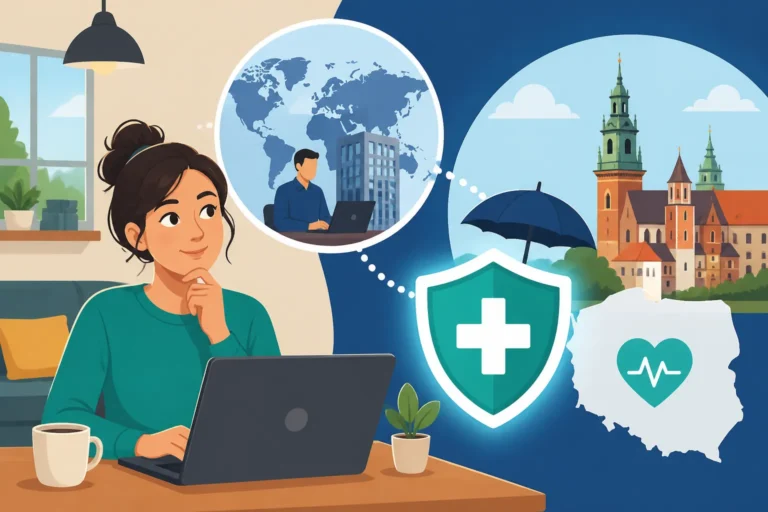
While the NFZ covers some basics and private clinics charge per visit, what about insurance? Most standard private health insurance plans in Poland, such as those offered by PZU or Allianz, will often include some level of dental coverage, particularly for children. This might involve an annual limit for treatments, or cover for specific procedures. It's crucial to check the specifics of your policy, as dental care is often an add-on or has specific exclusions.
For those just arriving, or on shorter stays, flexible travel insurance options like SafetyWing can offer peace of mind, though specific paediatric dental care might be limited to emergencies. SafetyWing, for instance, is designed with digital nomads and frequent travellers in mind, providing robust medical coverage that can sometimes be extended to dental emergencies. However, for routine check-ups and non-emergency treatments, a comprehensive local private health insurance plan or a direct subscription to a private medical network like those offered by Medicover or LUX MED (which often include dental in their higher-tier family plans) will be more suitable. It's always a good idea to clarify with your insurance provider what dental services are covered for your child, especially for non-emergency situations. Understanding Health Insurance in Poland: Mandatory, Private and Subscription Options Explained is a great starting point here.
Comparison of Paediatric Dental Care Options in Warsaw
| Feature | NFZ Public System (Stomatologia Dziecięca) | Private Clinics (e.g., LUX MED, Independent) |
|---|---|---|
| Cost | Generally free for covered services (basic fillings, check-ups) | Fee-for-service, higher cost per visit, or part of private subscription |
| Waiting Times | Can be longer for appointments and specialist referrals | Shorter, often same-day or next-day appointments |
| Range of Services | Basic care, amalgam fillings (white for front teeth), limited orthodontics | Comprehensive, aesthetic fillings, modern tech, full orthodontics, sedation options |
| Dentist Experience | Qualified, but may not specialize exclusively in children | Often highly specialized paediatric dentists, trained in child psychology |
| Language Support | Primarily Polish-speaking; English rare | High likelihood of English-speaking dentists and staff |
| Clinic Environment | Functional, less child-focused | Child-friendly decor, play areas, welcoming atmosphere |
| Appointment Booking | Phone or in-person, can be bureaucratic | Online portals, phone, often more flexible and efficient |
| Aesthetic Options | Limited | Wide range of aesthetic options, e.g., white fillings for all teeth |
Finding the Right Specialist: Practical Steps and Resources
So, you've decided on your approach – whether it's navigating the public system or going private. Now comes the exciting part: actually finding that perfect paediatric dentist who clicks with your child and puts your mind at ease.
Online Resources and Doctor Finder Platforms
The internet is your best friend when searching for any medical professional in Poland. For dentists, particularly in Warsaw, several platforms stand out:
- ZnanyLekarz.pl: This is Poland's most popular doctor-finding platform, similar to Zocdoc or Doctolib. You can filter by specialty (stomatolog dziecięcy or pedodonta for paediatric dentist), location in Warsaw (e.g., Mokotów, Ursynów, Śródmieście), and crucially, language spoken (look for "angielski" for English). You'll find profiles with photos, detailed descriptions of services, patient reviews, and often online booking availability. Pay close attention to reviews, as they often mention how good the dentist is with children and if they speak English.
- Google Maps/Google Search: Simple but effective. Search "paediatric dentist Warsaw" or "stomatolog dziecięcy Warszawa angielski." Look at the reviews, website information, and photos of the clinics. Many private clinics have professional websites with English versions.
- Private Healthcare Provider Websites: If you're considering a private subscription, check the websites of LUX MED, Medicover, or Enel-Med. They list their specialists, including paediatric dentists, and you can often see their availability and book appointments directly through their patient portals. These are great options if you're already subscribed to one of these networks for your general healthcare needs. Remember to specifically look for "paediatric dentistry" or "pedodontics" within their dental services.
When using these platforms, don't be afraid to delve into the details. Look for mentions of a child-friendly approach, specific qualifications in pedodontics, and of course, a good rapport with existing young patients. You can even check out how to set up an Internetowe Konto Pacjenta (IKP) Patient Account which is helpful for managing medical appointments in the public system, though private clinics often have their own direct booking systems.
Recommendations from Other Expats and Local Communities
Nothing beats a personal recommendation, especially when it comes to something as sensitive as your child's dentist.
- Expat Facebook Groups: Warsaw has numerous active expat groups on Facebook (e.g., "Expats in Warsaw," "Warsaw Expats & Locals"). Post a query asking for recommendations for English-speaking paediatric dentists. You'll often get a flood of helpful suggestions, personal experiences, and even warnings about places to avoid. This is an invaluable resource for hyper-local, real-world advice.
- International Schools and Kindergartens: If your child attends an international school or kindergarten, ask other parents or the school administration for recommendations. They often have lists of trusted medical professionals who cater to the international community.
- Local Forums and Blogs: Search expat blogs or local community forums. Many parents have already done the legwork and shared their experiences.
- Polish Friends/Colleagues: If you have Polish friends or colleagues, don't hesitate to ask them. Even if their recommended dentist doesn't speak fluent English, they might be incredibly good with children and worth considering with a translation app or a Polish-speaking friend accompanying you for the first visit.
When you get recommendations, cross-reference them with online reviews. A consensus of positive feedback from multiple sources is a strong indicator of a good choice. For general advice on finding doctors, our guide on The Expat Guide to Finding a Family Doctor (Lekarz Rodzinny) in Poland might also offer useful tips.
Key Questions to Ask a Paediatric Dentist
Before committing to a dentist, especially if it's a private clinic, it's perfectly fine to call and ask a few questions. This helps ensure they're the right fit for your child and your family.
Here are some questions you might consider:
- Do you specialize in paediatric dentistry (pedodontics)? (Some general dentists treat children, but a specialist often has more experience and a better approach.)
- Do you or your staff speak English? (If not, are you comfortable bringing an interpreter or using a translation app?)
- What is your approach to nervous or anxious children? (Look for methods like "tell-show-do," distraction techniques, or even sedation options if necessary.)
- What preventive services do you offer for children? (Fluoride, sealants, hygiene instruction.)
- What are your emergency procedures? (What do we do if my child has a dental emergency outside of office hours?)
- What is your fee structure for typical children's services? (Check-ups, fillings, extractions – get a general idea.)
- Do you accept our private health insurance, or can we claim reimbursement? (If you have a plan like SafetyWing or a local private insurer.)
- Can we visit the clinic first without an appointment, just to see the environment? (Many child-friendly clinics welcome this to help kids get comfortable.)
Asking these questions helps you gauge the clinic's philosophy, practicalities, and whether it aligns with your family’s needs. A good clinic will be happy to answer your queries patiently. This initial contact is also a good opportunity to observe the general atmosphere of the clinic – is it welcoming? Does it seem clean and well-organized? Remember, this is a long-term relationship for your child's health, so taking the time to choose wisely is crucial. If you're concerned about costs, our article on The Cost of Healthcare in Poland: A Complete Breakdown for Foreigners (2026) provides more general financial context.
Preparing for Your Child's First Visit and Beyond
You've done the research, found a potential dentist, and booked an appointment. Fantastic! Now, let's talk about making that first visit a positive one and how to maintain great oral hygiene afterward.
Making the Visit Stress-Free for Your Child
The key to a successful paediatric dental visit is preparation and a positive attitude from you, the parent. Children pick up on our anxieties, so try to remain calm and reassuring.
- Talk About It Positively: Frame the visit as an exciting adventure. "We're going to visit the tooth fairy's friend who counts your teeth!" or "We're going to a special place where they make your smile super shiny!" Avoid using words like "pain," "needle," "drill," or "hurt."
- Read Books or Watch Videos: Many children's books feature dental visits. Find some that show friendly dentists and positive experiences. There are also animated videos online designed to prepare children for dental check-ups.
- Role Play: At home, pretend to be the dentist and have your child be the patient (and vice-versa). Count their teeth, use a toothbrush to "clean," and make it fun.
- Choose the Right Time: Schedule the appointment when your child is well-rested and not hungry. Mid-morning, after breakfast and before nap time, often works well for younger children.
- Bring a Comfort Item: A favourite stuffed animal or blanket can provide much-needed comfort and security during the visit.
- Stay Calm and Supportive: If your child becomes anxious during the appointment, maintain a calm voice, offer reassurance, and let the dentist work their magic. Paediatric dentists are experts at handling nervous children.
Remember, the goal is to make dental visits a normal, even pleasant, part of life, not something to be feared. The team at your chosen paediatric dental clinic will likely have their own tricks too, from toys and cartoons to gentle language. Our guide on Navigating the Polish Healthcare System: An Expat's Roadmap (2027) has broader tips that apply to all medical appointments.
Follow-Up Care and Maintaining Oral Hygiene
The dental visit is just one piece of the puzzle. What happens at home between appointments is equally, if not more, important.
- Consistent Brushing and Flossing: Establish a routine of brushing twice a day with fluoride toothpaste and flossing once a day (you'll likely need to help young children with flossing). Make it a fun habit, not a chore. Using a timer or a favourite song can help.
- Healthy Diet: Limit sugary snacks and drinks. Encourage water, fruits, and vegetables.
- Regular Check-ups: Stick to the dentist's recommended schedule for follow-up visits, usually every six months. This allows for early detection and prevention of problems.
- Lead by Example: Let your child see you brushing and flossing. Children are great imitators, and seeing you prioritize your oral health will encourage them to do the same.
- Address Concerns Promptly: If your child complains of tooth pain, or you notice anything unusual (discoloration, swollen gums), don't wait for the next scheduled appointment. Contact your paediatric dentist immediately. Many expat health insurance plans, including potentially SafetyWing for emergencies, emphasize early intervention.
A good paediatric dentist will provide you with specific instructions and recommendations tailored to your child's needs. Don't hesitate to ask questions about diet, brushing techniques, or any other concerns you might have during the appointment. Taking an active role in your child's oral health now will prevent many headaches (and toothaches!) in the future. For more on managing prescriptions, our guide Prescription Medications and Pharmacies in Poland: The Complete Guide might be useful if any dental medication is needed.
Finding a paediatric dentist in Warsaw for your child might seem daunting at first, but with the right information and a proactive approach, you'll soon have a trusted partner in their oral health journey. Whether you choose the public route or a private clinic, Warsaw offers excellent options.
Disclaimer
Please note that while I strive to provide accurate and up-to-date information, the landscape of regulations and services in Poland can change. This guide is for informational purposes only and should not be considered legal, medical, or financial advice. Always consult with relevant professionals or official sources for specific guidance regarding your individual situation.