Can I Sponsor My Same-Sex Partner for Residence in Poland?
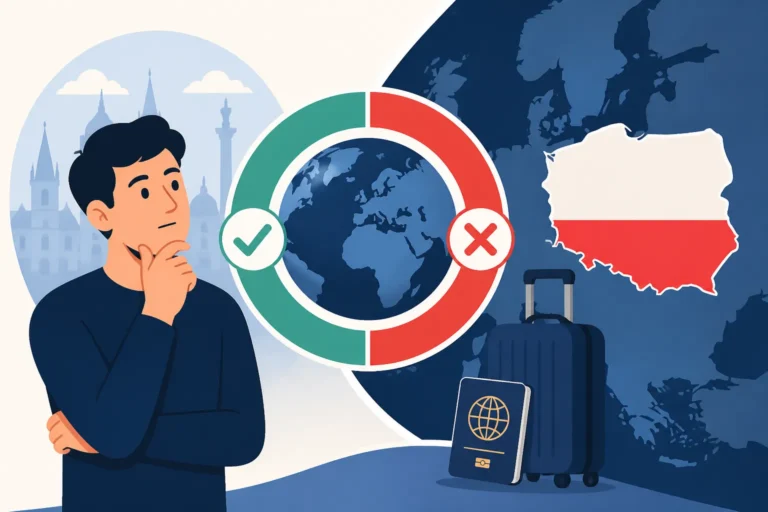
Navigating the labyrinthine world of Polish immigration can be daunting for any foreigner, but when you're a same-sex couple, the bureaucratic hurdles become even more complex and, frankly, heart-wrenching. The immediate and painful reality for many is that Poland’s current legal framework simply doesn't recognize same-sex partnerships, directly impacting your ability to sponsor your partner for residence. This guide will candidly address the existing challenges and outline the realistic pathways available for same-sex partners seeking to live together in Poland.
The Current Legal Landscape: A Harsh Reality for Same-Sex Couples in Poland
Let's not mince words: Poland’s stance on same-sex relationships significantly complicates immigration for couples in this situation. It's a fundamental difference from many Western European countries, and it’s crucial to understand this from the outset to manage expectations and plan effectively.
Non-Recognition of Same-Sex Marriages and Partnerships
Unlike many of its EU counterparts, Poland does not legally recognize same-sex marriage or civil partnerships. This isn't just a social or cultural stance; it's enshrined in the country's constitution and legal codes, which define marriage exclusively as a union between a man and a woman. This legal void means that, for administrative and immigration purposes, a same-sex partner is not considered a "spouse" or a "registered partner" in the eyes of Polish law.
This lack of recognition has profound implications. For example, if you are married to your same-sex partner in your home country or another country that permits it, that marriage holds no legal weight when it comes to Polish immigration. You cannot simply present your marriage certificate and expect it to grant your partner family reunification rights. This reality often comes as a shock and a deep disappointment to couples who have built their lives together and are legally recognized as partners elsewhere. The emotional toll of having your relationship disregarded by a state system is immense, and it’s a frustration many expats in this situation feel acutely.
Implications for Family Reunification Visas and Residence Permits
Because same-sex partnerships are not recognized, the standard family reunification routes available to heterosexual married couples are simply not an option. When people talk about sponsoring a spouse or partner for a How to Get a Temporary Residence Permit (Karta Pobytu) in Poland (2027) or a visa, they are referring to specific legal categories that do not extend to same-sex relationships in Poland. The Polish immigration authorities (Urząd Wojewódzki) operate strictly within the confines of current Polish law, which means a same-sex partner does not qualify as a "family member" for the purpose of obtaining a dependent visa or residence permit.
This means you cannot apply for a [Temporary Residence in Poland] for your partner based on your relationship as a couple, even if you can provide extensive evidence of your shared life, finances, and commitment. While heterosexual de facto or common-law partners might also face challenges proving their relationship for immigration purposes if they are not married, their path, however difficult, still falls within a broader, albeit often undefined, interpretation of "family." For same-sex partners, that door is currently closed. This creates a significant administrative and emotional burden, requiring couples to explore entirely different strategies for living together in Poland.
Navigating Individual Residence Paths: The Primary Workaround
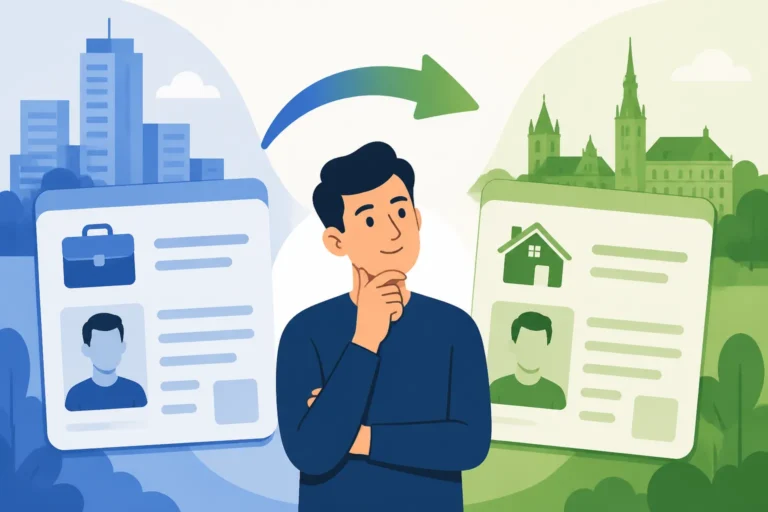
Given the lack of direct sponsorship options, the most viable and common path for same-sex partners to reside together in Poland is for each individual to secure their own independent legal basis for residence. This means each person must qualify for a visa or residence permit through their own merits, rather than as a dependent of their partner.
Residence Based on Work, Study, or Business Activity
The overwhelming majority of same-sex partners who successfully live together in Poland do so by each pursuing their own immigration route. This often involves one of the following:
- Work Visas and Permits: If one or both partners secure a job offer from a Polish employer, they can apply for a work permit and a national (Type D) visa, which can then lead to a temporary residence permit based on employment. This is perhaps the most straightforward individual route, as the employer sponsors the work permit, and the income provides a clear basis for self-sufficiency. You can delve deeper into this in The Expat Guide to Polish Work Visas and Permits (2027) or specifically on How to Get a Work Permit (Zezwolenie na Pracę) in Poland. Many expats find their way to Poland through this route, especially in cities like Warsaw, Krakow, and Wroclaw, which have robust job markets in IT, finance, and shared services. It's a competitive route, but it's a solid one if you have in-demand skills.
- Study Visas: For those looking to further their education, enrolling in a Polish university or educational institution can provide a basis for a student visa and subsequent temporary residence. You'll need proof of acceptance, sufficient funds to cover tuition and living expenses, and health insurance. Universities in Poland, particularly those with English-language programs, attract international students, offering a pathway for individuals. More information can be found in The Complete Guide to Studying at a Polish University (2027).
- Business Activity (JDG/Sole Proprietorship): If one or both partners have an entrepreneurial spirit or work as freelancers, setting up a sole proprietorship (Self-Employment in Poland: The JDG (Sole Proprietorship) Guide for Foreigners) can be a valid route to obtaining a residence permit. This requires presenting a viable business plan, demonstrating sufficient capital to run the business, and showing potential for generating income in Poland. This route can be more complex and demanding in terms of documentation and financial proof but offers flexibility for those who are self-employed.
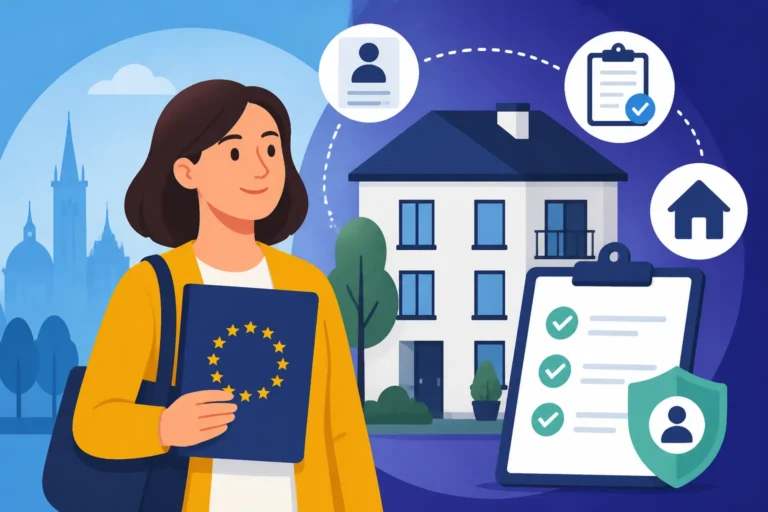
It’s crucial that each partner independently meets all the requirements for their chosen path. This includes securing their own valid What Health Insurance Do I Need for a Polish Residence Permit?, which is mandatory for any residence application. Companies like Cigna Global offer excellent international health insurance options that are suitable for expats, providing comprehensive coverage regardless of your marital status or the legal recognition of your relationship in Poland. Having a robust health insurance plan in place is not just a legal requirement but a practical necessity for peace of mind while living abroad.
Proving Financial Self-Sufficiency and Accommodation
Regardless of the individual path chosen, both partners will need to demonstrate their own ability to support themselves financially without becoming a burden on the Polish state. This means providing individual proof of funds, such as bank statements showing consistent income, employment contracts, or evidence of significant savings. The How Much Income Is Required for a Polish Residence Permit? is a key consideration here. For example, if both partners are working, their individual salaries will contribute to this proof. If one partner is studying, they'll need to show sufficient funds for their entire study period.
For accommodation, while you can certainly live together, each partner will need to ensure they have a valid basis for residence that is recognized by the authorities. When applying for a residence permit, you'll need to show proof of a place to live, whether it's a rental agreement in one or both names, or a formal declaration from the property owner. Even if you share an apartment, the immigration office will primarily be concerned that each applicant has a legal right to reside there. Information on How Do I Prove Accommodation for a Polish Residence Permit? is highly relevant here, ensuring your housing situation is properly documented for each application. It’s a bit of a bureaucratic dance, ensuring all individual ducks are in a row, even when you’re building a shared life.
Practical Strategies and Seeking Support
While the legal framework presents significant challenges, there are practical steps you can take to make the process smoother and to find support. It’s not just about the paperwork; it’s about enduring the process with resilience.
Documentation and Presenting Your Case
Even though your same-sex partnership isn't recognized for direct sponsorship, it doesn't mean your relationship has no value in supporting your general settlement in Poland. While it won't magically unlock family reunification visas, meticulously documenting your relationship can still be beneficial in certain auxiliary administrative processes or simply for your own peace of mind.
Gathering extensive evidence of your shared life, such as joint bank accounts (if opened in countries where legally possible), shared utility bills, travel itineraries, photographs, and testimonials from friends and family, can be important for proving your commitment to each other if ever questioned in a non-immigration context. When preparing your individual applications, focus on making each one as strong as possible, ensuring all required documents are translated by a sworn translator and, if necessary, apostilled or legalized. Every piece of paperwork needs to be perfect to avoid unnecessary delays, as detailed in How to Prepare Documents for a Karta Pobytu Application. Treat each application as a standalone case, but keep your shared goals in mind.
Legal Counsel and Advocacy
Given the complexities, consulting with an immigration lawyer in Poland is not just advisable; it's often essential. Seek out lawyers or legal firms that are known for their experience with expat immigration and, ideally, those who have a track record of assisting LGBTQ+ individuals or couples, even if it's primarily through individual residence pathways. They can provide invaluable guidance on the best individual permit strategies, help you prepare flawless applications, and navigate any specific challenges that arise. While they cannot change the law, they can certainly help you work within its current confines.
Beyond legal help, connecting with expat support groups and LGBTQ+ organizations in Poland can provide a vital network of information, emotional support, and shared experiences. These communities can offer advice, connect you with English-speaking professionals, and simply provide a space where your relationship is acknowledged and validated. Organisations like Lambda Warszawa, although primarily focused on advocacy, can sometimes point you towards resources or support networks. When considering the logistical aspects of moving, services like Sirelo can be incredibly helpful for planning your relocation, offering advice on everything from finding movers to setting up your new home, reducing some of the stress that comes with an international move.
Understanding the Challenges and Emotional Toll
It's important to acknowledge that navigating immigration as a same-sex couple in Poland can be emotionally taxing. The constant validation of your individual status, coupled with the systemic non-recognition of your partnership, can be deeply frustrating and, at times, demoralizing. You might face bureaucratic hurdles that seem illogical or unfair, and the process can be lengthy. Expect potential delays at the Urząd Wojewódzki, and be prepared for a long waiting period for your How Long Does It Take to Get a Karta Pobytu in Poland?.
Managing your expectations and fostering open communication within your relationship are key. Lean on each other for support, celebrate small victories, and remember why you’re undertaking this journey together. It’s a testament to your commitment. Being prepared for a potentially arduous process—both administratively and emotionally—will help you both stay resilient. Seeking mental health support or joining expat communities can also provide outlets for these frustrations and help you build a supportive environment for yourselves in Poland. Don't underestimate the power of finding your tribe and having a solid network around you.
Summary of Residence Pathways for Same-Sex Partners in Poland
| Feature | Direct Sponsorship (Not Applicable) | Individual Application (Primary Route) |
|---|---|---|
| Legal Basis | Not recognized under Polish law | Each partner must qualify independently |
| Relationship Proof | Not accepted for family reunification | May be useful for general context, but not for permit |
| Common Pathways | N/A | Work visa/permit, study visa, business (JDG) |
| Financial Proof | N/A | Each partner must show individual self-sufficiency |
| Accommodation | N/A | Each partner must prove legal right to reside |
| Health Insurance | N/A | Mandatory for each individual applicant (e.g., Cigna Global) |
| Key Documents | N/A | Job offer, university acceptance, business plan, proof of funds, How to Prepare Documents for a Karta Pobytu Application |
| Support Needed | N/A | Immigration lawyer, expat community, emotional support |
| Processing Time | N/A | Can be lengthy and complex for each individual application |
Navigating life in Poland as an expat requires understanding its unique administrative processes, and when it comes to same-sex partnerships, it means approaching immigration with a clear understanding of the current legal limitations. While the direct path of partner sponsorship is unfortunately closed, numerous individual routes can allow you and your partner to build a life together in this country. Focus on strengthening each of your individual applications, prepare meticulously, and remember that seeking professional legal and community support can make all the difference in this journey. For broader relocation advice, don't forget to check out The Complete Guide to Moving to Poland: Your First 90 Days (2027), which covers many initial steps that both partners will need to undertake. Remember, you're not alone in facing these challenges.
Disclaimer
The information provided in this guide is for general informational purposes only and does not constitute legal or immigration advice. Polish immigration laws and policies can change. It is essential to consult with a qualified immigration lawyer or relevant Polish authorities for advice specific to your situation.