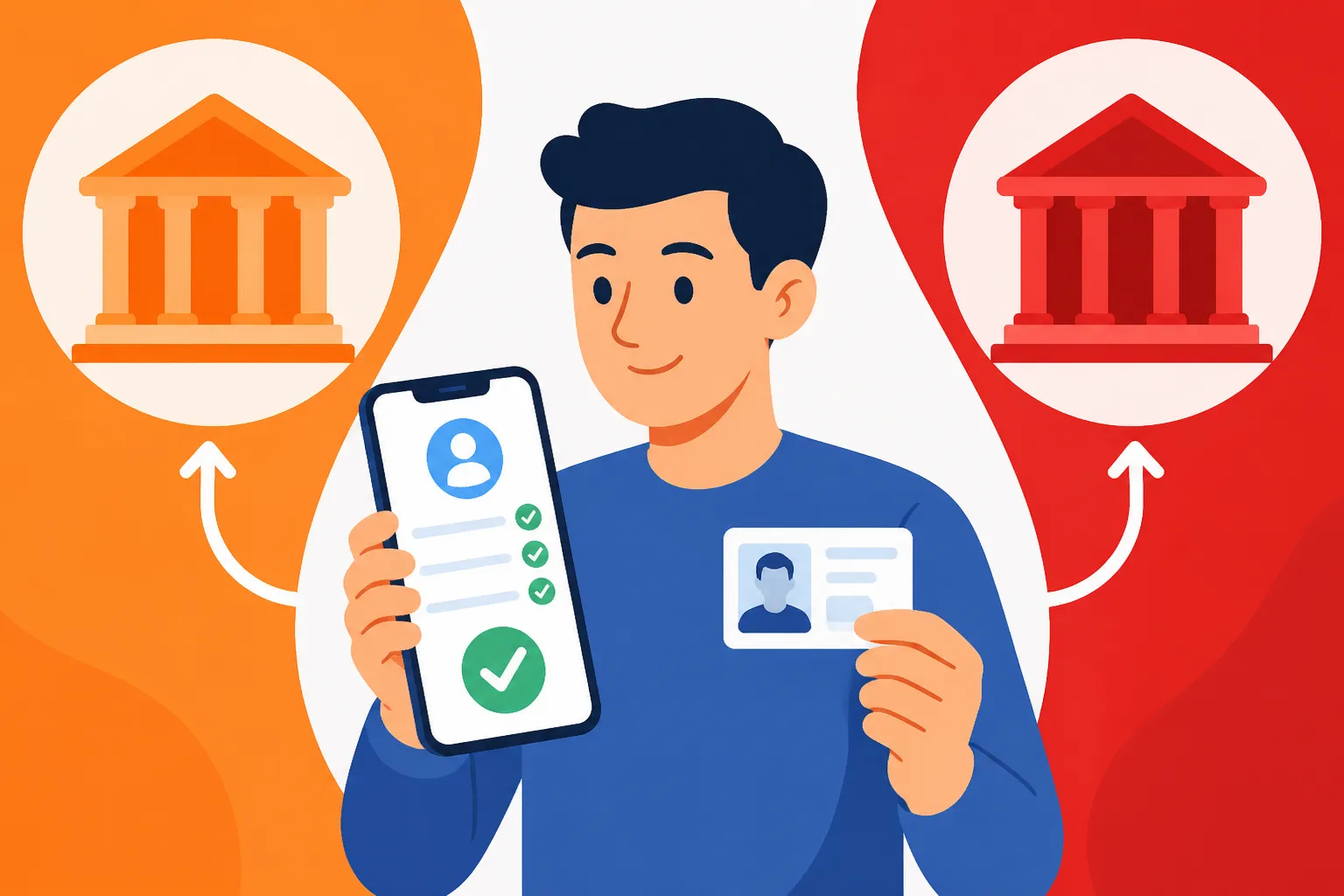
How Do I Open an Account at ING or Pekao in Poland?
Alright, let's talk about banking in Poland. I remember how overwhelming it felt when I first landed here, trying to figure out everything from getting a PESEL to setting up a bank account. It's a fundamental step for settling in, but navigating the options and requirements can be a real headache. This guide is going to walk you through the process of opening an account with two of Poland's most popular banks, ING Bank Śląski and Bank Pekao S.A., giving you the real-world lowdown on what to expect.
Why ING Bank Śląski or Bank Pekao S.A. for Expats?
Choosing a bank in a new country isn't just about finding one with a fancy app; it's about accessibility, reliability, and most importantly, how expat-friendly they actually are. ING and Pekao often come up as top contenders for foreigners in Poland, each with their own distinct flavour and advantages. Let's delve into what makes them stand out and why you might lean one way or the other.
ING Bank Śląski: The Modern, Tech-Savvy Choice
ING Bank Śląski, often just referred to as ING, is part of the Dutch ING Group, and it's generally perceived as a more modern, digitally-focused bank in Poland. For expats who are used to streamlined online services and intuitive mobile banking, ING often feels like a natural fit. Their commitment to digital services means that much of your banking can be done from the comfort of your home, which is a huge plus when you're still getting to grips with a new city and a new language.
Their mobile app and online banking platform are highly rated, offering features like BLIK payments (a fantastic Polish mobile payment system), easy international transfers (though it's always worth comparing rates with services like Wise for larger sums), and clear categorisation of expenses. Many expats appreciate that ING tends to have English-speaking customer service representatives readily available, making it less daunting to resolve issues or ask questions without resorting to Google Translate or a Polish-speaking friend. They’ve really made an effort to cater to an international clientele, which is a breath of fresh air compared to some of the more traditional institutions. If you're someone who prefers minimal branch visits and maximum online convenience, ING could be your ideal banking partner.
Bank Pekao S.A.: The Established, Widespread Network
Bank Pekao S.A., with its iconic bison logo, is one of Poland's oldest and largest banks. It has a deeply established presence across the country, meaning you'll find their branches and ATMs everywhere, from bustling city centres to smaller towns. This widespread physical network can be a significant advantage, especially if you prefer face-to-face interactions or if you live in an area where digital-only banking might feel a bit too remote. Pekao’s long history also means it’s a trusted name, which can offer a sense of security when you're entrusting your finances to a new institution.
While perhaps not as overtly "tech-forward" as ING in its marketing, Pekao has made significant strides in its digital offerings. Their PeoPay mobile app is quite comprehensive, allowing you to manage accounts, make transfers, and use BLIK. For expats, Pekao often offers dedicated English-speaking consultants in larger city branches, recognizing the need to support their international customers. Their extensive ATM network, including those that allow for cash deposits, is also a practical benefit. If you value a bank with a strong physical presence, a long-standing reputation, and a robust, if slightly more traditional, approach to banking, Pekao is definitely worth considering.
The Nitty-Gritty: Opening Your Account
Now, let's get down to the brass tacks: what you actually need to do to open a bank account. This is where the Polish bureaucracy can sometimes feel like a rite of passage, but don't worry, we'll break it down. Whether you choose ING or Pekao, the core requirements will be largely similar, with minor variations in the process.
Essential Documents You’ll Need
The golden rule of Polish administration is always to bring more documents than you think you’ll need. It’s better to have them and not use them than to be sent home for one missing piece of paper!
- Passport or National ID Card: This is your primary form of identification. Make sure it's valid and not set to expire anytime soon.
- PESEL Number: This is absolutely crucial. Think of your PESEL as your universal identifier in Poland, like a social security number. While some banks might occasionally open a limited account without it, especially for EU citizens, having your PESEL will make the process infinitely smoother and grant you access to a full range of services. If you haven't got one yet, you seriously need to prioritize getting it. Our guide on How to Get Your PESEL Number and Why It Matters for Healthcare can help you get started.
- Karta Pobytu (Temporary Residence Card) or Visa: For non-EU citizens, your residence permit or long-stay visa is essential proof of your legal stay in Poland. EU citizens will typically use their national ID or passport. For those navigating the complexities of residence, our resource, The Complete Guide to Polish Residence Permits for Expats (2027), covers this in detail.
- Proof of Address (Potwierdzenie Zameldowania or Umowa Najmu): This is often a sticking point. Banks want to verify where you live.
- Zameldowanie: The official residence registration is the strongest proof. However, getting your Zameldowanie (which you can learn more about in our guide on Registering Your Residence Zameldowanie in Poland The Complete Guide) can take a while after you move.
- Rental Contract (Umowa Najmu): A signed rental agreement is usually acceptable. Ensure it clearly states your full name and address. Even better if it's stamped by the landlord. If you're still looking for a place, understanding How to Sign a Rental Contract Umowa Najmu in Poland is vital.
- Utility Bill: A utility bill in your name for your current address can sometimes work, but less commonly as initial proof for opening an account.
- Employment Contract or Proof of Income: While not always mandatory for a basic account, some banks might ask for this, especially if you're applying for credit cards or loans. It helps them understand your financial standing.
- NIP Number (Tax Identification Number): Less common for individuals, but if you're self-employed (a JDG owner) or have specific tax obligations, you might need this. For most employees, your PESEL is sufficient for tax purposes. If you're interested in the self-employment route, check out How to Register a JDG Jednoosobowa Działalność Gospodarcza in Poland.
The Account Opening Process: Online vs. In-Branch
Both ING and Pekao offer a few ways to open an account, but for an expat, particularly a new arrival, an in-branch visit is often the most reliable and recommended method.
In-Branch Application: The Personal Touch
- Find a Branch: Use the bank's website to locate a branch that offers English-speaking service, particularly in larger cities like Warsaw, Krakow, or Wroclaw. ING and Pekao websites usually have a branch locator.
- Book an Appointment (Recommended): To avoid long waits and ensure an English-speaking advisor is available, try to book an appointment in advance. Some banks allow this online, or you can call their helpline.
- Gather Your Documents: As listed above, bring everything. Original documents are key.
- The Interview: An advisor will walk you through the account options, explain fees, and help you fill out the paperwork. This is your chance to ask all your questions – don't be shy!
- Sign and Confirm: Review all documents carefully before signing. You'll typically get your account number immediately.
- Debit Card & Online Access: Your debit card might be issued on the spot, or it will be mailed to your registered address within a few business days. You'll also get details on how to activate your online banking and mobile app. You can usually How to Set Up Online Banking and BLIK Payments in Poland soon after.
Online Application: For the Tech-Savvy (and Document-Ready)
Some banks, like ING, offer online account opening, sometimes even allowing video verification. This is generally more straightforward for Polish citizens or those with a complete set of Polish documents (PESEL, Polish ID, etc.) already. For expats, especially new ones, this can be more challenging if your documents aren't fully integrated into the Polish system or if there are any discrepancies. If you attempt this route:
- You'll typically fill out an online form.
- Verify your identity via a video call with a bank consultant or through a small transfer from another Polish bank account (which you likely don't have yet).
- Your debit card and activation details will be mailed to you.
My advice? Start with an in-branch visit. It clears up so many potential issues and ensures everything is set up correctly from day one.
Initial Deposit and Account Activation
Once your account is open, you’ll usually need to make an initial deposit to activate it. This amount is typically minimal, often just 1 PLN or a similar small sum. You can do this via an ATM (many in Poland allow cash deposits), a bank transfer from another account (perhaps via Wise if you’re transferring from an international account), or directly at the bank teller.
Managing Your Account: Day-to-Day Banking in Poland
Once your account is set up, the real fun begins: actually using it! Both ING and Pekao offer excellent tools to manage your finances.
Online Banking and Mobile Apps
Both ING's and Pekao's mobile banking apps are robust and offer most functionalities you'd expect:
- Checking balances and transaction history: Usually categorised for easy tracking.
- Making transfers: Local transfers are instant (or near-instant, depending on the recipient bank).
- Paying bills: You can often set up direct debits or one-off payments for utilities.
- BLIK: This is a fantastic Polish payment system. You generate a six-digit code in your banking app, enter it at an online store, ATM, or POS terminal, and confirm the transaction in your app. It's incredibly convenient and secure.
- International Transfers: Both banks allow international transfers, but it's crucial to compare their exchange rates and fees with dedicated services like Wise, especially for larger amounts. Often, traditional banks have less favourable exchange rates hidden in their fees. If you plan on sending money home regularly, looking into How to Transfer Money Internationally from a Polish Account will be very helpful.
ING's app, "Moje ING," is often praised for its sleek interface and user experience, while Pekao's "PeoPay" is equally functional and has a loyal user base. Both are available in English.
Fees and Charges
This is an area where banks can differ, so always read the fee schedule carefully.
- Account Maintenance Fees: Many Polish banks offer "free" accounts, but this often comes with conditions, like making a certain number of card transactions per month, or ensuring a minimum monthly deposit. If you don't meet these conditions, a small monthly fee (e.g., 5-10 PLN) might apply.
- Debit Card Fees: Similar to account fees, your debit card might have a monthly fee that's waived if you meet certain usage criteria.
- ATM Withdrawal Fees: While both ING and Pekao have their own networks of ATMs (and often partnerships), withdrawing from an ATM outside their network or partnership might incur a small fee. This is less common in Poland than in some other countries, but always something to be aware of.
- International Transfer Fees: As mentioned, these can vary significantly. Be mindful of both the stated fee and the exchange rate margin.
- Currency Conversion Fees: If you use your Polish debit card abroad, or for online purchases in a foreign currency, there will be conversion fees.
Customer Service and Language Support
Both banks understand the need to support their international clientele.
- English Hotlines: Most major banks in Poland, including ING and Pekao, offer English-speaking helplines. The wait times can vary, but it's a vital resource.
- In-Branch English Speakers: In larger branches in major cities, you'll likely find advisors who can assist you in English. However, this isn't guaranteed in smaller branches, so it's always good to check ahead.
- Online Chat: Many banks also offer online chat support, which can be useful for quick queries.
Common Hurdles and How to Overcome Them
Despite the best intentions, you might still encounter a few bumps in the road. It's Poland, after all, and bureaucracy has its own unique charm here.
The PESEL Predicament
As I mentioned, the PESEL number is king. Many expats arrive in Poland and need a bank account right away, but haven't yet received their PESEL. This creates a frustrating chicken-and-egg situation.
How to Overcome It:
- Prioritize PESEL: If you have an employment contract or a rental agreement, get your PESEL application in immediately. For employees, your employer usually handles the Zameldowanie and PESEL. For others, you apply at the local Urząd Gminy or Urząd Dzielnicy.
- Temporary Solutions: Some banks might open a very basic account for EU citizens with just their ID, or for non-EU citizens with a Karta Pobytu, promising to add the PESEL later. However, these accounts often have limitations. They might not offer full online banking features, or you might struggle to get certain services. This isn't universally guaranteed, so manage your expectations.
- Consider Borderless Accounts: While waiting, services like Wise offer multi-currency accounts that include a PLN account number. While not a full Polish bank account, it can serve as an interim solution for receiving local transfers and making payments.
Language Barriers
Even with English-speaking staff, you might find yourself in a situation where a specific document is only in Polish, or a smaller branch doesn't have an English speaker.
How to Overcome It:
- Translation Apps: Have Google Translate or a similar app ready on your phone.
- Polish-Speaking Friend: If possible, bring a Polish-speaking friend or colleague with you for your initial branch visit. Their presence can make a huge difference.
- Focus on Key Phrases: Learn basic banking terms in Polish. Even a few words can go a long way in showing effort and making interactions smoother.
Proof of Address Challenges
Not everyone has a Zameldowanie or a perfect Umowa Najmu right away.
How to Overcome It:
- Official Rental Contract: Ensure your rental agreement is properly drawn up and ideally includes the landlord's signature and ideally their PESEL or NIP.
- Employer Letter: Sometimes, a letter from your employer confirming your residential address (if they've provided accommodation or are aware of your address) can help, but it's not a standard requirement.
- Patience: If you're struggling, getting your Zameldowanie should be your priority, as it's the most robust proof of address.
Understanding the Polish Tax System
Once your bank account is open and you're earning money, you'll need to understand Poland's tax system. Your bank statements and transaction history will be crucial for filing your annual tax returns. This is where resources like Taxes for Expats become invaluable, offering guidance on everything from income tax brackets to reporting foreign income. Keeping good records of your banking activities will simplify your life significantly when tax season rolls around. Understanding How Much Income Tax Will I Pay in Poland in 2026? will also help you manage your finances more effectively from your new Polish bank account.
Comparison Snapshot: ING vs. Pekao for Expats
To give you a quick overview, here's a table comparing some key aspects of ING Bank Śląski and Bank Pekao S.A. from an expat perspective.
| Feature | ING Bank Śląski | Bank Pekao S.A. |
|---|---|---|
| Digital Experience | Highly rated, modern app, intuitive online banking | Robust app (PeoPay), comprehensive online banking |
| English Support | Strong presence, often dedicated English helplines/staff | Available, especially in larger city branches and helplines |
| Branch Network | Good, but smaller than Pekao's | Very extensive across Poland, strong physical presence |
| ATM Network | Own network + Euronet access | Own extensive network + some partnerships |
| Document Flexibility | Can be stricter without PESEL/Karta Pobytu | Potentially slightly more flexible in some cases, but PESEL/Karta Pobytu preferred |
| International Transfers | Standard bank rates and fees; compare with Wise | Standard bank rates and fees; compare with Wise |
| Reputation for Expats | Often recommended for modern, digital banking | Trusted, long-standing, good for those preferring physical branches |
Final Thoughts on Banking in Poland
Opening a bank account in Poland, whether with ING or Pekao, is a cornerstone of settling into your new life. While the initial steps might involve a bit of paperwork and navigating unfamiliar processes, both banks offer solid services that cater to expats.
Remember, the key is preparation. Gather your documents, especially your PESEL and Karta Pobytu. Don't be afraid to ask questions, even if it means relying on translation apps or a helpful friend. Once you're set up, you'll find that Polish banking is efficient and modern, with great tools like BLIK making everyday transactions a breeze. Choosing between ING's digital-first approach and Pekao's extensive network often comes down to your personal preferences and where you prioritise convenience. Whichever you choose, you'll be one step closer to feeling truly at home in Poland.
Disclaimer
The information provided in this guide is for general informational purposes only and does not constitute financial, legal, or professional advice. While we strive to keep the information up-to-date and accurate, banking regulations and individual bank policies can change. Always consult directly with the bank or a qualified financial advisor for advice tailored to your specific situation. We cannot be held responsible for any inaccuracies or outdated information.